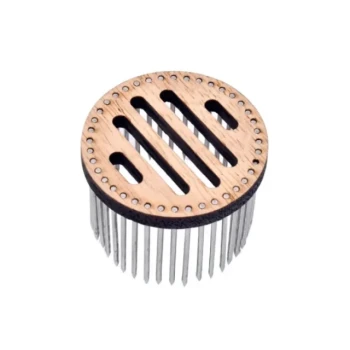
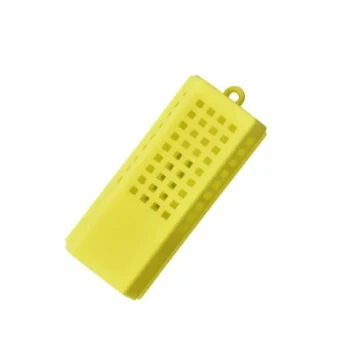
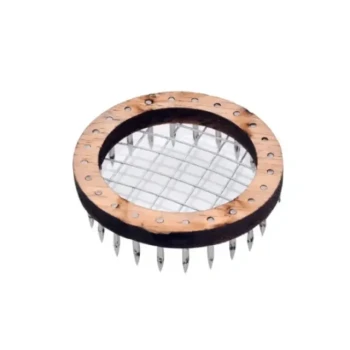
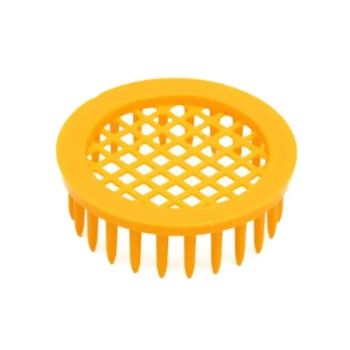
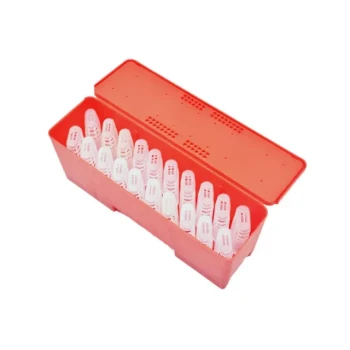
The fundamental difference lies in the mechanism of acceptance. Standard cage insertion relies on gradual pheromone acclimation while the queen remains suspended between frames, whereas the introduction cage method isolates the queen directly on top of the comb over emerging brood. This creates an immediate retinue of young, loyal bees who have never known another queen, effectively bypassing the aggression often found in older workers.
The standard cage acts as a passive waiting room for pheromone distribution, while the introduction cage actively builds a "colony within a colony," granting the queen immediate access to the comb and a dedicated workforce of newly hatched bees.
The Mechanics of the Introduction Cage
Isolation on the Comb
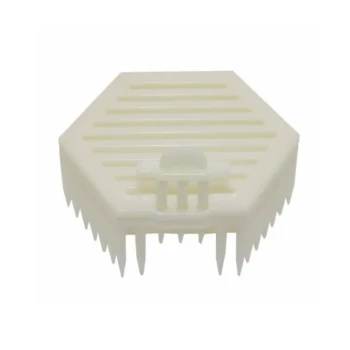
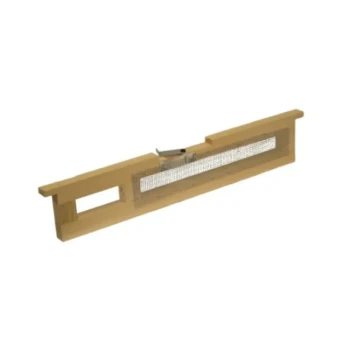
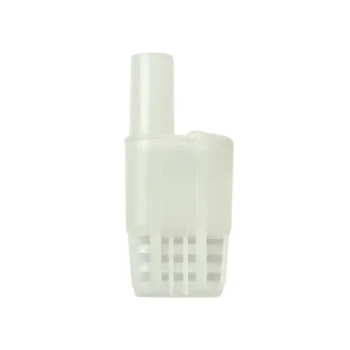
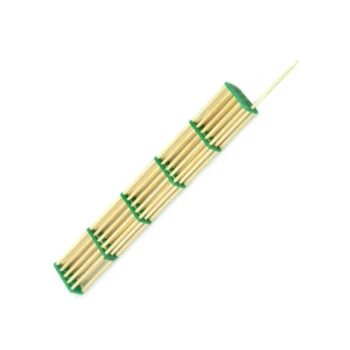
Unlike standard insertion, which uses the shipping box hung between frames, this method utilizes a specialized cage pressed into the wax.
You place this cage directly over a specific area of sealed brood that is on the verge of emerging.
The "Blank Slate" Strategy
The key to this method is the age of the bees inside the enclosure.
As the sealed brood hatches inside the cage, the very first bee they encounter is the new queen.
Immediate Loyalty
Because these young bees have never been exposed to the previous colony matriarch, they have no conflicting loyalties.
They accept the new queen immediately as their only mother, becoming her attendants and nurse bees instantly.
Comparing to Standard Insertion
Pheromone Release vs. Physical Interaction
Standard cages serve primarily as a protective barrier against aggression.
They rely on time to allow the queen's pheromones to circulate and suppress the workers' hostility.
The Risk of Older Workers
In standard insertion, the queen is surrounded by older, established forage bees.
These older bees are the most likely to reject a new queen, making the standard method riskier if the colony is aggressive.
Protection Until Establishment
The introduction cage creates a physical safe zone that lasts until the queen has laid eggs and the young bees have matured slightly.
By the time the cage is removed, the queen has already established a biological footprint on the comb.
Understanding the Trade-offs
Setup Complexity
The introduction cage method is not a "drop-in" solution like standard insertion.
It requires you to identify a suitable patch of emerging brood and manually install the hardware onto the frame.
Equipment Requirements
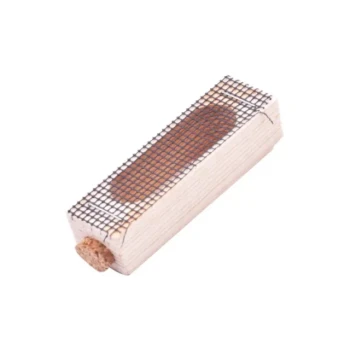
You cannot simply use the wooden shipping box the queen arrived in.
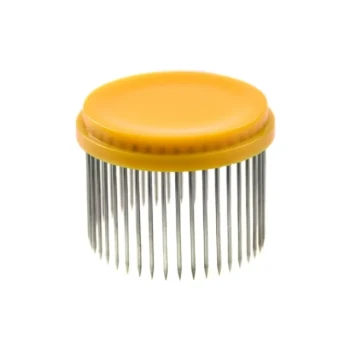
This method requires a specialized large-mesh cage (often called a push-in cage) that allows the queen to walk freely over the comb surface.
Frame Manipulation
Installing this cage requires removing bees from the target frame area to press the cage in safely.
This involves more disturbance to the hive compared to simply hanging a shipping cage between two frames.
Making the Right Choice for Your Goal
To decide between these methods, you must weigh the value of the queen against the effort of installation.
- If your primary focus is maximum safety for a high-value queen: The introduction cage is superior because it guarantees she creates a loyal retinue of young bees before facing the general population.
- If your primary focus is speed during routine operations: Standard cage insertion is likely sufficient, as it provides adequate protection without requiring frame-level manipulation.
By engineering a sanctuary of young bees, the introduction cage transforms a hostile takeover into a natural biological integration.
Summary Table:
| Feature | Standard Cage Insertion | Introduction (Push-in) Cage |
|---|---|---|
| Mechanism | Passive pheromone acclimation | Active "colony within a colony" |
| Placement | Suspended between frames | Pressed directly onto the comb |
| Key Advantage | Quick and easy installation | Bypasses aggression of older bees |
| Bee Interaction | Older workers outside cage | Newly hatched, loyal retinue |
| Equipment | Shipping box/cage | Specialized large-mesh push-in cage |
| Best For | Routine, fast operations | High-value queen protection |
Maximize Your Apiary’s Success with HONESTBEE
Successful queen introduction is the heartbeat of a thriving colony, but having the right tools is what ensures that success at scale. At HONESTBEE, we specialize in supporting commercial apiaries and distributors with a comprehensive range of professional-grade beekeeping equipment. From specialized queen introduction cages to advanced hive-making and honey-filling machinery, our portfolio is designed to enhance your operational efficiency and colony health.
Whether you are scaling your commercial honey production or sourcing high-quality consumables for your distribution network, we provide the hardware and industry expertise you need to grow.
Ready to elevate your beekeeping operations? Contact us today to explore our wholesale offerings and discover how HONESTBEE can deliver premium solutions for your business.
Related Products
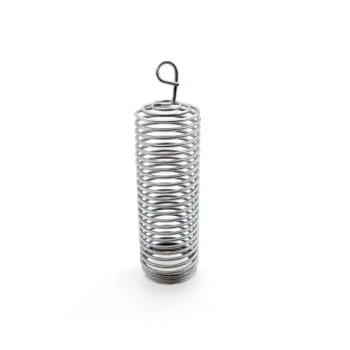
- Durable Galvanized Steel Spring Queen Bee Cage
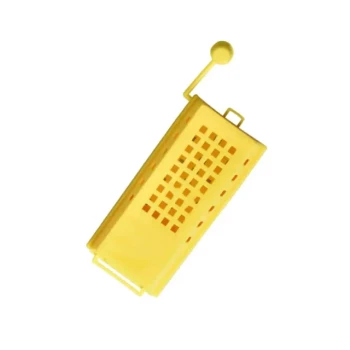
- Professional Queen Bee Introduction and Transport Cage
- Professional Queen Cage with Sliding Gate and Feeder Plug
- Hexagonal Direct Comb Introduction Queen Bee Cage
- Professional Multi-Functional Queen Bee Cage
People Also Ask
- Why are specialized queen bee cages used for the banking of mated queen bees? Maximize Commercial Apiary Storage Efficiency
- What is the mechanism of action for using temporary queen bee cages? Master Successful Queen Introduction
- What is the step-by-step process for installing a queen bee's cage onto a frame? Ensure Hive Acceptance Safely
- What is the optimal placement for a queen bee cage? Essential Strategies for Successful Re-queening
- What are the advantages and disadvantages of introducing a queen bee by embedding the cage? Boost Your Queen Acceptance