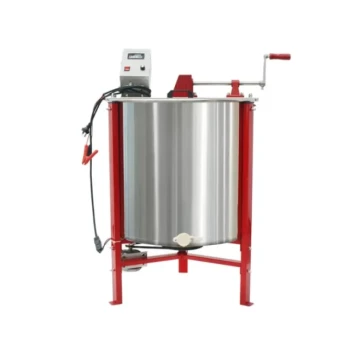
The modernization of beekeeping equipment drives industrial productivity by shifting operations from basic agricultural extraction to high-efficiency manufacturing. By upgrading to advanced honey extractors, standardized frames, and modern queen-rearing tools, producers significantly reduce losses caused by pests and bee mortality. Simultaneously, these technologies increase the unit yield of diverse products—including honey, pollen, and royal jelly—facilitating a transition toward high-value, standardized industrialization.
The Core Shift: Modern equipment does not merely increase the speed of harvest; it redefines the economic model of the apiary. By minimizing biological waste and enabling value-added processing, modernization transforms beekeeping from a variable farming activity into a scalable, predictable industry.
Maximizing Biological Capacity and Yield
The foundation of industrial productivity lies in the physical architecture of the hive and the health of the colony.
Expanding Storage Potential
Modern standardized beehives typically utilize nine or more frames.
This multi-frame structure provides the extensive physical space necessary for colony expansion and nectar storage. By ensuring bees have sufficient capacity during peak bloom periods, producers can maximize the biological output of every hive.
Reducing Management Losses
A major barrier to productivity is the loss of product or livestock due to aging tools.
Upgrading to modern machinery minimizes damage during the extraction process. This reduction in stress and mortality preserves the colony's strength, preventing the yield drops associated with recovering from harvest-related bee losses.
Improving Hygienic Standards
Advanced collection tools provide a controlled growth and nesting environment.
This scientific approach reduces the risk of natural diseases and ensures hygienic conditions during collection. High hygiene standards are a prerequisite for entering premium markets and processing high-quality derivatives.
Transitioning to High-Value Industrialization
Productivity in an industrial context is measured not just by volume, but by the market value of the final product.
From Raw Ingredient to Commercial Product
Honey-filling machines and backend processing equipment allow producers to bypass the bulk commodity market.
By transforming raw honey into packaged, shelf-ready goods, operations capture the value-added margin that previously went to third-party processors.
Diversification into Derivatives
Modern equipment enables the extraction and processing of non-honey products like propolis, royal jelly, and bee venom.
These ingredients serve as the base for medical and skincare applications, such as wound healing or eye care products. This capability opens revenue streams significantly more lucrative than traditional food production.
Enabling Economies of Scale
Industrial-grade manufacturing machines allow for the mass production of the hives themselves.
This ensures consistency and durability in infrastructure, allowing apiaries to expand rapidly without the bottlenecks of inconsistent or handmade equipment.
Understanding the Trade-offs
While modernization drives growth, it introduces new variables that must be managed objectively.
Capital Intensity vs. Scale
The transition to modernized equipment lowers the entry barrier for operation size but raises the financial barrier for entry.
While efficient tools reduce labor costs long-term, the initial investment in industrial extractors and processing lines requires a volume of production that justifies the capital expenditure.
The Learning Curve of "Scientific" Management
Modern tools require a shift from intuitive keeping to data-driven, scientific management.
Operators must understand not just bee biology, but also the maintenance of complex machinery and strict hygiene protocols. Failure to adapt management styles to match the equipment can lead to underutilization of expensive assets.
Making the Right Choice for Your Goal
To leverage modernization effectively, align your equipment investment with your specific industrial objective.
- If your primary focus is volume maximization: Invest in standardized multi-frame hives to increase the biological storage capacity available during peak nectar flows.
- If your primary focus is risk mitigation: Prioritize modern extraction and queen-rearing tools to minimize colony mortality and losses due to pest residues.
- If your primary focus is revenue diversification: Allocate capital to backend processing and filling machinery to convert raw agricultural yield into high-margin commercial or medical-grade goods.
True industrial productivity is achieved when technology converts a volatile natural process into a standardized, scalable economic loop.
Summary Table:
| Productivity Pillar | Impact of Modernization | Key Equipment Involved |
|---|---|---|
| Biological Yield | Maximizes storage capacity and minimizes colony stress | Standardized multi-frame hives, modern queen-rearing tools |
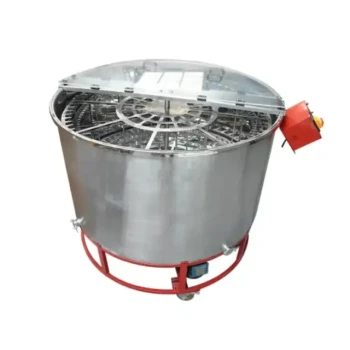
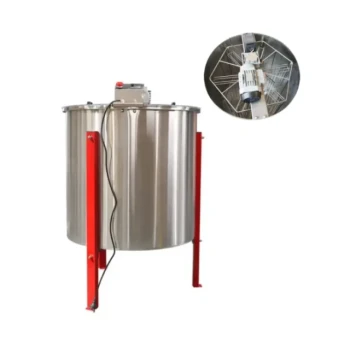
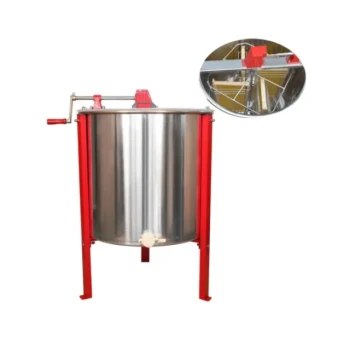
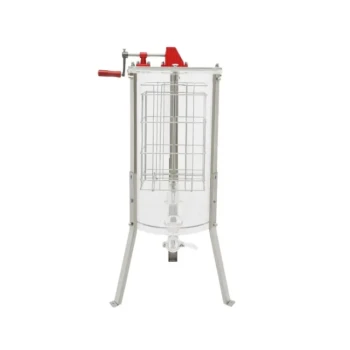
| Operational Efficiency | Reduces labor costs and prevents harvest-related bee mortality | High-speed honey extractors, automated frames |
| Market Value | Enables transition from raw bulk honey to high-margin retail goods | Honey-filling machines, processing equipment |
| Diversification | Facilitates extraction of high-value propolis and royal jelly | Specialized collection tools, medical-grade processing units |
Scale Your Apiary Operations with HONESTBEE
As a dedicated partner to commercial apiaries and global distributors, HONESTBEE provides the industrial-grade infrastructure needed to turn traditional beekeeping into a scalable powerhouse. From high-capacity honey-filling machines and hive-making hardware to a full spectrum of specialized tools and essential consumables, our wholesale solutions are designed to maximize your yield and market value.
Ready to modernize your production? Contact us today to explore our comprehensive equipment portfolio and discover how our expertise can streamline your supply chain.
References
- Mohammad Kazem Rahimi, Ali Akbar Azimi Dezfouli. Sustainability criteria of apicultural industry: evidence from Iran. DOI: 10.1080/20964129.2020.1818630
This article is also based on technical information from HonestBee Knowledge Base .
Related Products
- HONESTBEE 72 Frame Industrial Electric Honey Extractor for Beekeeping
- Commercial Electric 12 Frame Honey Extractor Spinner Motorized Honey Extractor
- HONESTBEE 3-Frame Manual Acrylic Honey Extractor
- electric honey extractor honey centrifuge 3 frame honey extractor stainless steel honey frame extractor
- HONESTBEE 6 Frame Self Reversing Electric Honey Extractor for Beekeeping
People Also Ask
- What is the importance of balancing honeycomb frames within a honey extractor? Ensure Stability and Protect Machinery
- How is honey separated from the frames after they are uncapped? Efficient Extraction Methods for High Yields
- What are the main benefits of using a honey extractor? Maximize Yields and Protect Your Honeycomb
- What are the recommended methods for removing honey from the honeycomb? Top Extraction Techniques for Maximum Efficiency
- How do manual honey extractors compare to electric honey extractors? Choosing the Right Tool for Your Apiary Growth