The study of honeybee foraging behavior and pollen loading acts as a fundamental design constraint for modern industrial beekeeping equipment. By analyzing the activity radii and resource gathering patterns of specific bee species, manufacturers can calibrate the specifications of hive-making and honey-filling machinery to match the biological rhythm and production capacity of the colony.
Optimizing industrial equipment requires synchronizing mechanical processes with biological reality. By tailoring internal hive structures and processing speeds to the specific foraging environments of the colony, producers ensure maximum efficiency and consistent product quality.
Translating Biological Data into Mechanical Design
Adapting to Activity Radii
Research into the activity radii of honeybees—how far they travel to forage—dictates the scale of necessary equipment.
Data regarding a colony's range helps determine the expected volume of incoming resources. This information allows engineers to refine hive-making machines to produce units with internal capacities that match the colony's gathering potential.
Optimizing Internal Hive Structures
The primary reference highlights the need to tailor internal structures to the specific vegetation environment.
If foraging patterns indicate heavy pollen loading from dense vegetation, the physical dimensions of the hive frames and spacing must accommodate this storage. High-precision woodworking ensures that these internal components are spaced exactly to support the colony's specific workflow.
Enhancing Environmental Stability
While biological data dictates dimensions, the manufacturing process ensures viability.
Industrial-grade equipment provides the high-precision joinery required for airtightness. A well-constructed hive stabilizes temperature and humidity, which directly supports the physiological health of the foraging bees, allowing them to maintain their activity levels.
The Impact on Processing Machinery
Calibrating Honey-Filling Machinery
The influence of foraging behavior extends beyond the hive to the processing line.
By understanding the production efficiency of colonies in specific environments, manufacturers can optimize honey-filling machinery. The equipment's throughput is adjusted to match the expected consistency and volume of the yield, preventing bottlenecks or underutilization of the machinery.
Ensuring Chemical Consistency
Foraging patterns influence the chemical properties of the honey and royal jelly produced.
Stable hive environments lead to consistent chemical profiles in the final product. This consistency allows industrial processing equipment to operate within improved quality control parameters, as the viscosity and composition of the honey remain predictable across the supply chain.
Understanding the Trade-offs
Specificity vs. Flexibility
Designing equipment based on specific foraging environments offers high efficiency but reduces flexibility.
Machinery tailored to the high-volume production of a specific vegetation zone may not perform optimally if moved to a region with sparse resources. Producers must weigh the benefits of targeted refinement against the need for operational versatility.
The Cost of Precision
Achieving the necessary airtightness and precise spacing requires advanced manufacturing capabilities.
While this leads to better colony health and yield, it increases the initial investment in industrial woodworking machinery. You must evaluate if the projected increase in production efficiency justifies the capital expenditure on high-precision equipment.
Making the Right Choice for Your Goal
To apply these principles effectively, align your equipment choices with your operational priorities:
- If your primary focus is Maximum Yield: Prioritize hive-making machinery that tailors internal volume and frame spacing to the specific pollen-loading capacity of your local vegetation.
- If your primary focus is Product Consistency: Invest in high-precision manufacturing equipment to ensure airtightness, stabilizing the hive environment for uniform chemical properties in your honey.
True industrial optimization occurs when you treat the biological behavior of the bee and the mechanical design of the equipment as a single, integrated system.
Summary Table:
| Biological Factor | Equipment Influence | Key Benefit |
|---|---|---|
| Activity Radii | Hive Capacity Design | Matches hive volume to colony resource gathering potential |
| Pollen Loading | Frame & Spacing Specs | Optimizes storage structures for specific vegetation types |
| Foraging Stability | High-Precision Joinery | Ensures airtightness and temperature control for bee health |
| Yield Consistency | Filling Machine Calibration | Synchronizes processing speed with expected honey viscosity |
| Chemical Profile | Quality Control Systems | Stabilizes product composition for predictable industrial output |
Maximize Your Colony’s Potential with HONESTBEE
At HONESTBEE, we understand that industrial beekeeping is a synergy between biological behavior and mechanical precision. We provide commercial apiaries and distributors with the professional-grade tools needed to translate foraging data into high-yield results.
Our comprehensive wholesale offering includes:
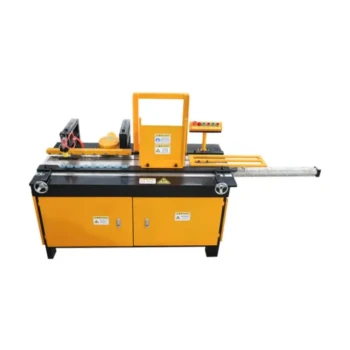
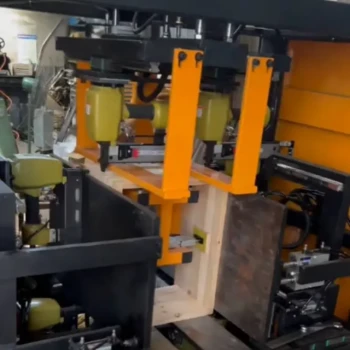
- High-Precision Hive-Making Machines: Tailor internal hive structures to your local vegetation and foraging radii.
- Advanced Honey-Filling Machinery: Calibrated for efficiency and consistency across your entire production line.
- Industrial Consumables & Equipment: A full spectrum of specialized hardware and honey-themed merchandise.
Ready to optimize your production efficiency? Contact us today to discuss your wholesale needs and let HONESTBEE empower your beekeeping operations with the industry's best technology.
References
- Kewat Sanjay Kumar, Vinod Prasad Khanduri. Flower Pollinator Interactions within Two Tropical Tree Species of Mizoram, North East India. DOI: 10.15835/nsb829789
This article is also based on technical information from HonestBee Knowledge Base .
Related Products
- High-Efficiency Pneumatic Bee Hive Making Machine for Rapid Box Assembly
- Beehive Handle and Frame Rest Cutting Machine: Your Specialized Hive Machine
- Mini Desktop Bee Hive Frame Forming Making Machine
- Automatic High-Speed Bee Hive Box Stapling Machine
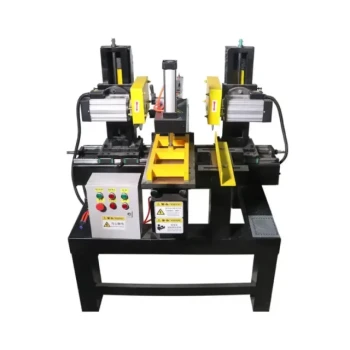
- Beehive Machine Double End Saw for Precision Hive Component Manufacturing
People Also Ask
- How does the introduction of professional beehive-making machinery benefit sustainable beekeeping? Scale Your Apiary
- Why is specialized beehive-making machinery critical for low-defense breeding? Enhance Selection with Precision Tools
- How does the introduction of specialized beehive making machinery contribute to increasing the scale of regional beekeeping industries?
- What is the importance of specialized beehive making machinery in a circular bio-economy? Build Local Sustainability
- Why is specialized beehive-making machinery essential? Scale Your Apiary with Precision Industrial Standards