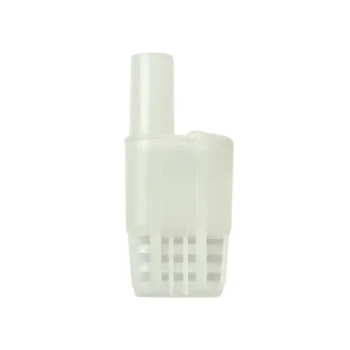
The time release method utilizes a temporary candy barrier to safely delay direct contact. By blocking the queen cage's exit with a plug of stiff sugar candy, worker bees are forced to consume the obstruction over a period of two to three days. This intentional delay allows the colony to acclimate to the new queen's presence before she is fully accessible, preventing immediate rejection.
Colony acceptance is determined by pheromone compatibility, which takes time to establish. The time release method enforces a mandatory acclimation window, significantly reducing the risk of rejection compared to immediate release methods.
The Mechanics of Gradual Introduction
The Candy Barrier
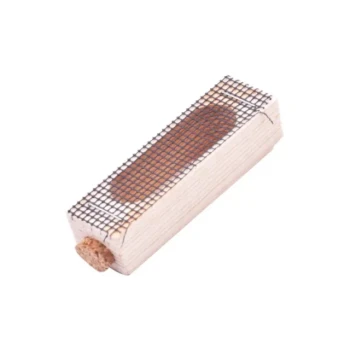
The exit of the queen's transport cage is sealed with a dense sugar candy plug. This serves as a physical gatekeeper between the new queen and the established colony. It prevents the queen from exiting immediately while simultaneously preventing workers from entering quickly to attack.
The 48-72 Hour Window
Worker bees, driven by the instinct to clean the hive or access the sugar, will chew through this plug. The density of the candy is calibrated to ensure this process takes approximately 2 to 3 days. This duration is critical, as it acts as a mandatory "cooling off" period for the hive.
The Biological Advantage
Pheromone Integration
Honey bees rely heavily on chemical signals to identify kin and intruders. A new queen carries a foreign scent that can trigger defensive behavior.
The slow release allows the new queen's pheromones to gradually permeate the hive. Over the course of the 2-3 day chewing period, her scent mingles with the colony's existing odor, becoming familiar rather than threatening.
Mitigating Aggression
Sudden introductions often result in the colony "balling" the queen—attacking and overheating her. By the time the workers successfully eat through the candy, the initial aggressive impulse has usually subsided. The gradual exposure transforms the queen from an invader into an accepted member of the colony.
Understanding the Trade-offs
Patience vs. Immediate Action
The primary "cost" of this method is time. You cannot verify the queen's release or egg-laying status immediately upon installation. You must trust the process and wait for the bees to do the work.
The Risk of Shortcuts
While quick-release methods exist, they bypass the crucial pheromone acclimation phase. The reference material clearly indicates that the time release method ensures a safer introduction. Rushing this process increases the probability of the colony killing the new queen.
Making the Right Choice for Your Colony
The goal of queen introduction is not just placement, but acceptance.
- If your primary focus is maximum queen survival: Utilize the candy release method to guarantee the 2-3 day pheromone acclimation period.
- If your primary focus is minimizing aggression: Avoid quick-release techniques and rely on the slow barrier removal to naturalize the queen's scent.
Patience during the release window is the single most effective tool for ensuring a successful transition.
Summary Table:
| Feature | Immediate Release | Time Release (Candy) |
|---|---|---|
| Mechanism | Instant queen access | 48-72 hour sugar barrier |
| Pheromone Integration | Minimal/None | Gradual & Complete |
| Risk of 'Balling' | Very High | Significantly Reduced |
| Primary Benefit | Speed | Maximum Survival Rate |
| Interaction Window | Immediate | 2 to 3 days acclimation |
Maximize Your Colony Success with HONESTBEE
As a professional beekeeper or commercial distributor, the safety of your queen is the foundation of your productivity. At HONESTBEE, we specialize in supporting commercial apiaries with high-quality beekeeping tools, specialized queen-rearing equipment, and essential consumables designed for precision and durability. From honey-filling machines to hive hardware, we provide the full spectrum of equipment needed to scale your operations.
Ready to elevate your apiary's efficiency? Contact us today to explore our wholesale machinery and tools tailored for industry professionals.
Related Products
- Durable Galvanized Steel Spring Queen Bee Cage
- Professional Queen Bee Introduction and Transport Cage
- Professional Queen Cage with Sliding Gate and Feeder Plug
- Professional Multi-Functional Queen Bee Cage
- Hexagonal Direct Comb Introduction Queen Bee Cage
People Also Ask
- Why are specialized queen bee cages used for the banking of mated queen bees? Maximize Commercial Apiary Storage Efficiency
- What is the mechanism of action for using temporary queen bee cages? Master Successful Queen Introduction
- What is the step-by-step process for installing a queen bee's cage onto a frame? Ensure Hive Acceptance Safely
- What is the optimal placement for a queen bee cage? Essential Strategies for Successful Re-queening
- What are the advantages and disadvantages of introducing a queen bee by embedding the cage? Boost Your Queen Acceptance