The transition to industrial-grade honey processing equipment marks a fundamental shift from variable manual production to precise, standardized manufacturing. This upgrade improves product quality by efficiently separating honey from impurities while strictly preserving the essential nutrients and unique flavor profiles that define the product.
The core value of industrial processing lies in balancing purity with preservation. By replacing manual squeezing with mechanical pressing and precision filtration, producers achieve the high clarity and physicochemical stability required for commercial markets without compromising the honey's sensory character.
Elevating Sensory Characteristics and Purity
Achieving Superior Clarity
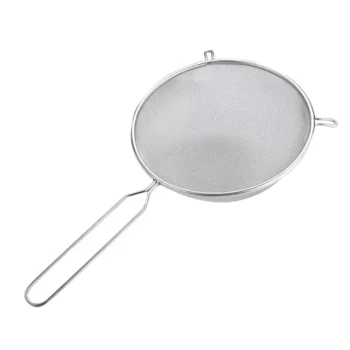
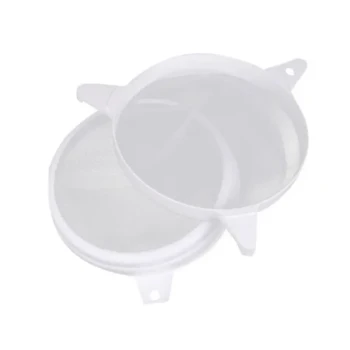
Manual extraction often leaves behind visible debris, clouding the final product. Industrial filtration systems utilize multi-stage precision filters to physically clarify the honey. This process removes wax debris, larval fragments, and micro-impurities, resulting in the high transparency and visual appeal demanded by consumers.
Preserving Flavor Profiles
Unlike rudimentary heating or straining methods that may alter taste, modern industrial equipment is designed to refine honey gently. By using controlled temperature systems and mechanical separation, the equipment ensures the natural aroma and flavor notes remain intact. This allows the final product to retain the distinct characteristics of its floral source.
Protecting Nutritional Integrity
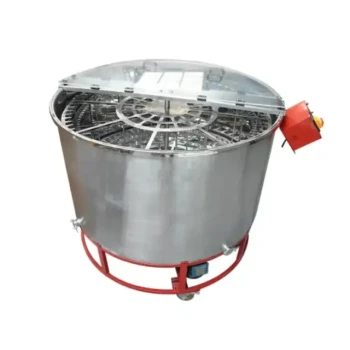
High-quality industrial extractors utilize centrifugal force to separate honey without destroying the honeycomb structure. This method, combined with advanced filtration, minimizes oxidation and exposure. Consequently, the bioactive components and original nutritional content of the honey are preserved, meeting the expectations of health-conscious buyers.
Ensuring Stability and Longevity
Controlling Moisture and Fermentation
One of the most critical factors in honey quality is moisture content; excess water leads to fermentation and spoilage. Industrial processing lines often include moisture control devices that precisely regulate water levels. This stabilizes the honey's physicochemical indicators, preventing fermentation and ensuring the product remains stable over time.
Extending Commercial Shelf Life
Standardized processing creates a consistent product environment that inhibits bacterial growth. When combined with automatic bottling equipment that ensures sterile operations, the risk of contamination is drastically reduced. This workflow significantly extends the shelf life, making the product viable for long-term storage and international shipping.
Understanding the Trade-offs
While industrial equipment elevates consistency, it requires careful management to avoid diminishing returns.
The Risk of Over-Processing
The most common pitfall in industrial honey processing is excessive filtration or overheating. While "ultra-filtration" produces an incredibly clear product, it can strip away beneficial pollen and enzymes. Equipment must be calibrated to remove impurities without removing the micro-nutrients that categorize honey as "raw" or "organic."
Capital and Maintenance Requirements
Transitioning to industrial-grade machinery requires a significant upfront investment and a commitment to ongoing maintenance. To maintain the sanitary benefits discussed above, the equipment requires regular, specialized cleaning protocols. Neglecting this maintenance negates the food safety advantages and can introduce new contaminants.
Meeting Commercial and Safety Standards
Compliance with International Regulations
Global markets have strict physicochemical standards for what constitutes marketable honey. Industrial equipment ensures the final output meets specific metrics for clarity, moisture, and purity. This adherence is essential for meeting international trade requirements and organic certifications.
Building Consumer Trust
Modern consumers often seek a physical guarantee of purity. The use of professional extraction and sterile bottling hardware signals a commitment to quality. By eliminating visible impurities and ensuring consistent taste, producers reinforce consumer trust, which is often the primary driver in purchasing decisions for premium food products.
Making the Right Choice for Your Goal
To maximize the value of industrial processing, align your equipment choice with your specific market strategy:
- If your primary focus is the Luxury Retail Market: Prioritize precision filtration and low-temperature systems to maximize clarity while retaining distinct floral aromas and bioactives.
- If your primary focus is Export and Long-Distance Trade: Focus on moisture control and sterile bottling systems to ensure physicochemical stability and prevent fermentation during transport.
- If your primary focus is the "Raw" or "Organic" Niche: Select centrifugal extractors with adjustable filtration settings to remove wax debris without stripping away pollen or natural enzymes.
Invest in processing that refines the product's appearance while relentlessly protecting its natural essence.
Summary Table:
| Feature | Manual Processing | Industrial-Grade Equipment | Quality Impact |
|---|---|---|---|
| Purity | Often contains wax & debris | Multi-stage precision filtration | High clarity and visual appeal |
| Nutrient Retention | Variable heat exposure | Controlled temperature systems | Preserves bioactive enzymes & vitamins |
| Stability | Risk of fermentation | Integrated moisture control | Prevents spoilage; extends shelf life |
| Consistency | Batch-to-batch variation | Standardized mechanical workflow | Uniform taste and physicochemical profile |
| Safety | High contamination risk | Sterile automated bottling | Meets international food safety standards |
Scale Your Apiary Success with HONESTBEE
Transitioning to industrial-grade production is a critical step in securing your place in the global honey market. At HONESTBEE, we specialize in empowering commercial apiaries and distributors with the professional tools needed to achieve international quality standards.
Our comprehensive wholesale portfolio includes:
- Advanced Machinery: From high-capacity hive-making units to precision honey-filling and bottling machines.
- Professional Equipment: Centrifugal extractors and multi-stage filtration systems designed to preserve nutritional integrity.
- Industry Consumables: A full spectrum of beekeeping tools and honey-themed cultural merchandise to diversify your brand.
Whether you are targeting luxury retail or international export, HONESTBEE provides the hardware and expertise to refine your product's purity without losing its natural essence.
Ready to elevate your production standards?
Contact us today to explore our wholesale solutions
References
- Chala Kinati. Opportunities and challenges of honey production in Gomma district of Jimma zone, South-west Ethiopia. DOI: 10.5897/jaerd11.047
This article is also based on technical information from HonestBee Knowledge Base .
Related Products
- Electric Double Wall Honey Filtering Machine Purifier Equipment for Honey Processing Plant
- Honey Concentrating and Filtering Dehumidifier Machine 2T Capacity for Honey
- 0.5T Capacity Honey Dehumidifier Dryer with Vacuum Heating and Thickening Filtering Machine
- Professional Stainless Steel Honey Filtering Machine with Water Bath Heating for Beekeeping
- Automatic Honey Filling and Filtering Machine for Beekeeping Bottle Filling
People Also Ask
- What is the process of filtering honey? A Guide to Clean, Pure, and Market-Ready Honey
- What types of equipment are used in honey filtering? Build an Efficient System for Pure, Marketable Honey
- What is the overall importance of using the right equipment in honey filtering? Boost Quality & Marketability
- What are the benefits of drying honey filtering equipment after use? Protect Your Honey Quality & Equipment Investment
- Why is filtering important in honey processing, and what equipment is used? A Guide to Quality & Efficiency