The use of a laboratory vortex mixer equipped with a dedicated multi-tube adapter directly improves throughput by transforming the DNA extraction process from a serial task to a parallel operation. By enabling the simultaneous mechanical lysis of multiple sample tubes, this setup drastically reduces the time required to prepare samples compared to individual handling.
The integration of a multi-tube adapter offers a dual advantage: it accelerates processing speed through batch handling while simultaneously ensuring that every sample undergoes identical physical stress, thereby standardizing the quality of DNA extraction.
The Mechanics of Increased Throughput
Simultaneous Sample Processing
The most immediate impact on throughput is the ability to batch samples. A multi-tube adapter allows the laboratory to transition away from processing one tube at a time.
By subjecting a full array of tubes to the vortex mixer at once, the total active time required for the lysis step is divided by the number of tubes the adapter holds.
Standardized Mechanical Lysis
Efficient detection of bee pathogens relies heavily on breaking down sample material effectively. The vortex mixer provides mechanical lysis, physically disrupting the sample matrix to release DNA.
Doing this simultaneously across multiple tubes ensures that the throughput gains do not come at the cost of extraction thoroughness.
Enhancing Reliability and Repeatability
Uniform Physical Forces
Beyond simple speed, throughput is limited by the rate of re-testing due to errors. The multi-tube adapter subjects every sample in the batch to uniform physical forces.
This uniformity ensures that Sample A receives the exact same agitation intensity and duration as Sample B, eliminating variables that could obscure pathogen detection.
Elimination of Manual Handling Variables
Manual lysis is inherently inconsistent; human operators cannot replicate the exact same motion and force for dozens of consecutive samples.
By automating the physical motion, the vortex mixer reduces variations in DNA extraction quality that are common with manual handling.
Impact on Multiplex PCR
The ultimate measure of throughput is usable data. High-quality, consistent DNA extraction directly enhances the repeatability of multiplex PCR results.
Standardizing the input (DNA quality) ensures that the output (pathogen detection) is a true reflection of the sample, rather than a reflection of handling inconsistencies.
Addressing the Trade-offs: Manual vs. Mechanical
The Hidden Cost of Manual Lysis
While a standard vortex mixer without an adapter may seem sufficient for low volumes, it introduces a significant "consistency gap." The primary pitfall in pathogen detection is the variability introduced by manual processing.
Without the adapter, you trade equipment cost for a higher risk of experimental noise. Inconsistent lysis leads to variable DNA yields, which can result in false negatives in downstream PCR analysis, forcing costly re-runs that destroy throughput efficiency.
Making the Right Choice for Your Goal
If your primary focus is Scalability:
- Implement the multi-tube adapter to maximize the number of samples processed per hour by converting lysis into a batch operation.
If your primary focus is Data Accuracy:
- Utilize the adapter to eliminate human handling variables, ensuring that any difference in PCR results is due to pathogen presence, not extraction inconsistency.
By standardizing the physical forces applied to your samples, you build a workflow that is not only faster but significantly more robust.
Summary Table:
| Feature | Manual Single-Tube Processing | Multi-Tube Adapter Processing |
|---|---|---|
| Processing Mode | Serial (One by one) | Parallel (Batch handling) |
| Throughput Speed | Low - Time scales with sample count | High - Simultaneous lysis of multiple tubes |
| Physical Uniformity | Variable - Subject to operator fatigue | Identical - Uniform forces across all samples |
| Data Reliability | Higher risk of experimental noise | High - Consistent DNA yield for PCR |
| Labor Intensity | High manual effort | Low - Automated agitation |
Maximize Your Lab’s Efficiency with HONESTBEE
At HONESTBEE, we understand that for commercial apiaries and distributors, speed and accuracy in pathogen detection are critical to colony health. We provide a full spectrum of professional beekeeping machinery and laboratory tools designed to scale your operations.
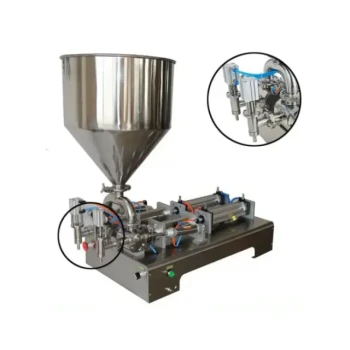
Whether you need specialized mechanical lysis equipment, high-capacity honey-filling machines, or a complete supply of beekeeping consumables, our wholesale solutions are tailored to meet industrial demands.
Ready to upgrade your apiary’s technical capabilities? Contact us today to explore our comprehensive hardware portfolio
References
- Mariko Okamoto, Daisuke Takamatsu. A novel multiplex PCR assay to detect and distinguish between different types of <i>Paenibacillus larvae</i> and <i>Melissococcus plutonius</i>, and a survey of foulbrood pathogen contamination in Japanese honey. DOI: 10.1292/jvms.21-0629
This article is also based on technical information from HonestBee Knowledge Base .
Related Products
- Double Wall Honey Heating Stirring Homogenizer Mixing Machine with Various Capacity
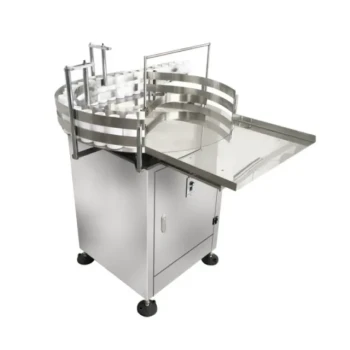
- Automated Rotary Bottle Unscrambler for Honey Production Line
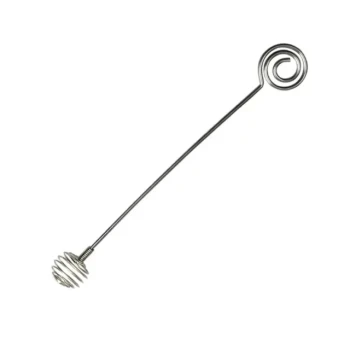
- Modern Stainless Steel Honey Dipper Stirrer
- Heavy-Duty Ergonomic Grip Galvanized Pollen Shovel
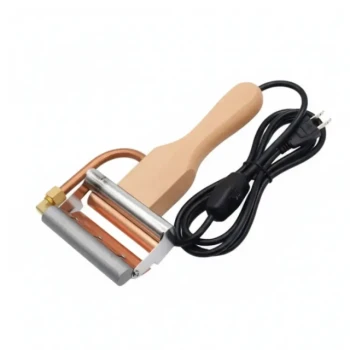
- HONESTBEE Adjustable Voltage Wire Embedder with Digital Display
People Also Ask
- What impact do homogenizers or oscillating equipment have on honey microbial detection? Ensure Testing Accuracy
- Why is thorough mechanical stirring and homogenization emphasized in honey processing? Ensure Sample Accuracy
- How do heating equipment and homogenizers liquefy crystallized honey? Expert Guide to Professional Honey Processing
- How does the honey mixer handle different types of honey? Master Viscosity for Perfect Blends
- What are the main components of the honey mixer? Engineered for Gentle, Efficient Honey Processing