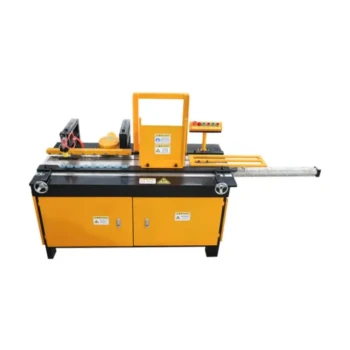
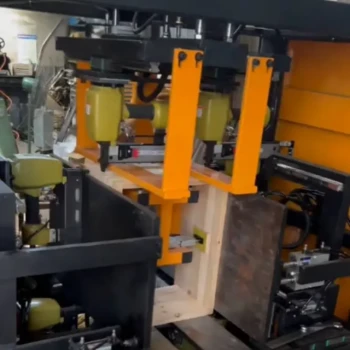
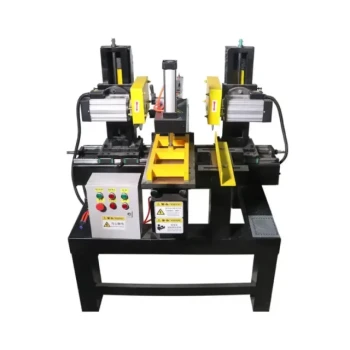
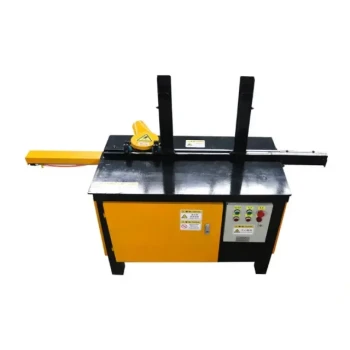
The integration of industrial hive-making machines utilizing digital cutting technology fundamentally transforms beehive security by enforcing near-perfect structural integrity. By achieving high fit precision at all joints, these systems eliminate the unintended cracks and holes that often serve as backdoors for predators.
By ensuring a perfectly sealed structure through digital precision, these machines remove physical vulnerabilities. The primary defensive advantage is the complete exclusion of predators, such as hornets, that rely on structural imperfections to bypass the colony's guard bees.
The Mechanics of Precision Defense
Achieving Structural Integrity
The primary contribution of industrial machines to hive defense is the consistency of the digital cutting process. Unlike manual assembly, which may result in variances, digital technology ensures extremely high fit precision at every joint.
This precision results in a "tight physical structure." The components lock together seamlessly, effectively removing the margin of error that typically leads to gaps.
Denying Entry to Predators
The most significant defensive outcome of this precision is the prevention of infiltration. Predators, specifically hornets, are adept at finding and widening small cracks to gain access to the brood and honey stores without facing the main guard force.
By eliminating these cracks, the hive forces all traffic to the main entrance, where the colony can concentrate its defensive resources. The text notes that this technology completely prevents hornets from exploiting gaps to infiltrate the colony.
Understanding the Limits of Structural Defense
Passive vs. Active Defense
While high-precision manufacturing significantly improves security, it is important to view it as a passive defense layer.
The technology shores up the perimeter, preventing "sneak attacks" through the walls or corners. However, it does not actively repel predators attacking the main entrance.
The Scope of Protection
The "defensive performance" mentioned refers specifically to the integrity of the hive body.
A digitally cut hive offers superior protection against infiltration, but beekeepers must still manage the main entrance size relative to the colony's strength to ensure full security.
Making the Right Choice for Your Goal
When selecting hive equipment, understanding the role of manufacturing precision helps you align your hardware with your environmental challenges.
- If your primary focus is Predator Exclusion: Prioritize digitally manufactured hives to eliminate the gaps that hornets and other small pests use to bypass guard bees.
- If your primary focus is Thermal Efficiency: Leverage the high fit precision of these hives to minimize drafts and heat loss, which indirectly supports colony health and defensive energy.
Precision manufacturing converts the beehive from a simple shelter into a secure fortress, removing the structural weaknesses that predators exploit most.
Summary Table:
| Feature | Traditional Manual Hives | Digitally Cut Industrial Hives |
|---|---|---|
| Joint Precision | High variance, prone to gaps | High fit precision, seamless locking |
| Predator Access | Vulnerable to side infiltration | Entry limited to guarded main entrance |
| Structural Integrity | Prone to warping and drafts | Airtight seals and consistent fit |
| Defensive Type | Passive (Variable) | Enhanced Passive Fortress |
| Primary Benefit | Lower initial cost | Complete exclusion of hornets and pests |
Transform Your Apiary Operations with HONESTBEE Precision
At HONESTBEE, we empower commercial apiaries and distributors with the cutting-edge technology needed to thrive in a competitive market. Our comprehensive wholesale offering includes everything from high-precision hive-making and honey-filling machines to premium beekeeping tools and industry consumables.
By choosing our digitally manufactured equipment, you provide your customers with hives that act as secure fortresses, minimizing losses to predators and maximizing thermal efficiency. Whether you are looking to upgrade your production line or expand your retail portfolio with honey-themed cultural merchandise, our team is ready to support your growth.
Ready to elevate your beekeeping business? Contact us today to explore our wholesale solutions!
References
- Т. В. Коновалова. The species composition of wasps-pests of honeybees Apis mellifera L.. DOI: 10.30917/att-vk-1814-9588-2018-1-8
This article is also based on technical information from HonestBee Knowledge Base .
Related Products
- Automatic Finger Joints Joint Making Machine for Bee Box and Hive Making
- Beehive Handle and Frame Rest Cutting Machine: Your Specialized Hive Machine
- High-Efficiency Pneumatic Bee Hive Making Machine for Rapid Box Assembly
- Automatic High-Speed Bee Hive Box Stapling Machine
- Mini Desktop Bee Hive Frame Forming Making Machine
People Also Ask
- What are the benefits of using a bee box-making machine? Scale Your Apiary with Precision & Efficiency
- What type of joint is required on the inside of beehive boxes for frame support? Mastering the Essential Rabbet Joint
- How were the finger joints cut on the super components? Precision Engineering for Durable Hive Assembly
- What is the construction method that the machine is based on? Master the Lock Corner Technique for Beehives
- What are the advantages of using automated hive-making machines? Boost Efficiency in Large-Scale Africanized Apiaries