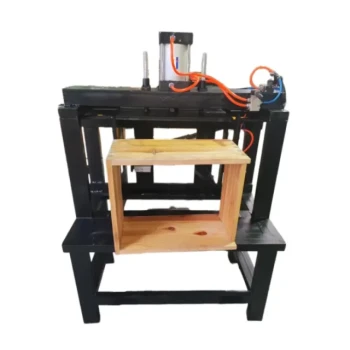
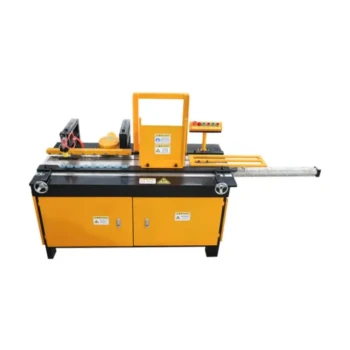
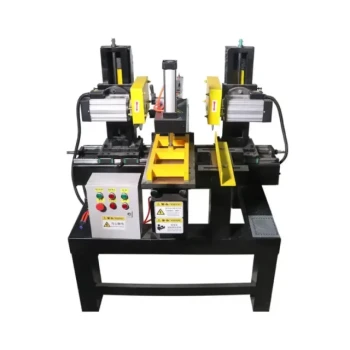
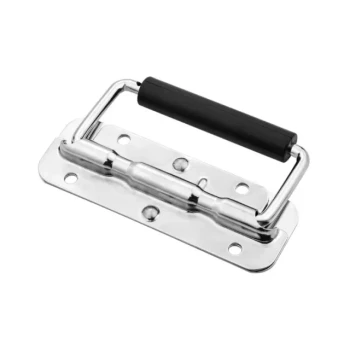
The foundation of modern apiary management relies on precision. Standardized hive-making equipment ensures that critical components, specifically frames and hive bodies, are manufactured with exact, uniform dimensions. This physical consistency is the prerequisite for interchanging parts between colonies, which drastically simplifies routine inspections and honey harvesting workflows.
Standardization is not merely a convenience; it is the operational mechanism that enables Good Beekeeping Practices (GBPs). By ensuring every component fits every hive, beekeepers can mechanize workflows, streamline disease management, and scale operations efficiently while maintaining scientific control over colony health.
The Operational Impact of Interchangeability
Streamlining Daily Management
The primary benefit of standardized equipment is the interchangeability of components. Beekeepers can move frames of brood or honey from a strong colony to a weak one without compatibility issues.
This capability simplifies hive inspections significantly. It allows for the immediate correction of resource imbalances between colonies, ensuring apiary-wide stability.
Enabling Mechanization
Standardization is the gateway to mechanized honey harvesting. Industrial extractors and processing lines require frames and boxes to meet strict dimensional tolerances.
Using precise, uniform equipment reduces manual labor costs. It increases overall production efficiency by allowing machinery to handle volume rather than requiring operators to adjust for irregular equipment.
Facilitating Transport and Logistics
High-precision woodworking ensures a tight fit between internal components and external boxes. This structural integrity is vital for rapid hive transport during large-scale pollination operations.
Standardized stacking and secure fits improve transport efficiency. More importantly, they enhance bee survival rates by reducing vibration and shifting during transit.
Enhancing Colony Health and Sustainability
Supporting Good Beekeeping Practices (GBPs)
Standardized hardware is fundamental for implementing GBPs, particularly regarding large-scale disease prevention. Uniform equipment allows for systematic cleaning and rotation of old comb, a key step in pathogen control.
Controlling Environmental Factors
Standardized hive bases are designed to elevate colonies off the ground. This physical separation is critical for blocking ground moisture and preventing infestations from soil-dwelling pests.
By managing internal humidity and pest access, standardized equipment extends the lifespan of the hardware and stabilizes production outputs.
Protecting Biodiversity
Scientific utilization of equipment minimizes disturbance to the colony during management. Efficient harvesting tools allow beekeepers to extract honey without destroying the colony structure.
This approach promotes the restoration of natural vegetation. It balances the exploitation of floral resources with pollination services, preventing the over-use of local plant ecosystems.
Scientific Management and Scalability
From Hobbyist to Industrial Scale
The use of standardized equipment allows an operation to scale from individual units to hundreds of hives. Uniform specifications are what allow management intensity to remain sustainable as the apiary grows.
Without standardization, labor requirements increase disproportionately with every new hive added. Standardization allows the producer to balance floral resource availability with their management capacity.
Data-Driven Decision Making
Standard hives act as controlled environments that facilitate accurate data collection. Because the hardware is uniform, beekeepers can record and compare honey production capacity across different locations.
This converts dispersed apiary sites into quantifiable spatial distribution data. This data is essential for ecological modeling and predicting long-term production trends.
Understanding the Trade-offs
The Requirement for Industrial Precision
Achieving true standardization requires specialized hive-making machines. Rough carpentry or "eyeball" measurements are insufficient for modern apiary standards.
The Cost of Entry
Investing in industrial-grade components or the machinery to produce them represents a higher initial cost than makeshift solutions. However, this is offset by long-term labor savings.
Rigidity in Design
Adhering to a standard restricts the ability to improvise with non-standard materials. Once a specific dimensional standard is adopted, the apiary is effectively "locked in" to that specification to maintain interchangeability.
Making the Right Choice for Your Goal
To determine how strictly you must adhere to these standards, consider your primary operational objectives:
- If your primary focus is Commercial Production: Prioritize mechanization compatibility; your frames must fit industrial extractors and your boxes must stack securely for transport.
- If your primary focus is Ecological Research: Prioritize uniform volume specifications; this ensures that your data regarding colony size and resource consumption is statistically comparable across different sites.
- If your primary focus is Colony Health: Prioritize component precision; tight-fitting parts prevent pests and maintain the internal climate required for disease management.
Standardized equipment transforms beekeeping from a craft of variable results into a quantifiable, scalable, and scientifically managed profession.
Summary Table:
| Key Aspect | Benefit of Standardization | Impact on Management |
|---|---|---|
| Interchangeability | Components fit all colonies | Streamlined inspections and resource balancing |
| Mechanization | Uniform dimensional tolerances | Compatibility with industrial extractors and processing |
| Logistics | Secure stacking and tight fits | Safer, more efficient large-scale hive transport |
| Colony Health | Precision moisture & pest control | Improved survival rates and disease management |
| Scalability | Consistent hardware specs | Sustainable growth from hobbyist to industrial scale |
Scale Your Beekeeping Operation with HONESTBEE
Transitioning to standardized production is the key to unlocking commercial success. HONESTBEE empowers commercial apiaries and distributors with the high-precision tools needed to lead the industry.
We provide a comprehensive wholesale portfolio, including:
- Industrial Machinery: High-precision hive-making and honey-filling machines.
- Standardized Hardware: A full spectrum of beekeeping tools and equipment built to exact specifications.
- Essential Consumables: Every item needed to maintain a professional apiary.
Ready to enhance your efficiency and production capacity? Contact HONESTBEE today to learn how our equipment solutions can transform your beekeeping business.
References
- Savella Deanova Supatno, Riswandha Risang Aji. Identifikasi Potensi Eduwisata Perlebahan Gunung Guntur. DOI: 10.29313/bcsurp.v4i3.14011
This article is also based on technical information from HonestBee Knowledge Base .
Related Products
- High-Efficiency Pneumatic Bee Hive Making Machine for Rapid Box Assembly
- Professional Stainless Steel Pry-Bar Hive Tool
- Professional Multi-Function Stainless Steel Hive Tool
- Stainless Steel J Hook Hive Tool for Beekeeping
- Beehive Handle and Frame Rest Cutting Machine: Your Specialized Hive Machine
People Also Ask
- How does the introduction of professional beehive-making machinery benefit sustainable beekeeping? Scale Your Apiary
- Why is specialized beehive-making machinery critical for low-defense breeding? Enhance Selection with Precision Tools
- How does the introduction of specialized beehive making machinery contribute to increasing the scale of regional beekeeping industries?
- What is the importance of specialized beehive making machinery in a circular bio-economy? Build Local Sustainability
- Why is specialized beehive-making machinery essential? Scale Your Apiary with Precision Industrial Standards