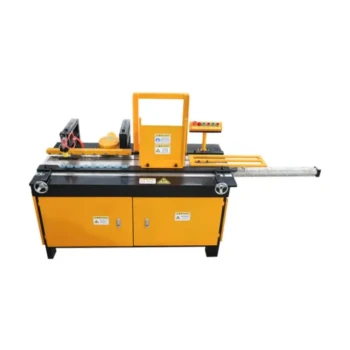
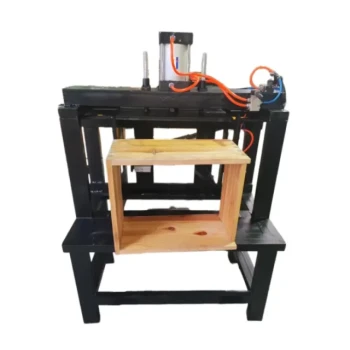
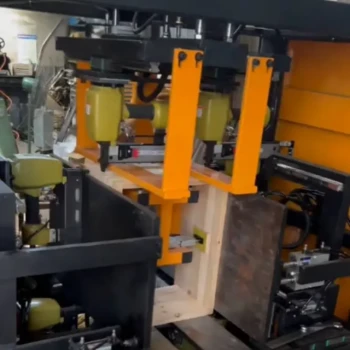
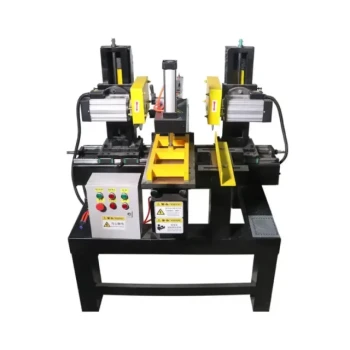
The primary contribution of specialized hive-making machinery to stingless bee survival is the achievement of manufacturing precision. By utilizing high-precision woodworking equipment, apiarists can produce hives with exact specifications and superior sealing properties. This eliminates structural gaps that would otherwise leave the defenseless colony vulnerable to predators and environmental instability.
The survival of a stingless bee colony in a managed environment relies heavily on energy conservation. Precise, machine-manufactured hives reduce the colony's need to expend energy on sealing gaps or regulating temperature, allowing them to focus entirely on colonization, brood rearing, and resource accumulation.
The Defense Mechanism of Precision
Eliminating Vulnerabilities
Stingless bees rely on physical barriers rather than venom for defense. Machinery that cuts hive components to exact tolerances ensures airtight joinery during assembly. This prevents the formation of gaps that serve as entry points for ants, phorid flies, and other predators that can decimate a colony.
Enhancing Structural Integrity
High-precision equipment ensures that hive components fit together seamlessly, creating a robust defensive shell. This structural consistency effectively isolates the colony from external threats. A well-sealed hive is the first line of defense, significantly increasing survival rates in environments with high predator pressure.
Optimizing the Microclimate
Volume Control and Resource Efficiency
Machinery allows for the mass production of hives with fixed, optimized volumes. This precise sizing prevents the colony from expending unnecessary resources trying to fill or defend a space that is too large. When hive volume is matched to colony capacity, bees can utilize plant resins more efficiently to seal the interior, leading to higher propolis accumulation.
Thermal Regulation and Heat Stress
Precision manufacturing is essential when working with temperature-controlled materials designed for insulation or breathability. Machine-tooled components ensure these materials fit perfectly, creating a constant microclimate within the hive. This stability prevents heat stress—a common cause of colony migration or decline—and ensures the queen continues production even during extreme climate fluctuations.
Understanding the Trade-offs
The Risk of Over-Standardization
While machinery offers consistency, it creates a rigid standard. Nature is rarely uniform, and different species of stingless bees may require slight variations in hive dimensions or entry styles. Reliance on a single, machine-produced specification may not be optimal for every subspecies or local swarm variant.
Dependence on Infrastructure
Implementing specialized machinery requires significant upfront investment and maintenance. For small-scale or rural operations, the cost of high-precision woodworking equipment may outweigh the benefits. In these contexts, the focus often shifts to simpler, manual methods which, while less precise, are more accessible and easier to repair.
Making the Right Choice for Your Goal
To maximize colony health, select your hive manufacturing strategy based on your specific objectives:
- If your primary focus is Colony Survival: Prioritize machinery that creates tight, seamless joints to maximize sealing and predator defense.
- If your primary focus is Propolis Production: Use machinery to produce hives with standardized, optimized volumes that encourage efficient resin usage.
- If your primary focus is Climate Resilience: Ensure your equipment is calibrated to work with advanced insulating materials to maintain a stable internal temperature.
Precision in manufacturing is not just about aesthetics; it is a functional requirement for the biological security of the hive.
Summary Table:
| Feature | Impact on Survival | Key Benefit |
|---|---|---|
| Airtight Joinery | Eliminates gaps | Prevents predator entry (ants, phorid flies) |
| Optimized Volume | Conserves energy | Reduces resource waste on propolis sealing |
| Thermal Stability | Regulates microclimate | Prevents heat stress and queen productivity decline |
| Structural Integrity | Robust shell | Provides physical protection for defenseless colonies |
Scaling Your Apiary Operations with HONESTBEE Precision
For commercial apiaries and distributors, the difference between a thriving colony and a failing one lies in the precision of their habitat. HONESTBEE provides the industry-leading specialized machinery and beekeeping tools required to manufacture high-performance hives that maximize survival rates and productivity.
Whether you need specialized hive-making machines to ensure airtight joinery or honey-filling equipment to streamline your harvest, our comprehensive wholesale offerings are designed to scale with your business. We empower our partners with the hardware and consumables necessary to sustain indigenous bee populations while maintaining a competitive edge.
Ready to upgrade your production capacity? Contact us today to explore our full spectrum of beekeeping equipment.
References
- Manuel Narjes, Christian Lippert. Regional differences in farmers’ preferences for a native bee conservation policy: The case of farming communities in Northern and Eastern Thailand. DOI: 10.1371/journal.pone.0251206
This article is also based on technical information from HonestBee Knowledge Base .
Related Products
- Beehive Handle and Frame Rest Cutting Machine: Your Specialized Hive Machine
- High-Efficiency Pneumatic Bee Hive Making Machine for Rapid Box Assembly
- Mini Desktop Bee Hive Frame Forming Making Machine
- Automatic High-Speed Bee Hive Box Stapling Machine
- Professional Stainless Steel Pry-Bar Hive Tool
People Also Ask
- What is the importance of specialized beehive-making machinery? Ensure Precision for Sensor-Based Hive Monitoring
- How do bee hive handles facilitate the evaluation of food stores? Use the Lift Test for Winter Survival
- How do specialized beehive handling machines contribute to efficiency? Streamline Your Mobile Beekeeping Logistics
- How do professional beehive and frame manufacturing machines contribute to commercial apiary management? Boost Efficiency
- What are the standard dimensions for frame rests in a beehive? Essential Guide for Perfect Bee Space