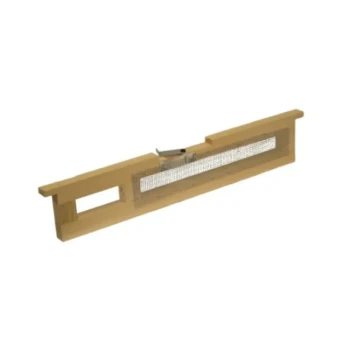
Specialized Queen Rearing Equipment functions as the cornerstone of proactive apiary management, enabling beekeepers to systematically replace aging queens to maintain peak colony performance. By facilitating a regular replacement cycle—typically every two years—this equipment directly enhances honey production by ensuring hives are led by young, vigorous queens that drive reproduction and colony stability.
The strategic application of queen rearing tools transforms beekeeping from a reactive struggle against nature into a controlled, high-yield operation. It leverages the biological advantages of young queens to suppress swarming and maximize honey yields, simultaneously reducing labor costs.
The Biological Mechanics of Hive Productivity
The Critical Role of Queen Age
The primary driver of a colony's success is the reproductive vitality of its queen. Specialized rearing equipment allows you to control this variable by replacing queens before their natural decline begins.
Maintaining a cycle of young queens ensures high reproductive rates. This constant influx of new worker bees is essential for maintaining the population density required for efficient nectar collection.
Pheromones and Colony Cohesion
Beyond laying eggs, a queen's primary method of control is chemical. Young, vigorous queens produce stronger pheromones than their older counterparts.
These potent chemical signals circulate through the hive, enhancing colony cohesion. A unified colony focuses its energy on foraging and storage rather than internal dissent or preparation for supersedure.
Operational Efficiency and Yield
Suppressing the Swarming Instinct
One of the greatest threats to honey production is the natural swarming instinct, where a portion of the bees leaves with the old queen. This cuts the workforce in half and halts production.
Using rearing equipment to introduce young queens significantly suppresses this swarming instinct. A colony with a new, strong queen is biologically programmed to focus on growth rather than division, keeping the workforce intact during critical honey flows.
Increasing Honey Yields
The mathematical result of a large population and low swarm risk is higher output. Colonies managed with regular queen renewal produce significantly higher honey yields per hive.
Reducing Labor Costs
While rearing requires skill, the systemic benefit is a reduction in overall labor. Managing a stable apiary is far less time-consuming than chasing swarms or nursing weak colonies back to health.
By preventing the chaos associated with aging queens, commercial apiaries can standardize their workflow and lower their operational costs.
Environmental Context and Hive Health
Safeguarding the Habitat
While rearing equipment manages the genetics, the physical environment supports the queen's success. Specialized hive designs utilizing non-toxic, eco-friendly materials provide a safe habitat that minimizes stress on the colony.
Monitoring and Protection
Modern colony management often pairs rearing with advanced monitoring tools. Environmental sensors help track internal conditions, ensuring the rearing environment remains optimal.
Furthermore, integrating biological control consumables helps protect the vulnerable new brood from pests and external threats. These measures reduce mortality rates and help maintain the organic quality of the honey produced.
Understanding the Trade-offs
The Requirement of Skill
Utilizing queen rearing equipment is not a passive activity; it requires a higher degree of technical knowledge than standard beekeeping. Mismanagement during the rearing phase can lead to queenless hives or weak genetics.
The Cost of Implementation
There is an upfront investment in both equipment and the time required to learn the grafting or rearing processes. However, this cost must be weighed against the long-term value of sustainable renewal and consistent honey crops.
Making the Right Choice for Your Goal
To maximize the potential of your apiary, align your equipment choices with your specific operational targets:
- If your primary focus is maximizing honey production: Prioritize rearing equipment that facilitates a strict two-year queen replacement cycle to maintain peak population and minimize swarming.
- If your primary focus is colony health and organic certification: Complement your rearing tools with non-toxic hive materials and sensor systems to minimize mortality and pesticide exposure.
Mastering the use of queen rearing equipment allows you to dictate the pace of your apiary's growth, ensuring that your colonies remain robust, cohesive, and highly productive season after season.
Summary Table:
| Key Benefit | Impact on Apiary Management | Contribution to Honey Production |
|---|---|---|
| Young Queen Replacement | Ensures high reproductive rates and colony vitality. | Maintains peak worker population for nectar collection. |
| Pheromone Control | Enhances colony cohesion and hive stability. | Focuses colony energy on foraging rather than supersedure. |
| Swarm Suppression | Prevents colony division and workforce loss. | Keeps the foraging force intact during critical honey flows. |
| Operational Efficiency | Standardizes workflows and reduces reactive labor. | Lowers labor costs while increasing output per hive. |
| Health Monitoring | Protects brood from pests and environmental stress. | Ensures organic quality and reduces mortality rates. |
Elevate Your Commercial Apiary with HONESTBEE
At HONESTBEE, we understand that specialized queen rearing is the secret to scaling a high-yield beekeeping operation. As a dedicated partner to commercial apiaries and distributors, we provide more than just tools—we provide the foundation for your success.
Our comprehensive wholesale range includes:
- Advanced Queen Rearing Kits: Precision tools for systematic queen renewal.
- Industrial Machinery: From honey-filling machines to automated hive-making equipment.
- Essential Consumables: Everything from specialized hardware to honey-themed cultural merchandise.
Whether you are looking to stabilize your colonies or maximize honey production for export, HONESTBEE supplies the full spectrum of equipment and expertise to help you grow.
Ready to optimize your production? Contact us today to explore our wholesale catalog!
References
- İsa YILMAZ, Hamza ÇELİK. Iğdır İli Bal Arısı (Apis mellifera L.) Yetiştiricilerinin Koloni Yönetimi. DOI: 10.24180/ijaws.571776
This article is also based on technical information from HonestBee Knowledge Base .
Related Products
- Retractable Chinese Queen Rearing Grafting Tools Equipment
- No Grafting Queen Rearing Kit: System for Royal Jelly Production and Queen Rearing
- Premium Nicot Style Queen Rearing Kit with Hair Roller Bee Cages
- Nicot Queen Rearing Kit for Beekeeping and Grafting in Nicot System
- Stainless Steel Beekeeping Queen Grafting Tool for Honey Bee Rearing
People Also Ask
- Which specialized tools are necessary for implementing standardized queen rearing? Scale Your High-Yield Apiary
- Why are specialized queen rearing tools necessary to mitigate winter hive losses? Boost Apiary Survival and Recovery
- What operational workflows and queen rearing tools are required for implementing instrumental insemination and isolated mating in commercial queen breeding programs?
- How do queen-rearing tools facilitate the sustainability and expansion of a commercial apiary? Drive Scalable Growth
- In what ways do modern queen rearing equipment and grafting tools improve competitiveness? Boost Breeding Success Rate