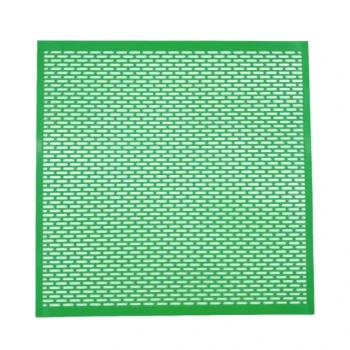
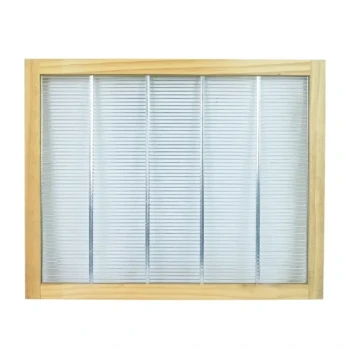
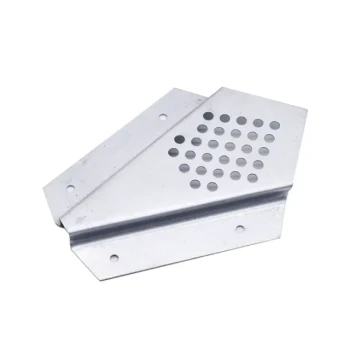
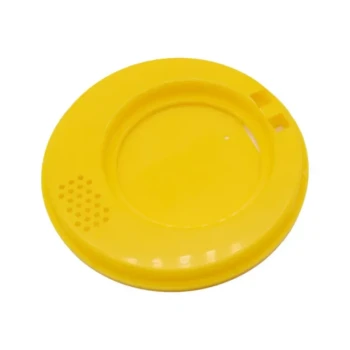
Using a queen excluder significantly increases the likelihood of a colony swarming. The device creates a physical barrier that can cause the colony to feel congested or "plugged down," which directly triggers their natural instinct to split and swarm, leading to a loss of both bees and the potential honey crop.
The use of a queen excluder introduces a management paradox: while it effectively zones the hive for organization, it artificially induces the sensation of overcrowding. This perceived congestion is a primary catalyst for swarming, especially during or after a major honey flow.
The Mechanism of Congestion
The "Plugged Down" Effect
A queen excluder functions by vertically dividing the hive and restricting the queen to specific frames. While this ensures concentrated egg-laying, it restricts the natural flow of the colony.
This restriction can make the bees feel confined within the brood chamber. Even if there is space elsewhere, the barrier creates a localized sense of overcrowding.
Triggering the Swarm Impulse
Bees are highly sensitive to population density. When the colony feels "plugged down" by the excluder, it signals that the current home is no longer sufficient.
This sensation is often the tipping point that encourages the colony to initiate swarming preparations. This frequently occurs after a major honey flow, when the population is naturally high.
Understanding the Trade-offs
The Cost of Control
The primary benefit of an excluder, as noted in research contexts, is precision. It allows for synchronized timing of larvae and keeps the queen restricted to a specific zone.
However, observations indicate that colonies where excluders were used for the entire duration of a honey flow had a much higher incidence of swarming compared to those without them.
Loss of Production
The decision to use an excluder carries a distinct economic risk. If the hive swarms due to the induced congestion, the beekeeper suffers a double loss.
You lose a significant portion of your workforce (the bees) and, consequently, the potential honey crop those bees would have produced.
Mitigation Strategies
Managing Perceived Space
If you must use a queen excluder for hive management or specific biological sampling, you must actively manage the colony's perception of space.
You do not necessarily have to remove the excluder to reduce swarming risks. Instead, you can temporarily increase the size of the brood chamber.
relieving Pressure
Expanding the brood area provides the queen and the colony with more room below the excluder.
This technique helps alleviate the feeling of being "plugged down," thereby reducing the immediate impulse to swarm while maintaining the vertical division of the hive.
Making the Right Choice for Your Goal
To balance hive management with colony retention, evaluate your primary objective:
- If your primary focus is maximizing honey production: Prioritize reducing congestion by either foregoing the excluder or aggressively expanding the brood chamber to prevent the loss of your workforce.
- If your primary focus is strict hive zoning or research: Use the excluder to ensure concentrated egg-laying and synchronized larvae, but monitor the brood nest closely for signs of overcrowding.
By managing the space below the excluder, you can maintain control without forcing your bees to find a new home.
Summary Table:
| Factor | Effect with Queen Excluder | Impact on Swarming |
|---|---|---|
| Hive Space | Creates a "plugged down" effect in the brood chamber | Increases swarm impulse |
| Queen Mobility | Restricted to specific frames for synchronized laying | Induces sense of overcrowding |
| Population Density | Localized high density below the barrier | Triggers natural split instinct |
| Honey Yield | Higher risk of losing workforce during peak flow | Potential loss of entire honey crop |
Maximize Your Colony Productivity with HONESTBEE
Don't let management tools become a bottleneck for your apiary's growth. HONESTBEE empowers commercial apiaries and distributors with high-quality beekeeping equipment designed for efficiency. Whether you need specialized hive-making machinery, precision honey-filling machines, or a full range of wholesale beekeeping tools and consumables, we provide the hardware and expertise to help you scale.
Ready to optimize your honey production and reduce colony loss?
Contact HONESTBEE Today to explore our comprehensive wholesale solutions and industrial-grade equipment tailored for your success.
Related Products
- High Performance Plastic Queen Excluder for Beekeeping and Apiary Management
- Lightweight Durable Plastic Queen Excluder Scraper for Beekeeping
- Premium Wood Framed Metal Wire Queen Bee Excluder
- Professional Plastic Queen Excluder for Modern Beekeeping
- Metal Queen Bee Excluder for Beekeeping
People Also Ask
- What are the characteristics of a plastic queen excluder? Key Benefits for Cost-Effective Beekeeping
- What are the operational and cost advantages of using plastic queen excluders over metal or wire excluders in commercial hive management? Discover how they reduce labor, prevent wing damage, and lower total costs.
- What types of queen excluders are available for beekeepers? Choose the Right Tool for Your Hive
- Why are standardized hive frames and queen excluders essential for maintaining honey purity and quality? Scale Your Purity
- Do plastic queen excluders work? A Cost-Effective Solution for Modern Apiaries