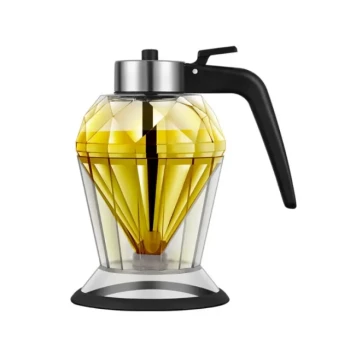
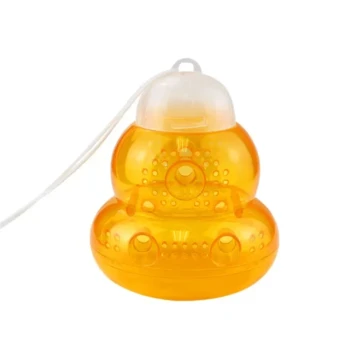
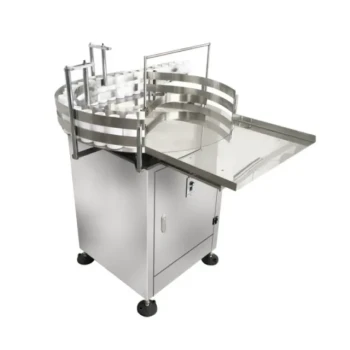
Water management equipment acts as the critical life-support system for managed pollination services in arid environments. Specifically, hardware such as automatic waterers directly impacts agricultural success by sustaining honeybee metabolism and enabling the precise regulation of internal hive temperatures. Without this infrastructure, colonies face rapid dehydration and a decline in vitality, making them physically unable to perform pollination tasks.
In water-scarce regions, hydration is not merely about survival; it is about preserving operational capacity. Specialized water management equipment safeguards the colony's ability to thermoregulate, thereby ensuring the stable crop yields required for commercial success.
The Biological Necessity of Hydration Hardware
In extreme environments, the link between mechanical water delivery and biological function is absolute.
Regulating Internal Hive Temperatures
Honeybees rely heavily on evaporative cooling to maintain a viable microclimate within the hive.
Automatic waterers provide a consistent source of moisture that bees harvest to lower internal temperatures. This hardware prevents the hive from overheating, which can kill the brood and collapse the colony's social structure.
Sustaining Bee Metabolism
Beyond cooling, water is a fundamental metabolic input.
Specialized equipment ensures that bees have immediate access to hydration without expending excessive energy searching for distant water sources. This conservation of energy allows the bees to maintain the high metabolic rates necessary for flight and foraging.
Preventing Vitality Decline
Dehydration leads to a swift reduction in "pollination vitality"—the energy and aggression with which bees forage.
By preventing dehydration, water management systems stop the physical deterioration of the workforce. This ensures the colony remains robust enough to handle the stress of arid environments.
The Impact on Agricultural Output
The ultimate value of water management equipment is measured by the stability of the harvest.
Ensuring Task Completion
A dehydrated bee cannot forage effectively.
By stabilizing the hive's hydration levels, this equipment ensures that bees retain the physical stamina to successfully complete pollination tasks. It keeps the workforce in the field rather than conserving energy in the hive.
Stabilizing Crop Yields
Consistency in pollination leads to consistency in fruit set and seed production.
The implementation of water management hardware mitigates the volatility of arid climates. This results in stabilized crop yields, transforming a high-risk environment into a manageable agricultural system.
Understanding the Operational Trade-offs
While essential, relying on specialized equipment introduces specific operational challenges that must be managed.
Infrastructure Dependency
Introducing automatic waterers creates a single point of failure.
If the equipment malfunctions in an extreme environment, the colony has no buffer. The decline in hive health can be rapid and catastrophic compared to natural foraging in wetter climates.
Maintenance Requirements
Equipment requires monitoring to function correctly.
Using this hardware shifts the labor burden from general hive inspection to technical maintenance. Operators must ensure filters are clean and lines are clear to prevent localized drought events within the apiary.
Optimizing Pollination Strategy
To maximize the benefits of managed pollination in dry climates, align your equipment use with your specific operational goals.
- If your primary focus is Crop Yield Stability: Prioritize the reliability of automatic waterers to ensure bees have the stamina to maintain consistent foraging schedules.
- If your primary focus is Colony Preservation: Focus on the volume and accessibility of water provided by the equipment to maximize the hive's ability to thermoregulate during peak heat.
Deploying reliable water management hardware is the single most effective intervention for converting arid risks into stable agricultural production.
Summary Table:
| Feature | Impact on Colony | Benefit to Pollination |
|---|---|---|
| Automatic Waterers | Enables evaporative cooling and internal temperature control | Prevents brood loss and maintains hive stability |
| Hydration Hardware | Sustains metabolic rates for flight and foraging | Enhances foraging energy and pollination vitality |
| Energy Conservation | Reduces distance traveled for water sources | Increases the number of foraging trips per day |
| Yield Stabilization | Mitigates environmental stress in arid climates | Ensures consistent fruit set and predictable harvests |
Maximize Your Apiary Efficiency with HONESTBEE
For commercial apiaries and distributors operating in challenging environments, reliable infrastructure is the difference between a thriving harvest and a lost season. HONESTBEE provides the comprehensive wholesale solutions you need to scale your operations.
From advanced water management systems and hive-making machinery to high-capacity honey-filling equipment and essential consumables, we supply the full spectrum of beekeeping tools. Our specialized hardware is designed to help you maintain colony vitality and stabilize crop yields for your clients.
Partner with HONESTBEE to secure your supply chain today.
Contact Our Sales Team for Wholesale Quotes
References
- Ruan Veldtman. Are managed pollinators ultimately linked to the pollination ecosystem service paradigm?. DOI: 10.17159/sajs.2018/a0292
This article is also based on technical information from HonestBee Knowledge Base .
Related Products
- Honey Gate Valve with Ergonomic Ball Handle Plastic Bee Honey Tap for Beekeeping Bottling and Honey Extractor Equipment
- Professional Stainless Steel Honey Filtering Machine with Water Bath Heating for Beekeeping
- Portable Uncapping Tank Holder Uncapping Bench for Beekeeping
- Stainless Steel Pail Perch Bucket Bench
- Honey Convey Pump Economy Gear Pump for Viscous Liquid
People Also Ask
- How is the flow of honey controlled using a honey gate valve? Master Precise Bottling and Extraction Techniques
- How do you adjust the flow of honey using a honey gate valve? Master Precision Control for Your Bottling Line
- What is the function of the honey gate on the honey press? Master Clean and Precise Bottling Controls
- What is a honey gate and what is its purpose? Master Precision Bottling and Waste Reduction
- Under what conditions should the honey gate be closed? Prevent Messy Spills and Ensure Extraction Efficiency