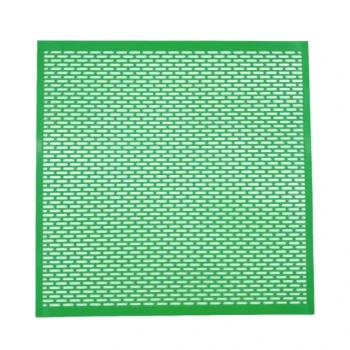
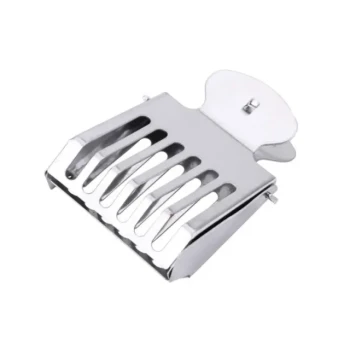
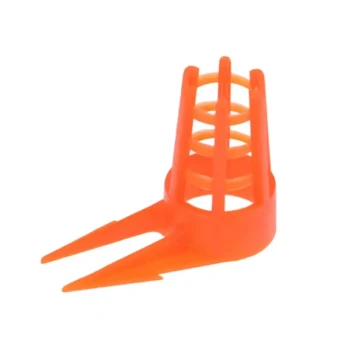
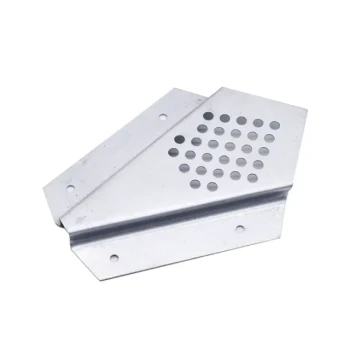
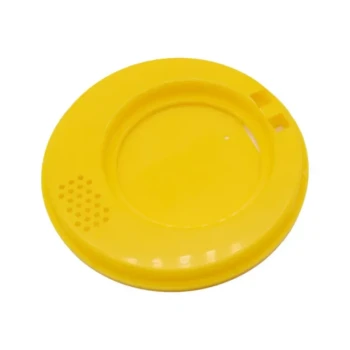
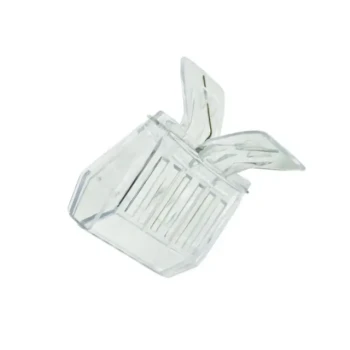
The queen excluder is a precision tool used to synchronize drone age and secure experimental samples. In research settings, it functions by restricting the queen to specific combs for timed egg-laying and acting as a barrier in rearing cages to contain drones while allowing worker bees to provide essential care.
A queen excluder serves as a dual-purpose isolation device in experimental drone rearing: it ensures precise age synchronization by controlling the queen's movement and maintains the drones' physiological needs by allowing worker access while preventing drone escape.
Strategic Egg-Laying and Age Synchronization
Restricting Queen Movement for Timed Brood
In experimental drone rearing, researchers require drones of a known, uniform age. By placing a queen excluder within the hive, the queen is restricted to a specific drone comb for a set timeframe, typically 24 hours.
This ensures that all eggs on that frame are laid simultaneously. This precise age synchronization is critical for longitudinal studies on drone development and sexual maturity.
Ensuring Sample Uniformity for Experiments
Standardized biological samples are necessary for chemical exposure or genetic experiments. The excluder allows for concentrated egg-laying positions, making it easier for technicians to track and recover larvae of the exact same age.
For distributors, providing excluders with consistent gap tolerances is vital. If the dimensions vary, the queen may bypass the barrier, compromising the entire experimental timeline.
Post-Emergence Isolation and Maintenance
Cage Construction for Rearing
Once drones emerge, they must be kept in a controlled environment to reach sexual maturity. Queen excluders are often used as the walls for rearing cages within the colony.
These cages prevent the drones from flying out and potentially drifting to other hives or getting lost. This allows researchers to maintain an accurate count and recovery of drones at a specific age.
Facilitating Worker Bee Access
Drones cannot feed themselves effectively in their early days and require worker bees for nourishment. The specific gap size of the excluder allows smaller worker bees to pass through the cage walls freely.
This ensures the drones' physiological needs are met through continuous feeding and grooming. Without this worker access, the experimental drones would suffer from malnutrition or poor health.
Field Collection and Maturity Tracking
Entrance Barriers for Mature Drones
In some studies, excluders are placed at the hive entrance to act as a physical barrier. This setup prevents drones from re-entering the hive after they return from their first flights.
Technicians use this method to manually collect developmentally mature drones. This ensures that the samples obtained are capable of flight and have reached the necessary stage for reproductive quality studies.
Enhancing Genetic Selection Pressure
For breeding operations, excluders help turn a high-hygiene colony into a dedicated drone-producing unit. By confining the queen to drone-heavy zones, breeders can increase the density of target drones at mating sites.
This level of control allows for strengthened selection pressure for desirable genetic traits. It transforms standard equipment into a strategic asset for large-scale genetic improvement programs.
Understanding the Trade-offs and Risks
The Risk of Drone Mortality
Because drones are physically larger than queens, they can easily become trapped within the excluder mesh. If a drone attempts to pass through and gets stuck, it will likely die, creating a blockage and a loss of experimental data.
Material Precision and Durability
Low-quality excluders often have inconsistent spacing or sharp edges that can damage bee wings. In a professional or research context, material integrity is non-negotiable to prevent accidental queen passage or drone injury.
Distributors should focus on high-precision manufacturing to ensure that the excluder performs its isolation function without harming the colony. Research-grade projects cannot afford the variability found in budget-tier equipment.
Selecting the Right Equipment for Research Clients
Our professional industry expertise allows us to recommend the ideal excluder configurations for your B2B clients. Selecting the right product depends on the specific goals of the research apiary.
- If your primary focus is age-synchronized rearing: Prioritize excluders with ultra-precise frame fitment to prevent "queen leaks" into other hive areas.
- If your primary focus is cage construction for drones: Opt for plastic or smooth-coated metal excluders that minimize wing damage to worker bees passing through frequently.
- If your primary focus is drone collection at the entrance: Select entrance-specific excluder gates that are easy to install and remove for rapid response during flight windows.
By offering a comprehensive full-spectrum product portfolio, you ensure that your clients have the exact tools needed for high-stakes experimental bee rearing.
Summary Table:
| Application Phase | Primary Function | Key Benefit |
|---|---|---|
| Egg-Laying | Restricting queen to specific combs | Precise age synchronization and sample uniformity. |
| Post-Emergence | Constructing in-hive rearing cages | Secure isolation while preventing drone drift or loss. |
| Maintenance | Facilitating worker bee passage | Ensures drones receive essential feeding and grooming. |
| Field Collection | Acting as entrance barriers | Efficient manual collection of developmentally mature drones. |
| Breeding | Strengthening selection pressure | Maximizes drone density for targeted genetic improvement. |
Partner with HONESTBEE for High-Precision Beekeeping Solutions
Are you looking to supply your research clients or commercial apiaries with the most reliable equipment on the market? HONESTBEE specializes in serving distributors, wholesalers, and B2B resellers with a comprehensive, full-spectrum product portfolio. From high-tolerance queen excluders designed for precise research to industrial honey-filling machines, we provide the tools that drive success.
Why Choose HONESTBEE?
- Deep Industry Expertise: We understand the technical requirements of research-grade equipment, ensuring consistent gap tolerances and material durability.
- Rapid Fulfillment: Benefit from our ultra-fast delivery and efficient order processing to keep your inventory moving.
- OEM/ODM Support: Tailor our beekeeping tools and machinery to meet your specific market needs and branding.
- Dedicated Service: Experience exceptional customer support and rapid response times from a team that understands the global beekeeping trade.
Ready to elevate your wholesale offering? Contact HONESTBEE today to request a quote and discover how our one-stop sourcing capabilities can boost your profit margins.
References
- Sylwia Łopuch, Krystyna Czekońska. Thermal preferences of honey bee drones at different ages, depending on the rearing temperature. DOI: 10.1007/s13592-025-01162-3
This article is also based on technical information from HonestBee Knowledge Base .
Related Products
- High Performance Plastic Queen Excluder for Beekeeping and Apiary Management
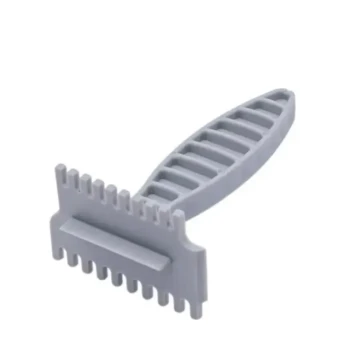
- Lightweight Durable Plastic Queen Excluder Scraper for Beekeeping
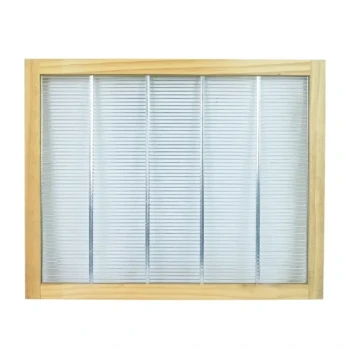
- Premium Wood Framed Metal Wire Queen Bee Excluder
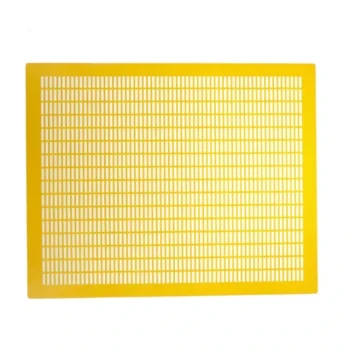
- Professional Plastic Queen Excluder for Modern Beekeeping
- Metal Queen Bee Excluder for Beekeeping
People Also Ask
- What are the characteristics of a plastic queen excluder? Key Benefits for Cost-Effective Beekeeping
- What are the operational and cost advantages of using plastic queen excluders over metal or wire excluders in commercial hive management? Discover how they reduce labor, prevent wing damage, and lower total costs.
- What types of queen excluders are available for beekeepers? Choose the Right Tool for Your Hive
- Why are standardized hive frames and queen excluders essential for maintaining honey purity and quality? Scale Your Purity
- Do plastic queen excluders work? A Cost-Effective Solution for Modern Apiaries