Allowing a queen to lay eggs in honey frames significantly compromises the quality of your harvest. When a queen accesses these frames, the resulting brood cycle leaves behind biological residue—specifically postnatal cocoons, egg remnants, and waste—which permanently discolors the comb and negatively impacts the flavor of the honey.
The most pure and best-tasting honey is harvested from frames that have never contained brood. Once a frame has been used for rearing bees, it accumulates debris that compromises the pristine nature of the final product.
The mechanics of Contamination
To understand why brood in honey supers is undesirable, you must look at what is left behind after a bee hatches.
The Formation of Postnatal Cocoons
When bee larvae develop and eventually hatch, they do not leave the cell entirely empty.
They leave behind postnatal cocoons, which are essentially the skins or casings from their development.
Accumulation of Debris
In addition to the cocoons, the cells retain other biological byproducts.
This includes egg remnants and specific types of debris, such as dirt tracked in by the worker bees tending to the brood.
Presence of Waste
The hive environment is generally clean, but brood rearing introduces waste into the cells.
The primary reference notes that feces from bees within the hive contribute to the residue found in used brood cells.
Impact on Honey Quality
The physical remnants of brood rearing have a direct effect on the honey subsequently stored in those same cells.
Discoloration of the Comb
You can visually identify frames that have housed brood by their color.
The combination of cocoons, dirt, and waste causes the wax and the structure to acquire a dark brown tint, unlike the pale yellow or white of virgin honeycomb.
Flavor Degradation
The ultimate goal of the apiarist is usually a high-quality food product.
Honey stored in dark, brood-used combs is generally considered to be of lower quality and less pure tasting than honey harvested from virgin frames.
Understanding the Trade-offs
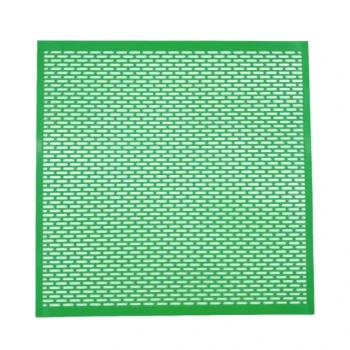
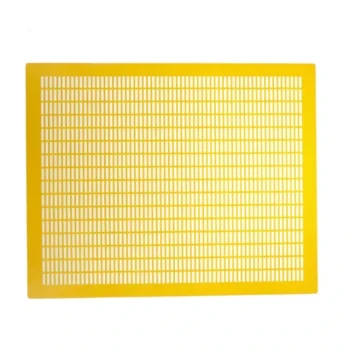
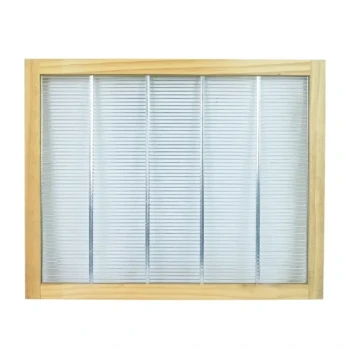
To prevent the queen from laying in honey frames, beekeepers often employ a queen excluder. While effective at maintaining honey purity, this tool introduces specific management challenges.
Restricted Worker Movement
A queen excluder creates a physical barrier that separates the brood box from the honey supers.
However, this barrier can partially block access for worker bees, potentially slowing down their ability to store nectar in the supers.
Infrastructure Issues
Bees sometimes react to the presence of the excluder by modifying their construction behavior.
It is not uncommon for bees to build comb directly on the excluder, bridging the gap between boxes and making hive inspections difficult.
Risk to Drones
The excluder is designed to stop the larger queen, but she is not the only large bee in the hive.
Larger drones often try to pass through the barrier and can become stuck and die, creating additional debris and potential blockages.
Making the Right Choice for Your Goal
Your approach to managing the queen's location depends on what you value most in your operation.
- If your primary focus is culinary quality: Prioritize keeping the queen out of honey supers to ensure clear, pure-tasting honey from virgin comb.
- If your primary focus is hive flow and ease of movement: Be aware that using an excluder to protect the honey may impede worker traffic and trap drones.
Maintain a clear distinction between brood and food zones to ensure the highest standard of harvest.
Summary Table:
| Impact Factor | Effect of Brood in Honey Frames | Resulting Honey Quality |
|---|---|---|
| Comb Color | Accumulation of cocoons, dirt, and waste | Turns dark brown/black; looks unappealing |
| Flavor Profile | Absorption of biological residues and debris | Less pure, potentially compromised taste |
| Physical Purity | Presence of postnatal cocoons and bee waste | Contains non-food biological byproducts |
| Infrastructure | Use of queen excluders may be required | Potential for drone blockage and slower nectar storage |
Maximize Your Harvest Quality with HONESTBEE
Don't let brood contamination ruin your premium honey production. At HONESTBEE, we empower commercial apiaries and distributors with the high-performance tools needed to maintain pristine honey supers.
From precision-engineered queen excluders and specialized hive hardware to automated honey-filling machines, our comprehensive wholesale range ensures your operations run smoothly and your honey remains pure. Whether you are looking for durable beekeeping machinery or essential industry consumables, our portfolio is designed to bring value to your business.
Ready to scale your apiary with professional-grade equipment?
Contact HONESTBEE Today — Your partner in professional beekeeping excellence.
Related Products
- High Performance Plastic Queen Excluder for Beekeeping and Apiary Management
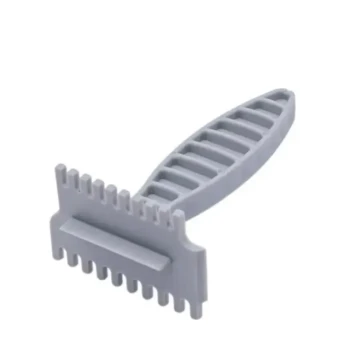
- Lightweight Durable Plastic Queen Excluder Scraper for Beekeeping
- Professional Plastic Queen Excluder for Modern Beekeeping
- Metal Queen Bee Excluder for Beekeeping
- Premium Wood Framed Metal Wire Queen Bee Excluder
People Also Ask
- What are the characteristics of a plastic queen excluder? Key Benefits for Cost-Effective Beekeeping
- What are the operational and cost advantages of using plastic queen excluders over metal or wire excluders in commercial hive management? Discover how they reduce labor, prevent wing damage, and lower total costs.
- What types of queen excluders are available for beekeepers? Choose the Right Tool for Your Hive
- Why are standardized hive frames and queen excluders essential for maintaining honey purity and quality? Scale Your Purity
- Do plastic queen excluders work? A Cost-Effective Solution for Modern Apiaries