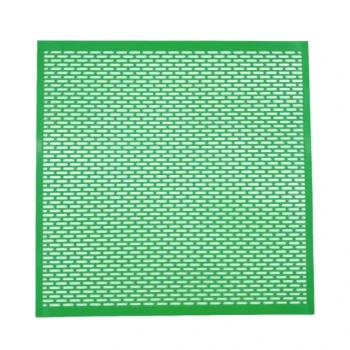
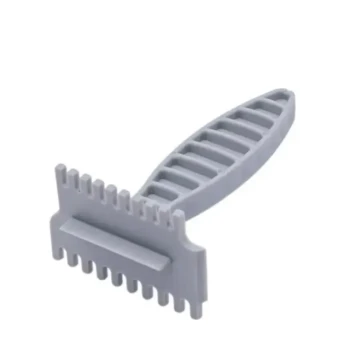
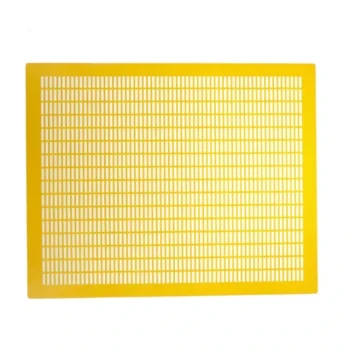
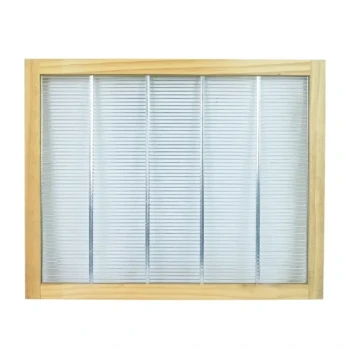
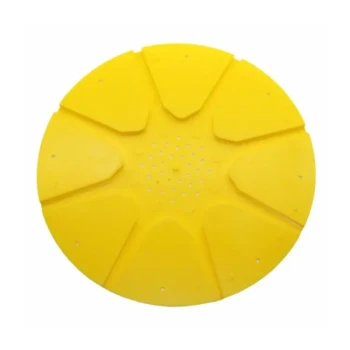
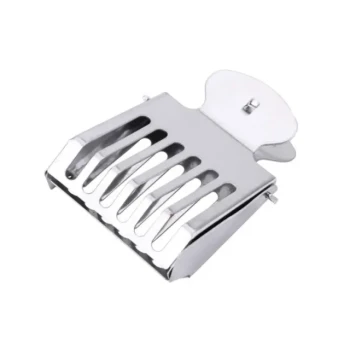
Plastic queen excluders present a distinct trade-off between initial affordability and long-term durability. They are lightweight, non-corrosive tools that effectively confine the queen without conducting heat or cold, making them thermally neutral for the colony. However, their lower price point is offset by a susceptibility to warping, difficulty in cleaning, and a risk of physical damage that often results in a shorter operational lifespan compared to metal alternatives.
The Core Takeaway: Plastic excluders are a viable, cost-effective solution for beekeepers prioritizing low initial investment and thermal insulation. However, you must accept them as semi-disposable items; their tendency to warp and degrade means they generally lack the precision and longevity required for heavy-duty or commercial applications.
The Strategic Advantages of Plastic
Cost and Weight Efficiency
The most immediate benefit of plastic excluders is their low cost. They are significantly cheaper to manufacture and purchase than metal or wood-bound wire excluders. Additionally, they are extremely lightweight, reducing the overall burden when moving equipment or managing stacks of supers.
Superior Thermal Properties
Plastic is a poor conductor of heat and cold. Unlike metal excluders, which can act as a heat sink and potentially chill the hive cluster in cooler weather, plastic remains thermally neutral. This helps maintain a stable internal hive temperature.
Corrosion and Pest Resistance
Plastic inherently does not rust, eliminating concerns about corrosion over time. Furthermore, the design of many plastic excluders lacks the crevices found in some framed metal models. This seamless construction reduces hiding spots for small hive beetles, assisting in integrated pest management.
Operational Limitations and Durability Issues
Vulnerability to Physical Damage
Plastic is far less robust than metal. These excluders are easily damaged by hive tools during routine inspections. Prying frames apart or separating boxes can accidentally crack or snap the plastic matrix.
Deformation and Sagging
One of the most critical functional issues is the tendency to warp or sag. When plastic excluders lose their rigidity, they can droop onto the frames below. This sagging restricts the "bee space," making it difficult for workers to move freely between the brood chamber and the honey supers.
Cleaning and Maintenance Challenges
Sanitizing plastic is difficult because it cannot withstand high heat. While metal excluders can be scorched or boiled to remove wax and propolis, applying heat to plastic causes it to deform permanently. Additionally, repeated exposure to gamma irradiation (often used for sterilization) can make the plastic brittle and prone to shattering.
Understanding the Trade-offs: Common Pitfalls
The "Sharp Edge" Hazard
Not all plastic excluders are molded equally. Some stamped varieties result in sharp, rough edges around the openings. These edges can injure bees as they pass through, potentially damaging their wings and shortening the lifespan of the workforce.
The Lifespan Calculation
Plastic excluders are often treated as disposable or semi-disposable items. While careful maintenance can extend their life to roughly two years, they degrade much faster than metal. Over time, the plastic may become brittle, and the gaps can become clogged with wax or propolis that is tedious to remove without heat.
Making the Right Choice for Your Goal
To decide if plastic is the right material for your apiary, consider your specific management style:
- If your primary focus is budget optimization: Plastic is the superior choice for hobbyists or startup operations where keeping initial capital costs low is critical.
- If your primary focus is wintering and thermal regulation: Plastic is advantageous because it will not conduct cold into the brood nest during temperature drops.
- If your primary focus is longevity and sustainability: Avoid plastic, as the need for frequent replacement and the inability to heat-clean them makes metal a better long-term investment.
Ultimately, plastic excluders serve as an excellent entry-level tool, provided you inspect them regularly for warping and sharp edges that could hinder your colony's productivity.
Summary Table:
| Feature | Plastic Queen Excluder | Metal/Wire Queen Excluder |
|---|---|---|
| Cost | Low (Budget-friendly) | Higher initial investment |
| Weight | Lightweight & easy to handle | Heavier & more robust |
| Thermal Conductivity | Neutral (No heat loss) | High (Potential heat sink) |
| Durability | Vulnerable to warping/cracking | High strength & longevity |
| Cleaning | Chemical/Scraping (No heat) | Heat-tolerant (Boiling/Scorching) |
| Pest Control | Low crevice design | May offer beetle hiding spots |
Scale Your Apiary with HONESTBEE Professional Equipment
Choosing the right tools is critical for commercial success. Whether you need the budget-friendly benefits of plastic or the long-term durability of metal, HONESTBEE provides a comprehensive wholesale offering tailored for commercial apiaries and distributors.
Our extensive portfolio includes everything from specialized beekeeping machinery and hive-making equipment to honey-themed cultural merchandise and essential consumables. We help you optimize your operations with high-quality supplies at scale.
Ready to upgrade your inventory? Contact HONESTBEE today to discuss our wholesale solutions and let us help you grow your beekeeping business.
Related Products
- High Performance Plastic Queen Excluder for Beekeeping and Apiary Management
- Lightweight Durable Plastic Queen Excluder Scraper for Beekeeping
- Professional Plastic Queen Excluder for Modern Beekeeping
- Plastic Queen Bee Excluder for Bee Hive Wholesale
- Professional Dual Action Queen Excluder Scraper for Beekeeping
People Also Ask
- What are the characteristics of a plastic queen excluder? Key Benefits for Cost-Effective Beekeeping
- What are the operational and cost advantages of using plastic queen excluders over metal or wire excluders in commercial hive management? Discover how they reduce labor, prevent wing damage, and lower total costs.
- What types of queen excluders are available for beekeepers? Choose the Right Tool for Your Hive
- Why are standardized hive frames and queen excluders essential for maintaining honey purity and quality? Scale Your Purity
- Do plastic queen excluders work? A Cost-Effective Solution for Modern Apiaries