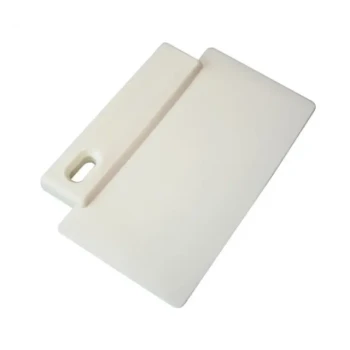
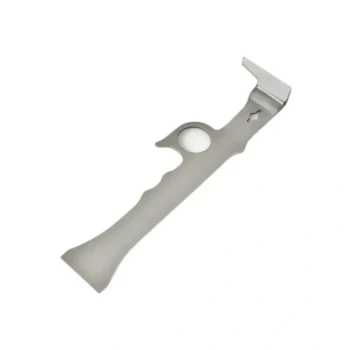
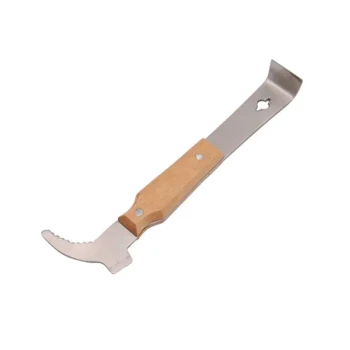
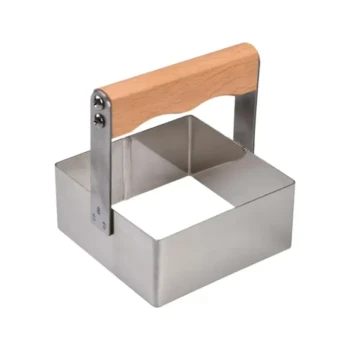
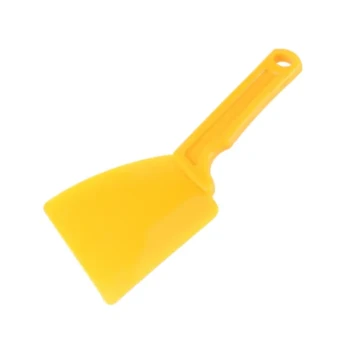
Manual harvesting in small-scale stingless bee farming is implemented by using simple extraction or squeezing tools to collect mature honey directly from internal honey pots. This process is executed with a focus on precision to ensure the core colony structure remains undamaged.
Core Takeaway Manual harvesting is a dual-purpose operation: it functions both as a collection method and a critical diagnostic tool. By physically interacting with the hive components, the beekeeper extracts honey while simultaneously evaluating the colony’s overall health and production quality, though this method requires strict protocols to prevent contamination.
The Mechanics of Manual Extraction
Targeting the Honey Pots
Unlike typical honeybees that store honey in combs, stingless bees store honey in cerumen pots. Manual harvesting involves accessing these internal pots and using simple tools to extract the contents. The primary goal is to harvest only mature honey without disturbing the brood or the structural integrity of the hive.
Diagnostic Evaluation
The manual process is inherently observational. As you access the pots, you are performing a diagnostic step to assess the colony's condition. This allows the beekeeper to gauge the volume of production and check for signs of disease or pests in real-time.
Managing Colony Defense
To facilitate this hands-on approach, beekeepers often employ a manual bee smoker. This device generates cool smoke that interferes with the transmission of alarm pheromones among worker bees. By suppressing defensive behavior, the beekeeper can inspect the hive and harvest honey with reduced stress to the colony and minimized risk of stings.
Understanding the Trade-offs
The Risk of Contamination
A significant downside to basic manual methods, specifically traditional pressing or squeezing, is the impact on honey purity. Squeezing methods often introduce environmental pollutants or result in cloudy honey. This cloudiness is usually caused by the accidental mixing of pollen, propolis, or larval fluids into the honey batch.
Moisture and Maturity Control
Manual squeezing makes it difficult to segregate honey grades effectively. There is a higher risk of mixing high-moisture immature honey with the mature harvest. This mixture can degrade the final quality of the product and lower its market value compared to more precise extraction methods.
Refining the Manual Technique
The Role of Suction Tools
To mitigate the risks of squeezing, advanced manual harvesting often incorporates small vacuum extractors or sterile pipettes. These tools are essential for specific species like Heterotrigona itama and Geniotrigona thoracica. They allow for non-contact harvesting, drawing honey out of the cerumen pots without crushing them.
Preserving Biological Integrity
Using specialized opening devices and suction tools preserves the unique honey pots. Because the pots are not destroyed during extraction (as they might be with squeezing), the colony recovery period is significantly shortened. This approach maintains the biological integrity of the hive, allowing bees to refill existing pots rather than rebuilding them from scratch.
Making the Right Choice for Your Goal
When implementing manual harvesting, your choice of specific tools dictates the quality of your output.
- If your primary focus is Equipment Cost and Simplicity: Utilize basic squeezing tools, but be vigilant about separating pollen and preventing structural damage to the hive core.
- If your primary focus is Honey Purity and Hygiene: Adopt manual suction tools or sterile pipettes to prevent contamination from propolis and ensure a clear, high-grade product.
- If your primary focus is Colony Longevity: Prioritize non-destructive opening devices that leave the cerumen pots intact, reducing the energy the colony must spend on rebuilding.
Effective manual harvesting is not just about taking honey; it is about maintaining a sustainable cycle of inspection, extraction, and rapid colony recovery.
Summary Table:
| Harvesting Aspect | Squeezing Method | Suction Method (Vacuum/Pipette) |
|---|---|---|
| Honey Purity | Moderate to Low (Cloudy) | High (Clear) |
| Equipment Cost | Very Low | Low to Moderate |
| Colony Stress | High (Destructive to pots) | Low (Non-destructive) |
| Best Used For | Basic household use | Commercial/Premium quality |
| Diagnostic Value | High | High |
Maximize Your Apiary Productivity with HONESTBEE
Transitioning from basic manual methods to efficient, high-yield beekeeping requires the right tools. HONESTBEE specializes in supporting commercial apiaries and distributors with a comprehensive range of professional-grade beekeeping machinery and equipment.
Whether you need specialized honey-filling machines to ensure purity, hive-making machinery to expand your operation, or essential consumables, we provide the hardware and expertise to scale your business.
Ready to elevate your honey production? Contact us today to explore our wholesale solutions and discover how our specialized equipment can streamline your workflow and enhance your product quality.
References
- Dika Supyandi, Iwan Setiawan. Potential of stingless bee farm for agriculturally based urban community development in Bandung, West Java. DOI: 10.1051/e3sconf/202130602048
This article is also based on technical information from HonestBee Knowledge Base .
Related Products
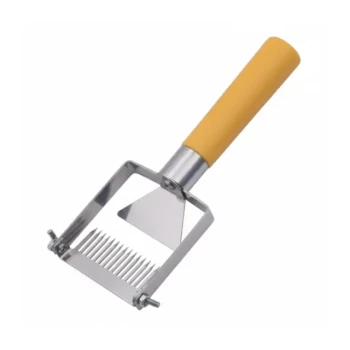
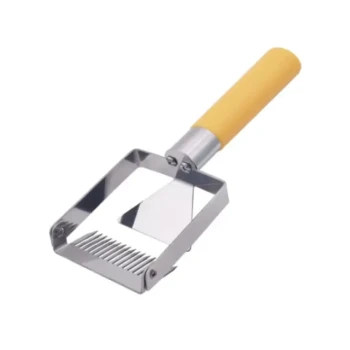
- Adjustable Stainless Steel Honey Uncapping Fork with Plastic Handle for Beekeeping
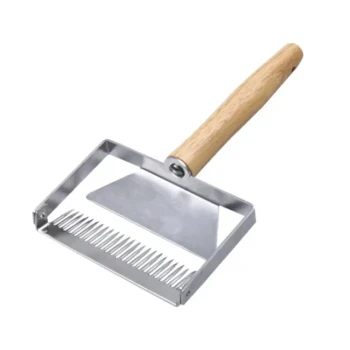
- All-Stainless Steel Pivoting Honey Uncapping Fork for Beekeeping
- Professional Stainless Steel Pry-Bar Hive Tool
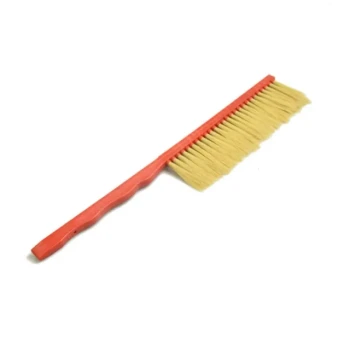
- Plastic Handle Single Row Artificial Fiber Bee Brush
- Stainless Steel Pivoting Honey Uncapping Fork with Plastic Handle
People Also Ask
- What is the design purpose of honey uncapping forks and honey uncapping tanks? Maximize Your Harvest Efficiency
- How does a honey uncapping fork supplement the use of an uncapping knife? Boost Your Honey Yield and Extraction Efficiency
- What are the essential tools for uncapping honey frames? Choose the Right Tool for Your Apiary
- What other tools are available for honey uncapping besides knives? Find the Right Tool for Your Apiary's Scale
- What tools are used for honey uncapping? Choose the Right Knife for Your Harvest