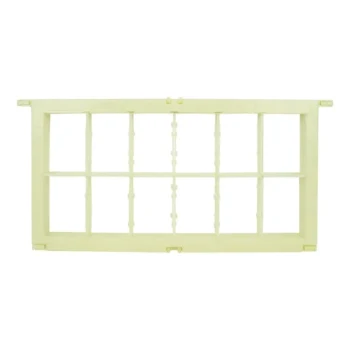
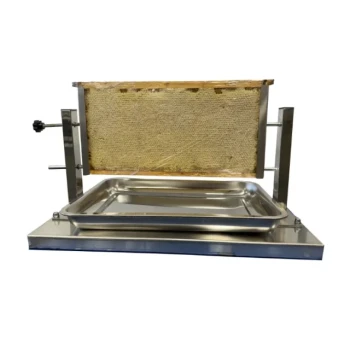
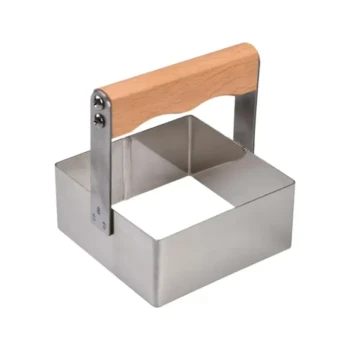
Proper preparation transforms the artificial comb box into an environment the bees perceive as natural. You must place the complete frame and comb box assembly into a robust, healthy brood box and immediately initiate a heavy feeding regimen. This process stimulates the worker bees to draw out the wax cells on the box and fill them with honey, ensuring the hardware is fully integrated into the hive's ecosystem before the breeder queen is introduced.
Core Takeaway The goal of this preparation is to mask the new hardware with the colony's own wax and food stores. By forcing the bees to draw comb and fill the box with honey in a queen-free environment, you create a polished, brood-free zone that facilitates immediate acceptance when the breeder queen is eventually released.
Conditioning the Hardware
To ensure the breeder queen is accepted and immediately begins laying, the plastic comb box must be "seasoned" by the worker bees.
Installation in a Strong Colony
You must begin by placing the complete assembly into a hive that is populous and healthy.
A weak colony will lack the workforce required to work the plastic components quickly. Only a strong colony provides the necessary heat and labor force to draw out the wax on the frame.
The Heavy Syrup Protocol
Once the frame is inserted, you must feed the colony a heavy syrup mixture.
The specific ratio required is two parts sugar to one part water. This concentration mimics a heavy nectar flow, triggering the bees' instinct to produce wax and store resources.
Drawing and Filling the Cells
Over a period of a few days, the worker bees will respond to the heavy feed by drawing out the cells on the comb box.
Crucially, they will fill these newly drawn cells with the processed sugar syrup (honey). This step coats the artificial surfaces in a biological material familiar to the bees, removing the "new plastic" smell.
Final Steps Before Introduction
Once the biological preparation of the comb is complete, you must prepare the physical frame for the queen's arrival.
Removal and Clearing
After the bees have drawn the comb and filled it with honey, remove the frame from the colony.
You must gently brush the bees off the frame. It is vital to handle the frame carefully to preserve the wax work and the honey stores inside the cells.
Verifying a Brood-Free Zone
At this stage, you must verify that no queen has had access to the box.
The box should contain honey and drawn wax, but absolutely no brood (eggs or larvae). This distinction is critical; the box serves as a blank canvas strictly for the breeder queen you intend to introduce.
Understanding the Trade-offs
While pre-filling the box is the standard for success, there are specific constraints and risks to manage.
Resource Investment vs. Speed
This process requires a significant investment of resources (sugar) and time (several days).
Skipping this step to save time often results in the queen rejecting the plastic cups or laying poorly. The "cost" of the heavy syrup is the necessary trade-off for high-quality queen acceptance.
The Biological Hazard
You must ensure the frame comes from a healthy colony.
Moving frames between colonies always carries a risk of disease transmission. Because this frame is moved from a "builder" colony to a "breeder" setup, ensure the source colony shows no signs of disease.
Hardware vs. Colony State
It is important to distinguish between preparing the frame and preparing the colony.
While the steps above prepare the hardware, you must also ensure the recipient hive is biologically ready. As noted in supplementary protocols, the hive receiving a new queen must be free of existing queens, queen cups, or cells to prevent the workers from killing the new breeder queen.
Making the Right Choice for Your Goal
How you execute this preparation depends on your specific operational constraints.
- If your primary focus is Maximum Acceptance: Ensure the bees have fully drawn the plastic cells and that they are "wet" with fresh food stores before introducing the queen.
- If your primary focus is Genetic Purity: Strictly verify that the box was isolated from any other queen during the preparation phase to ensure zero foreign eggs are present.
The most successful breeder queen introductions occur on frames that feel, smell, and taste like the colony's own established infrastructure.
Summary Table:
| Step | Action Required | Key Outcome |
|---|---|---|
| Colony Selection | Choose a robust, healthy, and populous colony | Provides necessary heat and labor to work hardware |
| Feeding Protocol | Apply heavy syrup (2 parts sugar : 1 part water) | Triggers wax production and cell drawing |
| Seasoning | Allow bees to draw comb and fill with honey | Masks plastic smell with familiar biological material |
| Inspection | Verify zero brood or foreign eggs in cells | Ensures a clean canvas for the breeder queen's genetics |
| Handling | Gently brush off bees; preserve wax/honey | Protects the prepared environment for the new queen |
Maximize Your Queen Rearing Success with HONESTBEE
High-quality queen production starts with the right equipment and expert preparation. At HONESTBEE, we specialize in supporting commercial apiaries and distributors with a full spectrum of professional-grade beekeeping tools. From precision hive-making and honey-filling machinery to essential consumables and specialized hardware like comb boxes and frames, we provide the infrastructure you need to scale your operations.
Partner with us to access wholesale solutions that enhance your efficiency and genetic purity. Contact us today to discuss your equipment needs and let HONESTBEE help you build a more productive apiary.
Related Products
- Plastic Honey Comb Frames Cassette Box for Honey
- Professional Sectional Comb Honey Frame with 250g Cassette System for Beekeeping
- Heart-Shaped Comb Honey Frame and Honeycomb Cassette
- Professional Adjustable Stainless Steel Honeycomb Display Stand
- Heavy Duty Stainless Steel Honeycomb Cutter
People Also Ask
- How are honeybee combs utilized for non-destructive colony monitoring? Master Population Density Tracking
- What is the significance of sampling honeycomb frames and hive bottoms? A Guide to Scientific Sanitation Monitoring
- What is a honeycomb frame? The Key to Modern, Sustainable Beekeeping
- What is the technical purpose of exchanging honeycomb frames? Master Apiary Equalization for Growth
- What frame to use for honeycomb? Choose the Right System for Pure, Edible Comb