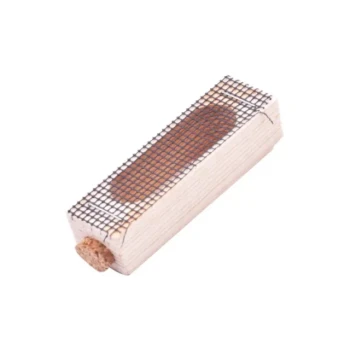
A queen bee can typically survive for over a week in a transport cage, provided specific environmental conditions are met. However, for the best outcomes regarding her health and hive acceptance, the ideal window for transport and introduction is within three days of her capture.
While queens possess the resilience to withstand transit times extending beyond seven days, time is a depleting resource. The queen's long-term viability relies heavily on consistent access to queen candy, hydration, and protection from temperature fluctuations during this period.
The Critical Variables of Queen Survival
The Ideal Timeframe
Speed is a significant factor in a successful introduction. The primary reference for optimal queen health suggests delivering and introducing the queen to her new colony within three days of her being caught.
Staying within this window minimizes stress and helps ensure she is in peak condition when released.
The Maximum Survival Threshold
Despite the three-day ideal, queens are surprisingly durable. If the logistics of transport are managed correctly, a queen can remain alive in a cage for more than a week.
This extended survival is not guaranteed by the bee's biology alone; it is entirely dependent on the external care she receives during transit.
Essential Sustenance
A queen cannot survive confinement without energy. The cage must contain adequate queen candy, which serves as her primary food source.
In addition to solid food, maintaining proper hydration is essential for her survival over extended periods.
Managing Environmental Stressors
Temperature Stability
Temperature extremes are a major threat to a caged queen. To survive the maximum timeframe, she must be kept in a stable temperature environment.
Rapid fluctuations or exposure to extreme heat or cold will drastically reduce her lifespan, regardless of food availability.
Handling Protocols
The physical handling of the cage plays a role in survival. Rough treatment can cause physical injury or fatal stress.
Correct handling ensures the queen remains calm and conserves the energy she needs to survive the confinement and eventual introduction.
The Trade-off: Survival vs. Vitality
Evaluating "Alive" vs. "Thriving"
It is crucial to distinguish between a queen who has merely survived transport and one who arrives in optimal condition.
While a queen can last over a week, pushing this limit is a trade-off. The longer she remains in the cage, the further she drifts from the "ideal" three-day window established for optimal performance.
Risk Management
Relying on the maximum survival time increases the margin for error. If food runs low or a temperature spike occurs on day six, the queen has fewer reserves to cope compared to day two.
Making the Right Choice for Your Goal
Whether you are shipping a queen or preparing to install one, you must balance logistics with biological needs.
- If your primary focus is maximum queen health and acceptance: Prioritize logistics that ensure the queen is introduced to the hive within three days of capture.
- If your primary focus is managing a delayed shipment: Verify immediately that the queen has remaining queen candy and store the cage in a temperature-stable, draft-free location to support her survival beyond the one-week mark.
Prioritize speed whenever possible, but rely on stability and nutrition to bridge the gap when delays are inevitable.
Summary Table:
| Factor | Ideal Window | Maximum Threshold | Key Requirements |
|---|---|---|---|
| Survival Time | Within 3 days | 7+ days | Continuous care |
| Nutrition | Fresh Queen Candy | Emergency Refills | High-quality sugar paste |
| Environment | Stable 18-24°C | Avoid <10°C or >30°C | No direct sunlight or drafts |
| Handling | Minimal & Gentle | Stress Reduction | Protect from vibration/impact |
Maximize Your Colony’s Success with HONESTBEE
Ensuring the vitality of your queen is the first step toward a productive season. At HONESTBEE, we understand the unique needs of commercial apiaries and distributors. We provide the professional-grade tools you need to succeed—from secure queen transport cages and specialized hardware to high-capacity honey-filling machines and comprehensive hive-making equipment.
Whether you are scaling your operation or supplying the industry, our wholesale portfolio is designed to enhance your efficiency and honey yield. Don’t let logistics compromise your hive’s health.
Contact HONESTBEE Today for Premium Beekeeping Equipment & Wholesale Solutions
Related Products
- Professional Queen Cage with Sliding Gate and Feeder Plug
- Professional Queen Bee Introduction and Transport Cage
- Professional Multi-Compartment Queen Cage with Sliding Lid
- Durable Galvanized Steel Spring Queen Bee Cage
- JZBZ Style Professional Battery Box with 20 Shipping Cages
People Also Ask
- Why are specialized queen bee cages used for the banking of mated queen bees? Maximize Commercial Apiary Storage Efficiency
- What is the mechanism of action for using temporary queen bee cages? Master Successful Queen Introduction
- How is a queen bee released from a queen cage? Ensure Safe Colony Integration & Hive Success
- What is the step-by-step process for installing a queen bee's cage onto a frame? Ensure Hive Acceptance Safely
- What technical precaution must be taken regarding the mesh or grill side of a queen bee cage? Ensure Queen Survival