Use prevention first, treatment second. Apiary managers should avoid routine, calendar-based chemical applications and instead combine regular inspections, physical hive management, nutrition, and targeted apiculture consumables. Chemical or medicinal products should be selected only when monitoring confirms a disease outbreak or significant pest pressure, then applied according to the label, local regulations, and resistance-management principles.
The objective is not to eliminate chemicals, but to use them precisely. A well-managed program treats verified risks with the least disruptive effective option while using non-chemical practices and reliable consumables to maintain colony resilience.
Build an Integrated Apiary Management Program
Start with inspection and monitoring
Routine inspections should guide treatment decisions rather than a fixed seasonal schedule. Managers should look for evidence of Varroa or other pest pressure, disease symptoms, brood problems, colony stress, and inadequate food stores.
Monitoring creates a defensible reason to treat and helps prevent unnecessary exposure to chemicals. It also provides a basis for evaluating whether a product or management change actually worked.
Strengthen colonies before problems escalate
Physical hive management and proper nutrition are the first line of defense. Maintaining appropriate hive conditions, reducing avoidable stress, and ensuring adequate nutrition can improve colony resilience and reduce the need for emergency interventions.
These practices do not replace disease or pest control when a serious problem is confirmed. They reduce the likelihood that manageable pressure develops into a severe infestation.
Use consumables as targeted management tools
Apiculture consumables can support an integrated program without automatically becoming chemical-treatment substitutes. Relevant products may include reliable delivery systems, nutrition products, inspection supplies, and treatment formats such as hung strips or gel packets.
The key is matching the consumable to the verified need. A product should make application more consistent, reduce handling errors, and support colony safety—not simply make routine treatment easier.
Select Chemical Treatments Based on Evidence
Match the product to the confirmed risk
Chemical or medicinal treatment is most appropriate when inspections identify a verified disease outbreak or severe pest infestation. Managers should consider the target pest, colony condition, brood status, climate, and the product’s approved use.
A low-cost product is not necessarily the lowest-cost decision if reduced efficacy, colony stress, residue concerns, or repeated applications create additional operational problems.
Evaluate efficacy, resistance, and bee safety together
Product selection should balance three factors:
- Efficacy: Can the treatment reliably suppress the confirmed pest or disease under the apiary’s conditions?
- Resistance risk: Has repeated use of the same active ingredient reduced effectiveness?
- Colony safety: Could the dose, formulation, or environmental conditions harm worker bees or otherwise stress the hive?
Synthetic ingredients such as tau-fluvalinate, amitraz, and coumaphos may offer low cost and prolonged activity, but over-reliance can contribute to mite resistance.
Use delivery formats correctly
Hung strips and gel packets can provide more consistent delivery than improvised application methods. However, the delivery format does not eliminate the need to follow label directions, observe timing requirements, and account for colony and environmental conditions.
Reliable consumables are especially valuable for distributors and commercial apiaries because consistency across many hives directly affects labor efficiency, treatment quality, and order planning.
Use Rotation to Manage Resistance
Avoid repeating one active ingredient
Repeated exposure to the same chemical class can select for resistant pest populations. A rotation program should use diverse, effective treatment options rather than repeatedly applying the product that is most familiar or cheapest.
Rotation should be based on different active ingredients and appropriate product instructions, not merely on changing brands with the same underlying chemistry.
Include botanical and organic options carefully
Thymol gels and hop-acid products can serve as useful rotation tools. They may help diversify control methods and reduce dependence on a single synthetic acaricide.
Their performance can vary with climate, temperature, and brood conditions. Managers should therefore judge these products by observed performance in the actual apiary rather than assuming that “natural” means universally safer or equally effective.
Reassess after treatment
Treatment should be followed by inspection or monitoring to determine whether pest pressure has declined. If the expected result is not achieved, repeating the same product without investigating the cause can increase resistance and colony stress.
Possible explanations include reduced susceptibility, unsuitable application conditions, poor delivery, or an inaccurate initial diagnosis.
Understanding the Trade-offs
Prophylactic treatment can create hidden costs
Routine chemical administration may appear efficient because it follows a predictable schedule. In practice, it can lead to treatment misuse, unnecessary expense, resistance, and hive stress.
It can also divert attention from underlying management weaknesses, such as poor nutrition, inadequate inspection, or unsuitable hive conditions.
Non-chemical management is not risk-free
Physical management and nutrition require labor, skill, and consistent execution. They may not be sufficient when a colony has a confirmed severe infestation or active disease outbreak.
The correct approach is not “chemical versus non-chemical.” It is a staged system in which non-chemical measures reduce risk and targeted treatments address problems that monitoring shows require intervention.
“Natural” does not automatically mean harmless
Botanical products and organic acids can affect worker bees when used at excessive doses or under unsuitable conditions. Volatile products such as thymol may also show variable efficacy depending on climate and brood conditions.
Every treatment category requires accurate dosing, proper delivery, and attention to colony response.
Low price should not dominate procurement
For wholesalers, distributors, and B2B resellers, the cheapest unit price may not produce the best customer outcome. Buyers also need dependable efficacy, appropriate delivery mechanisms, resistance-management options, technical guidance, and rapid replenishment.
A full-spectrum portfolio is more valuable when it helps customers build a complete program rather than forcing them to rely on one product category.
Make Sourcing Support the Management Strategy
Stock complementary product categories
A practical B2B portfolio should support the full decision cycle:
- Inspection and monitoring supplies
- Physical hive-management equipment
- Nutrition and colony-support products
- Approved chemical and medicinal treatments
- Botanical or organic rotation options
- Consistent delivery formats
- Protective and handling equipment where appropriate
This one-stop model helps apiary managers obtain the products needed for prevention, targeted intervention, and follow-up evaluation.
Prioritize technical product information
Customers need more than product names and prices. Product support should clearly communicate active ingredients, intended targets, delivery format, application requirements, storage considerations, and relevant restrictions.
Clear information helps prevent accidental duplication of active ingredients and supports more responsible treatment decisions.
Treat fulfillment as part of treatment reliability
Delayed delivery can cause customers to miss appropriate treatment windows or substitute unsuitable products. Efficient order fulfillment, rapid response times, and reliable inventory are therefore operational parts of integrated pest and disease management.
Dedicated customer service and professional expertise are particularly important when customers need to compare products or assemble a rotation plan quickly.
How to Apply This to Your Apiary or Product Portfolio
Use the following priorities to align management decisions with operational goals:
- If your primary focus is colony health: Base every chemical application on inspection evidence, use non-chemical management and proper nutrition routinely, and avoid unnecessary exposure.
- If your primary focus is resistance management: Rotate effective treatments with different active ingredients and include suitable botanical or organic options where conditions support their use.
- If your primary focus is treatment consistency: Select reliable delivery formats such as approved strips or gel packets, and control application through clear procedures and label compliance.
- If your primary focus is procurement efficiency: Build a full-spectrum supply portfolio covering monitoring, hive management, nutrition, targeted treatments, and follow-up needs.
- If your primary focus is B2B customer value: Combine competitive sourcing with technical guidance, rapid response, dependable fulfillment, and products that support an integrated program rather than routine chemical dependence.
The strongest apiary strategy uses chemicals selectively, management practices continuously, and reliable sourcing to make every intervention deliberate and effective.
Summary Table:
| Strategy | Key Actions | Benefits |
|---|---|---|
| Inspection & Monitoring | Regular checks for pests, diseases, and colony health | Informed decisions, reduced unnecessary treatments |
| Non-chemical Interventions | Physical hive management, nutrition, biological controls | Enhanced colony resilience, reduced chemical reliance |
| Targeted Consumables | Use of strips, gels, and delivery systems | Consistent application, reduced errors |
| Evidence-based Chemical Use | Apply only when disease/pest confirmed | Minimized resistance, precise treatment |
| Rotation & Resistance Management | Rotate active ingredients, include botanicals | Prevent resistance, maintain efficacy |
| Post-treatment Evaluation | Inspect to ensure effectiveness, adjust if needed | Improved success rates, lower hive stress |
Optimize your apiary's health and productivity with HONESTBEE's comprehensive range of beekeeping supplies. From monitoring tools to targeted consumables, we provide everything you need for an integrated management approach. Our full-spectrum portfolio, rapid delivery, and expert support empower you to implement sustainable practices that safeguard your colonies. Contact us today to tailor a solution that meets your operational goals and boosts your bottom line.
Related Products
- Professional 600D Oxford Cloth Beekeeping Tool Bag with 8 Pockets and Elastic Loops
- Yellow Plastic Bucket Pail Perch for Beekeeping
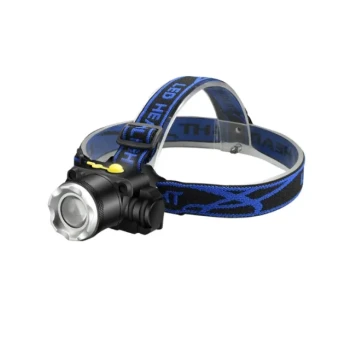
- Professional Rechargeable Beekeeping Headlamp Flashlight with Red Light Mode and Type-C Charging
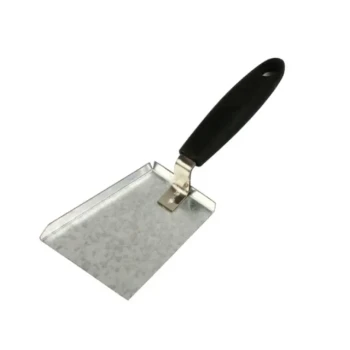
- Heavy-Duty Ergonomic Grip Galvanized Pollen Shovel
- Durable Plastic Hive Number Set for Beekeeping
People Also Ask
- What is the recommended method for storing beekeeping tools? Expert Vertical Storage Solutions for Your Apiary
- Why is the treatment of beekeeping tools with high-concentration chemical disinfectants necessary for preventing AFB?
- How does a favorable microclimate interact with beekeeping tools? Boost Overwintering Success and Equipment Longevity
- How does the genetic identification of honeybee populations influence the selection of beekeeping tools? Precision Gear Guide
- What essential beekeeping tools are needed besides the hive? Must-Have Gear for Every Apiary