Proper management of beehive components during a short-distance move requires stabilizing internal parts to prevent shifting while carefully controlling the colony's exit. To maintain hive integrity, you must ensure the internal frames and lid are secure, wear appropriate protective gear, and execute the move in small increments to allow the bees to adjust their orientation.
Short-distance relocations prioritize internal stability and gradual movement over heavy-duty external transport configurations. The primary goal is to secure frames and lids to prevent crushing bees while managing ventilation if the entrance is restricted.
Securing the Physical Structure
Stabilizing Internal Frames
The most critical physical risk during a move is the shifting of internal components. You must ensure that internal beehive frames are absolutely secure before lifting or sliding the hive.
Loose frames can swing or slide during movement. This shifting can crush bees between the combs and damage the structural integrity of the wax.
Securing the Lid
The hive lid must be fastened tightly to the body of the hive. This prevents the lid from sliding off or jarring open, which would expose the colony and compromise the hive's internal climate.
External Strapping Requirements
For minor, short-distance movements, full external strapping may not be required. While long-distance transport demands heavy strapping, short moves generally rely on the inherent stability of the secured lid and frames, provided the move is handled gently.
Managing the Colony Environment
Controlling the Entrance
To prevent bees from escaping and becoming agitated during the actual move, you can block the beehive entrance. This keeps the colony contained and makes handling the box safer for the beekeeper.
Preventing Overheating
There is a critical risk associated with blocking the entrance: heat buildup. If you choose to close the entrance, you must take active measures to prevent the colony from overheating, as a sealed hive can reach lethal temperatures quickly.
Personal Protective Equipment
Regardless of the distance, the beekeeper must wear full protective gear. Disrupting a hive, even for a short move, can trigger a defensive response from the colony.
Common Pitfalls to Avoid
Ignoring Reorientation Needs
You cannot simply pick up a hive and move it to a nearby location in one go. You must move the beehive in small increments. This allows the bees to gradually reorient themselves to the new position; otherwise, returning foragers will be unable to locate the hive.
Ventilation Neglect
A common error is sealing the hive for safety without accounting for airflow. Blocking the entrance without ensuring alternative ventilation or moving quickly can suffocate the colony or cause a meltdown of the wax structure due to heat.
Making the Right Choice for Your Goal
To execute a successful relocation without compromising the hive, apply these specific strategies:
- If your primary focus is Structural Integrity: Prioritize securing internal frames and fastening the lid to prevent any internal shifting or crushing of bees.
- If your primary focus is Colony Retention: Block the entrance to keep bees contained, but immediately monitor for signs of overheating to prevent suffocation.
- If your primary focus is Forager Orientation: Move the hive in very small increments over time rather than one single move, ensuring bees can always find their way home.
Secure your components, respect the bees' need to reorient, and monitor temperature to ensure a safe transition.
Summary Table:
| Aspect | Management Strategy | Key Priority |
|---|---|---|
| Internal Frames | Ensure frames are tight and secure | Prevent bee crushing & comb damage |
| Hive Lid | Fasten tightly to the hive body | Maintain internal climate & security |
| Entrance | Block temporarily or move incrementally | Manage forager orientation & safety |
| Ventilation | Maintain airflow if entrance is blocked | Prevent colony overheating & wax meltdown |
| Movement | Move in small daily increments | Ensure foragers can relocate the hive |
Scaling Your Beekeeping Operations with HONESTBEE
Moving hives efficiently is just one part of managing a successful apiary. At HONESTBEE, we specialize in supporting commercial apiaries and distributors with high-quality, professional-grade solutions. Whether you need robust hive-making machinery, precision honey-filling equipment, or a steady supply of essential beekeeping tools and consumables, our comprehensive wholesale portfolio is designed to enhance your operational efficiency.
From specialized hardware to honey-themed cultural merchandise, we provide the tools you need to grow your business and protect your colonies. Contact us today to discuss your wholesale needs and see how HONESTBEE can streamline your beekeeping production.
Related Products
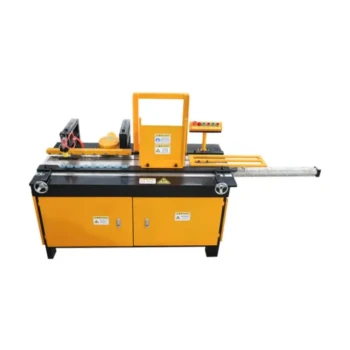
- Beehive Handle and Frame Rest Cutting Machine: Your Specialized Hive Machine
- Steel Round Disc Entrance Reducer for Flexzion Bee Hive Nuc Box Gate
- Metal Bee Hive Stand Bee Box Stand for Beekeeping
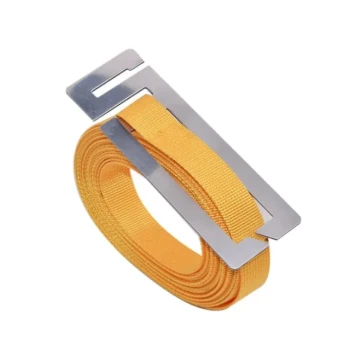
- Heavy-Duty Nylon Beehive Hive Strap with Stainless Steel Cinch Buckle
- Stainless Steel Round Beehive Air Vents for Ventilation
People Also Ask
- What is the importance of specialized beehive-making machinery? Ensure Precision for Sensor-Based Hive Monitoring
- How do bee hive handles facilitate the evaluation of food stores? Use the Lift Test for Winter Survival
- How do specialized beehive handling machines contribute to efficiency? Streamline Your Mobile Beekeeping Logistics
- How do professional beehive and frame manufacturing machines contribute to commercial apiary management? Boost Efficiency
- What are the standard dimensions for frame rests in a beehive? Essential Guide for Perfect Bee Space