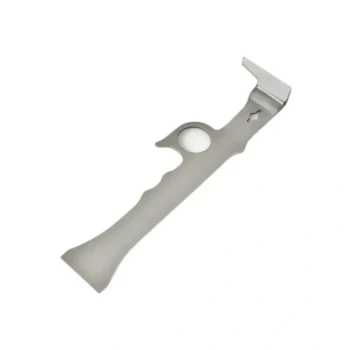
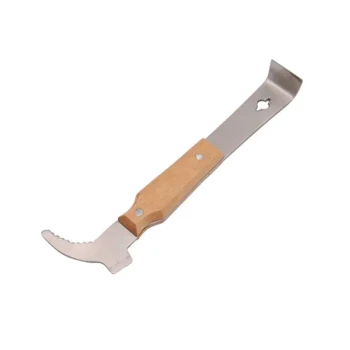
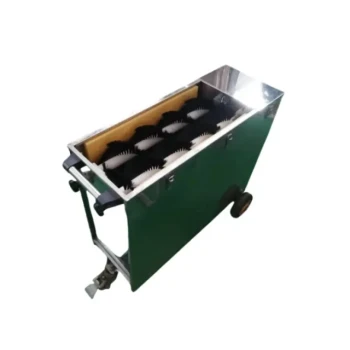
Precise alignment between equipment capacity and apiary scale is the deciding factor in operational stability. Beekeeping tools must be chosen based on your specific tier of operation, ranging from hobbyist to semi-commercial. For semi-commercial setups managing 51 to 100 colonies, success requires shifting from manual tools to high-level mechanization, such as automated honey extractors and professional transport equipment.
Proper equipment selection is not merely a matter of convenience; it is a strategic necessity to optimize labor efficiency and prevent colony loss. As operations scale, increasing mechanization is the only viable way to counteract rising labor costs and ensure standardized production.
The Hierarchy of Operational Scale
Defining the Semi-Commercial Threshold
You must clearly define where your operation sits on the spectrum of scale. The critical transition point often occurs when managing between 51 to 100 colonies, a range typically classified as semi-commercial.
The Necessity of Mechanization
At this semi-commercial stage, manual processes become unsustainable liabilities. To maintain viability, you must integrate higher levels of mechanization into your workflow.
Essential Upgrades for Scale
For operations exceeding 50 colonies, investment should shift toward automated honey extractors and specialized transport vehicles. These tools are no longer luxuries but requirements to handle the volume of biomass and product efficiently.
Drivers of Equipment Selection
Reducing Labor Intensity
The primary goal of upgrading machinery is to reduce the physical labor required per hive. Specialized tools allow you to expand production scales effectively without being limited by the rising costs and physical constraints of human labor.
Standardization and Hygiene
Professional machinery offers a level of consistency that manual tools cannot match. utilizing industrial-grade equipment ensures high hygiene standards during extraction and achieves standardized production metrics across the apiary.
Solving Practical Challenges
The beekeeping industry is driven by innovation tailored to specific operational hurdles. You should look for specialized inventions designed to solve your unique practical problems, rather than relying on generic tools that may not fit your specific workflow.
Understanding the Trade-offs and Requirements
The Storage Burden
Investing in machinery introduces a significant logistical challenge regarding storage. Equipment must be housed in a dry, well-ventilated location to prevent mold growth caused by humidity.
Security and Pest Management
Your storage facility must be secure to protect your capital investment. Furthermore, it requires active pest control, specifically traps or deterrents, to prevent rodents and wax moths from damaging stored components.
The Skill Gap and Training
Owning advanced machinery is useless without the knowledge to operate it. Without professional training and standardized operating procedures, there is a high risk of resource waste and improper handling that negates the efficiency gains of the hardware.
Making the Right Choice for Your Goal
Before making a purchase, assess your current colony count and your growth trajectory.
- If your primary focus is expanding to a semi-commercial scale: Prioritize automated extractors and transport equipment once you approach the 51-colony mark to manage labor intensity.
- If your primary focus is asset protection: Ensure you have a secure, climate-controlled, and pest-free facility ready before acquiring industrial-grade machinery.
- If your primary focus is operational efficiency: Invest in professional training to master standardized procedures, ensuring you get the maximum yield performance from your new hardware.
Match your machinery to your colony count to turn physical labor into mechanical leverage.
Summary Table:
| Operational Scale | Colony Count | Recommended Equipment Level | Key Priorities |
|---|---|---|---|
| Hobbyist | 1 - 10 | Basic manual tools | Low cost, simplicity |
| Small Scale | 11 - 50 | Power-assisted tools | Ergonomics, basic efficiency |
| Semi-Commercial | 51 - 100 | High mechanization (Auto extractors) | Labor reduction, standardization |
| Commercial | 100+ | Industrial machinery & fleet | Peak hygiene, mass production |
Scale Your Apiary with HONESTBEE Precision Equipment
Transitioning from a hobbyist to a commercial-scale operation requires more than just more hives—it requires the right infrastructure. HONESTBEE empowers commercial apiaries and distributors with a complete range of professional-grade beekeeping tools and machinery.
Whether you need automated honey-filling machines, industrial-scale hive-making hardware, or essential consumables to sustain your colonies, we provide the wholesale solutions you need to minimize labor costs and maximize output.
Ready to elevate your production standards? Contact us today to discover how our comprehensive equipment portfolio can transform your beekeeping business.
References
- Amr Farouk Ibrahim Moustafa, Mohamed I. Mabrouk. ESTIMATE THE LOSSES OF HONEY BEE COLONIES AND THEIR POTENTIAL CAUSES WITHIN THE BEEKEEPERS AT NEW VALLEY GOVERNORATE DURING TWO YEARS SURVEY BY USING QUESTIONNAIRE METHOD.. DOI: 10.21608/jppp.2014.87922
This article is also based on technical information from HonestBee Knowledge Base .
Related Products
- HONESTBEE 15-in-1 Beekeeper Multi-Tool with Hammer and Pliers for Beekeeping
- HONESTBEE Classic Pry Bar Hive Tool with High Visibility Finish for Beekeeping
- Stainless Steel J Hook Hive Tool for Beekeeping
- Stainless Steel Queen Grafting Tool for Beekeeping and Bee Queen Grafting
- HONESTBEE Advanced Ergonomic Stainless Steel Hive Tool for Beekeeping
People Also Ask
- What is the recommended method for storing beekeeping tools? Expert Vertical Storage Solutions for Your Apiary
- How does a favorable microclimate interact with beekeeping tools? Boost Overwintering Success and Equipment Longevity
- Why is the treatment of beekeeping tools with high-concentration chemical disinfectants necessary for preventing AFB?
- How does the stable local supply of beekeeping tools affect technology adoption? Building Sustainable Apiaries
- What role do specialized beekeeping tools play in pest management? Enhance Apiary Health with Precision Tech