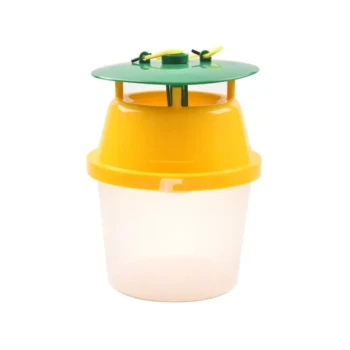
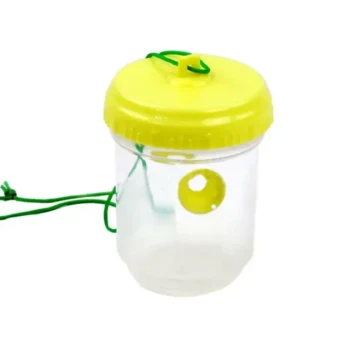
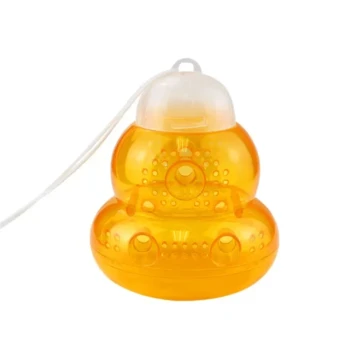
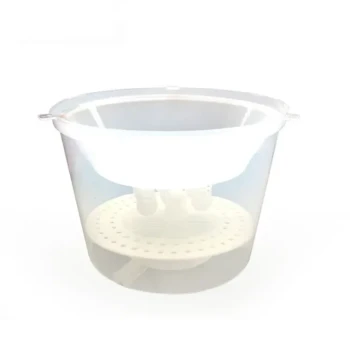
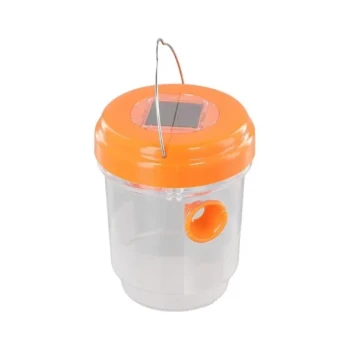
The use of beetle traps is specifically recommended for colonies that are temporarily weakened and therefore more susceptible to infestation. You should prioritize their installation in hives that have recently been split or in nucleus colonies (nucs) that are currently in the process of building up their population.
The vulnerability of a hive is directly linked to its population density. Beetle traps serve as a critical mechanical defense for growing or recovering colonies that lack the sufficient workforce to police pests naturally.
Why Vulnerable Colonies Require Intervention
Protecting New Splits and Nucs
Colonies that have recently undergone a split or are starting as nucleus colonies (nucs) are the primary candidates for beetle traps.
These hives possess a lower population density relative to the space they occupy.
Without a full workforce, the bees cannot effectively patrol every frame or corner of the hive, leaving openings for beetles to reproduce.
Supporting Recovering Hives
Any colony suffering from temporary weakness—whether due to queen issues, disease, or environmental stress—should be equipped with traps.
The traps act as a supplementary defense system.
This mechanical aid reduces the pressure on the colony, allowing them to focus resources on population growth rather than defense.
Maximizing Trap Effectiveness
Proper Placement Strategy
For standard handheld traps, placement is key to success.
These should be inserted between the top bar frames within the hive body.
Bees naturally chase beetles into tight crevices; placing traps between frames capitalizes on this behavior, causing beetles to fall into the reservoir.
Operational Setup
Simple handheld traps are generally effective when filled with a small quantity of vegetable oil.
The oil acts as a drowning agent that is safe for the bees but lethal to the beetles.
Scaling for Infestation Severity
You must assess the current level of beetle activity to determine the necessary number of traps.
For standard prevention in a nuc, a single trap may suffice.
However, if you detect a severe infestation, it is highly recommended to install two traps per hive box to ensure adequate coverage.
Understanding the Trade-offs
Maintenance is Mandatory
Beetle traps are not a "set and forget" solution.
To maintain efficiency, you must inspect the traps regularly to remove dead beetles and replenish the oil or attractant.
A neglected trap can become ineffective or, in worst-case scenarios, a harbor for the very pests you are trying to eliminate.
Traps Are Only Part of the Solution
While traps are effective mechanical tools, they cannot compensate for poor management elsewhere.
They must be combined with holistic pest solutions, primarily the goal of maintaining strong, stress-free colonies.
If a colony is permanently weak rather than temporarily recovering, traps alone will not save it.
Integrating Traps into Your Management Plan
Beetle management requires adapting your strategy based on the specific phase of your colony's lifecycle.
- If your primary focus is establishing new colonies: Install traps immediately in all nucs and fresh splits to protect them during their vulnerable growth phase.
- If your primary focus is managing a severe infestation: Increase trap density to two units per box and commit to a rigorous inspection schedule to clear caught beetles.
- If your primary focus is general maintenance: Use traps as a monitoring tool, but rely on strong colony population as your primary defense against pests.
By deploying traps strategically during moments of colony weakness, you bridge the gap between vulnerability and a fully self-sustaining hive.
Summary Table:
| Recommended Situation | Why Traps are Necessary | Recommended Trap Density |
|---|---|---|
| New Splits & Nucs | Low population density cannot patrol all frames | 1 trap per box |
| Recovering Colonies | Weakened by disease, stress, or queen issues | 1-2 traps per box |
| Severe Infestations | High pest pressure exceeds natural colony defense | 2 traps per hive box |
| Growth Phases | Supports bees as they focus on population buildup | 1 trap per box |
Secure Your Apiary's Success with HONESTBEE
Protecting your investment during vulnerable growth phases requires the right tools. At HONESTBEE, we specialize in supporting commercial apiaries and distributors with a complete spectrum of high-quality beekeeping equipment. From essential consumables like beetle traps and vegetable oil reservoirs to heavy-duty hive-making and honey-filling machinery, our wholesale offerings are designed to scale with your business.
Why partner with HONESTBEE?
- Comprehensive Inventory: One-stop shop for tools, hardware, and industry consumables.
- Commercial Scale: Tailored solutions for large-scale operations and distributors.
- Growth-Focused: Our products, including specialized honey-themed cultural merchandise, help you build a stronger brand.
Don't let pests compromise your colonies. Contact us today to discover how our wholesale beekeeping solutions can enhance your operational efficiency and protect your hives.
Related Products
- Black Plastic Beetle Barn Hive Beetle Trap for Beehives
- Reusable Aluminium Beetle Trap for Small Hive Beetles Silver Bullet
- Removable Washable Hive Beetle Trap Attractants for Small Hive Beetles
- Plastic Beetle Blaster Trap Beekeeping Tools and Supplies
- Reusable Clear Small Hive Beetle Traps for Beehives Beetle Trapping Tools
People Also Ask
- How should powdered substances be used in beetle traps for hive beetle control? Expert Guide for Maximum Colony Protection
- What are the three main types of hive beetle traps? Expert Solutions for Protecting Your Bee Colonies
- What are the types of hive beetle traps available? Master Your Beetle Control Strategy
- What are the main types of hive beetle traps available? A Beekeeper's Guide to Effective Control
- What mechanical methods can be used to manage small hive beetles? Effective Physical Solutions for Your Beehive