Mechanical management of small hive beetles relies on physical devices placed directly within the colony to block, trap, or immobilize the pests. The three primary methods available to beekeepers are the installation of beetle baffles to restrict entry, the use of specialized traps to contain adults, and the application of unscented dryer sheets to entangle them.
Core Takeaway Mechanical controls function by physically excluding beetles or immobilizing those that breach the hive defenses. Unlike chemical treatments, these methods avoid the risk of building pest resistance and focus on reducing the adult beetle population through physical barriers and entanglement.
Blocking Access and Entry
The most proactive mechanical method involves stopping the beetles before they can establish a foothold in the colony.
The Role of Beetle Baffles
Beetle baffles serve as a perimeter defense for the hive. These devices are installed to physically block the entry points that beetles typically use.
By restricting access, baffles prevent the beetles from crawling into the hive structure, significantly reducing the number of pests the colony must defend against.
In-Hive Entrapment Methods
Once beetles have bypassed the outer defenses, mechanical management shifts to trapping and immobilization.
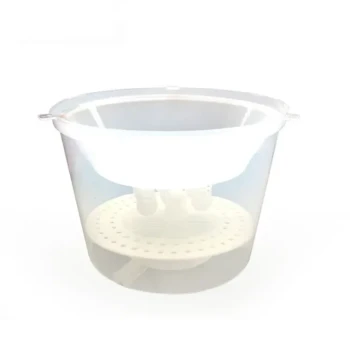
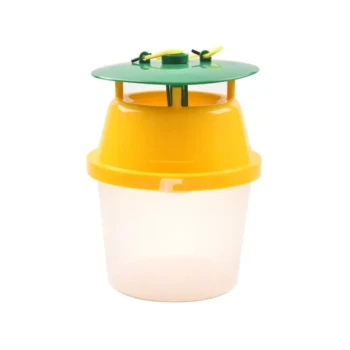
Specialized Beetle Traps
Beekeepers often employ specialized traps placed inside the hive boxes.
These devices are designed to attract beetles into a containment area. Once the beetles crawl inside these traps, they are unable to escape, preventing them from reproducing or damaging the comb.
Unscented Dryer Sheets
A common, accessible mechanical solution involves the use of fibrous sheets, specifically unscented dryer sheets.
These are placed on top of the frames within the hive body. They act as a sticky trap without the use of adhesive.
How Entanglement Works
The effectiveness of dryer sheets lies in their texture. As the beetles walk across the material, their feet become entangled in the fibrous loops of the cloth.
Once their legs are caught, the beetles are immobilized. They are unable to continue circulating through the hive to feed or lay eggs, eventually dying in the trap.
Understanding the Trade-offs
While mechanical methods are effective, understanding their context relative to other control methods is essential for a healthy apiary.
Preventing Chemical Resistance
A major advantage of mechanical traps is that they do not introduce chemicals into the hive during the honey flow.
Chemical treatments, such as Coumaphos (used on empty boxes), can lead to beetles developing resistance if used too frequently. Mechanical methods remain effective indefinitely because pests cannot develop a biological resistance to physical traps.
addressing the Lifecycle Limits
Mechanical methods within the hive strictly target adult beetles.
It is important to note that these methods do not address the larval stage that occurs outside the hive. Beetle larvae leave the hive to pupate in the ground. While in-hive mechanical traps catch adults, they must often be paired with external soil management to break the full reproductive cycle.
Making the Right Choice for Your Goal
Select the mechanical method that best fits your current infestation level and management philosophy.
- If your primary focus is prevention: Install beetle baffles to physically block pests from entering the hive structure in the first place.
- If your primary focus is managing an active population: Utilize unscented dryer sheets or specialized traps to capture and kill adult beetles already circulating on the frames.
- If your primary focus is long-term sustainability: Prioritize these mechanical barriers over chemical treatments to avoid creating pesticide-resistant beetles.
Mechanical intervention provides a safe, physical line of defense to keep your colonies productive and pest-free.
Summary Table:
| Method | Function | Key Benefit |
|---|---|---|
| Beetle Baffles | Physical barrier at hive entry | Prevents beetles from entering the hive structure |
| Specialized Traps | In-hive containment devices | Captures and kills adults without chemicals |
| Dryer Sheets | Fibrous entanglement on frames | Immobilizes beetles by trapping their legs in fibers |
| Soil Management | External lifecycle disruption | Complements mechanical methods by targeting larvae |
Elevate Your Beekeeping Operation with HONESTBEE
Protecting your colonies from small hive beetles is critical for maintaining a productive apiary. HONESTBEE is dedicated to supporting commercial apiaries and distributors by providing the industry's most reliable beekeeping tools and machinery.
Whether you need precision honey-filling machines, durable hive-making equipment, or a steady supply of essential consumables, our wholesale solutions are designed to scale your business and protect your investment.
Ready to optimize your apiary’s performance? Contact us today to explore our comprehensive product catalog and see how our expertise can drive your success.
Related Products
- Black Plastic Beetle Barn Hive Beetle Trap for Beehives
- Reusable Clear Small Hive Beetle Traps for Beehives Beetle Trapping Tools
- Removable Washable Hive Beetle Trap Attractants for Small Hive Beetles
- Reusable Aluminium Beetle Trap for Small Hive Beetles Silver Bullet
- Plastic Beetle Blaster Trap Beekeeping Tools and Supplies
People Also Ask
- How should powdered substances be used in beetle traps for hive beetle control? Expert Guide for Maximum Colony Protection
- What are the three main types of hive beetle traps? Expert Solutions for Protecting Your Bee Colonies
- What are the types of hive beetle traps available? Master Your Beetle Control Strategy
- What are the main types of hive beetle traps available? A Beekeeper's Guide to Effective Control
- In what situations is the use of beetle traps particularly recommended? Essential Protection for Vulnerable Bee Hives