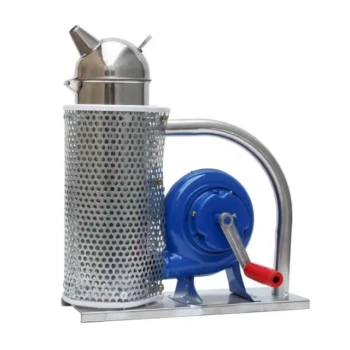
To clean the bellows and nozzle safely, you should wipe down the bellows with a damp cloth or sponge to remove surface dirt, taking strict care not to saturate or damage the delicate leather or fabric components. For the nozzle, use a cloth or sponge dipped in warm soapy water to thoroughly dissolve residue, ensuring the opening remains completely clear of obstructions for proper airflow.
Core Takeaway: The goal of cleaning is to maintain clear airflow and material integrity. While the metal nozzle requires thorough cleaning to remove creosote obstructions, the bellows require a gentle touch to prevent water damage to the leather or fabric that provides the air pressure.
Protecting the Bellows
The bellows are the engine of your smoker, often made of leather, vinyl, or fabric. Because these materials are susceptible to water damage and rot, cleaning them requires a conservative approach.
Gentle Surface Cleaning
Use a damp cloth or sponge to wipe away dirt and grime from the exterior of the bellows.
Avoid Saturation
Never submerge the bellows in water. The cloth should be damp, not dripping. Excess moisture can stiffen leather or cause fabric to deteriorate, leading to cracks and air leaks.
Clearing the Nozzle
The nozzle directs the smoke and is most prone to clogging from creosote and soot. If this airway is obstructed, the smoker becomes ineffective.
Using Warm Soapy Water
Dip a cloth or sponge into warm soapy water to clean the nozzle. The warmth helps soften hardened resin and creosote, making it easier to wipe away.
Ensuring Airway Clearance
Focus your cleaning on the interior of the nozzle cone. You must ensure that no soot or debris is blocking the path, as this is critical for directing smoke accurately into the hive.
Preparation and General Maintenance
Before focusing on the specific components, you must ensure the device is safe to handle and prepared for cleaning.
Cool and Empty First
Always wait for the smoker to cool down completely. Remove all leftover burnt materials and ashes before applying water or cleaning solutions.
Addressing Stubborn Buildup
For internal residue that a sponge cannot remove, specifically inside the fire chamber or the nozzle interior, you may need to use a wire brush or a hive tool. Use these tools to scrape out built-up residue, but apply force carefully to avoid warping the metal.
Inspecting the Firebox Lip
Use a hive tool to scrape residue from the lip of the firebox. This ensures the lid (and nozzle) can close tightly, which is essential for directing airflow through the nozzle rather than leaking out the sides.
Avoiding Common Maintenance Mistakes
Improper cleaning techniques can shorten the lifespan of your equipment. Adhere to these principles to avoid accidental damage.
Avoid Harsh Chemicals
Do not use harsh industrial cleaners, as these can leave residues that may contaminate the hive environment. If you encounter rust, use a natural mixture of equal parts vinegar (or lemon juice) and water to gently scrub the area.
Dry Thoroughly
After cleaning, allow the smoker to dry completely before storing it. Storing a damp smoker, particularly in winter, invites rust on metal parts and mold on the bellows.
Periodic Maintenance
While a deep clean is recommended annually, you should perform light cleaning every few uses or whenever you notice it becoming difficult to light or maintain a consistent puff of smoke.
How to Apply This to Your Maintenance Routine
Consistent care prevents the need for difficult, abrasive cleaning later.
- If your primary focus is daily maintenance: Wipe the bellows and wash the nozzle with soapy water after every few uses to prevent heavy creosote buildup.
- If your primary focus is restoration: Use a vinegar solution on rusted areas and a wire brush for internal firebox deposits, then rinse and dry thoroughly.
- If your primary focus is longevity: Store the smoker and fuel in a dry place during winter to prevent rust and material degradation.
A well-maintained smoker is not just a tool; it is a safety device for both you and your bees.
Summary Table:
| Component | Material | Cleaning Method | Key Maintenance Goal |
|---|---|---|---|
| Bellows | Leather, Vinyl, Fabric | Wipe with damp cloth; do not saturate | Maintain air pressure and material integrity |
| Nozzle | Metal | Warm soapy water and sponge | Clear creosote and soot to ensure airflow |
| Firebox Lip | Metal | Scrape with hive tool | Ensure airtight seal for smoke direction |
| Rust Spots | Metal | Vinegar and water solution | Prevent structural deterioration |
Maximize Your Apiary Productivity with HONESTBEE
A reliable smoker is essential for hive management, but high-quality tools are the foundation of a successful business. At HONESTBEE, we specialize in supporting commercial apiaries and distributors with a comprehensive wholesale selection of professional beekeeping solutions.
From durable smokers and specialized beekeeping tools to industrial-grade hive-making and honey-filling machinery, our portfolio provides everything your business needs to scale. We also offer a diverse range of industry consumables and honey-themed cultural merchandise to help you stand out in the market.
Ready to upgrade your equipment or stock your distribution center? Contact us today to discover how our wholesale expertise and premium hardware can drive your success.
Related Products
- Professional Bee Smoker with Elongated Spout and Durable Bellows for Beekeeping
- Premium Traditional Copper Bee Smoker with Bellows
- Heavy-Duty Bee Smoker with Durable Plastic Bellows for Beekeeping
- All-Weather Plastic Bellows for Bee Smokers
- Professional Replacement Bee Smoker Bellows for Beekeeping Equipment
People Also Ask
- What roles do bee smokers and precision tools play in honey harvesting? Master Safety and Quality Control
- Why is the use of professional bee smokers and specialized fuel essential? Protect Honey Purity & Colony Safety
- Why is a professional bee smoker considered an essential tool for hive management and safety? Master Colony Control.
- Why is a professional bee smoker essential for hive maintenance? Master Colony Control & Safety
- How do professional bee smokers facilitate bee management? Enhancing Forest Beekeeping Safety and Efficiency