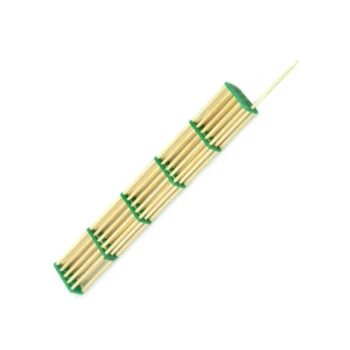
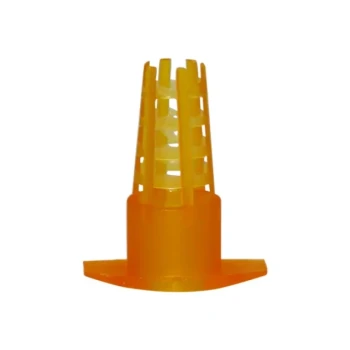
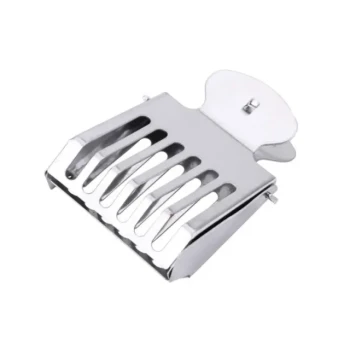
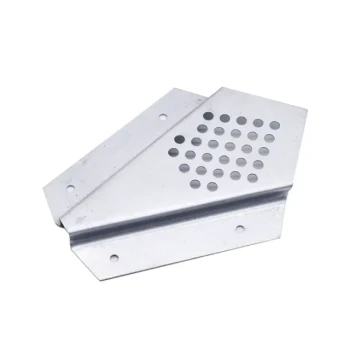
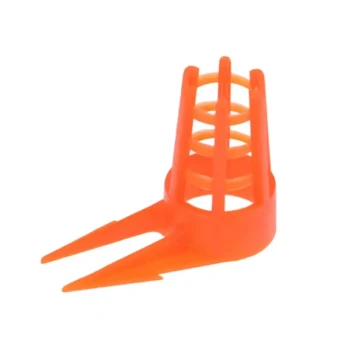
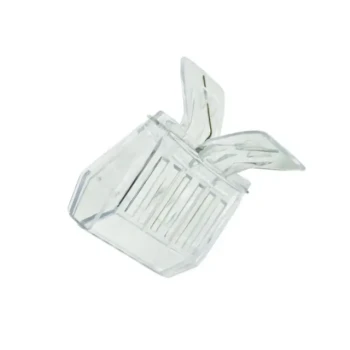
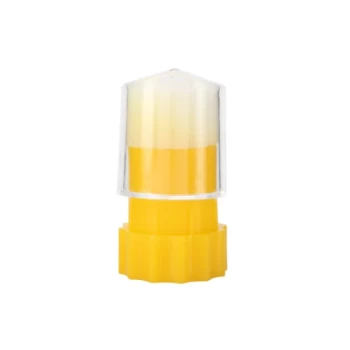
Queen excluders and chamber management equipment act as the logistical backbone of commercial royal jelly production. These tools function by physically partitioning the hive into distinct "egg-laying" and "hatching" zones, effectively transforming a natural biological cycle into a controlled manufacturing process. By preventing the queen from moving freely, beekeepers can force concentrated egg-laying on specific combs, ensuring a reliable daily supply of larvae at the precise age required for efficient grafting.
The Core Insight While the biological mechanism relies on worker bee secretion, the operational success of royal jelly production relies on synchronization. Chamber management equipment allows producers to standardize the age of larvae, ensuring that hundreds of larvae are ready for grafting simultaneously, which is the single biggest factor in maximizing yield and workflow efficiency.
Creating a Standardized Production Line
The Function of Zone Segregation
The primary function of this equipment is to divide the beehive into two operational areas: a queen-right breeding area and a queenless production area.
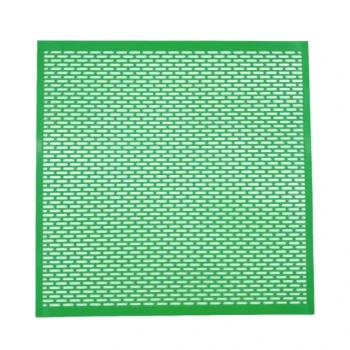
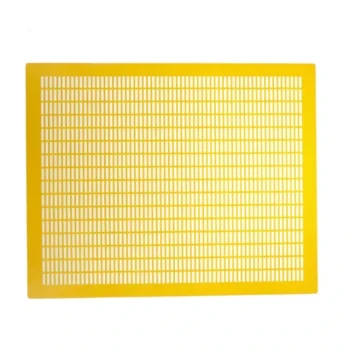
Queen excluders utilize precise gap widths that allow worker bees to pass freely between these zones to nurse brood, while physically blocking the larger-bodied queen. This separation is the foundation of the entire production workflow.
Concentrated Egg-Laying
Chamber management tools allow beekeepers to restrict the queen to specific combs or "cages" for a set period.
Rather than allowing the queen to scatter eggs randomly throughout the hive, she is confined to lay intensively on a designated frame. This density is crucial for commercial scalability.
Efficient Comb Rotation
Once the queen has laid eggs on the specific combs, the management equipment allows these combs to be systematically moved to the hatching zone.
This movement is dictated by larval age, creating a predictable "conveyor belt" of developing brood within the hive structure.
Optimizing the Supply of Larvae
Synchronization of Larval Age
The most critical bottleneck in royal jelly production is obtaining larvae of the correct age for grafting (transferring into artificial cups).
By segregating the queen and rotating combs daily, beekeepers ensure that an entire frame of larvae reaches the optimal grafting age at the exact same time. This eliminates the time-consuming search for suitable larvae scattered across multiple frames.
Protecting the Production Cell
In the queenless production area, worker bees are induced to nurse the grafted artificial queen cells, filling them with royal jelly.
The queen excluder is vital here, as it prevents the queen from entering this zone. If the queen were to access the production area, she would instinctively destroy the competing queen cells or attack the developing larvae, ruining the harvest.
Understanding the Trade-offs
Management Complexity
Using this equipment increases the complexity of hive management.
It requires strict adherence to a schedule; if combs are not rotated at the precise time, the synchronization of larval ages will be lost, disrupting the entire production cycle.
Potential for Hive Congestion
Restricting the queen to specific areas can lead to congestion if not monitored.
Beekeepers must ensure that the "egg-laying zone" has sufficient space and resources to support the queen's intense laying activity without triggering swarming impulses or causing stress to the colony.
Equipment Precision
The efficacy of this system relies entirely on the structural integrity of the equipment.
If a queen excluder has bent wires or incorrect gap widths, the queen may breach the production zone. A single breach can result in the destruction of a full batch of royal jelly cells.
Making the Right Choice for Your Goal
To effectively utilize these tools, you must align your management strategy with your specific production targets:
- If your primary focus is Commercial Yield: strictly adhere to the daily rotation of combs between zones to maximize the number of graftable larvae available at any given moment.
- If your primary focus is Product Purity: ensure the queen excluder provides a hermetic seal against the queen to prevent egg-laying in the production cups, which guarantees the jelly remains free of biological impurities.
By strictly controlling the queen's movement, you convert the hive from a wild colony into a predictable, high-output biological factory.
Summary Table:
| Equipment Component | Primary Function | Impact on Optimization |
|---|---|---|
| Queen Excluder | Segregates hive into breeding and production zones | Prevents queen from destroying cells and ensures purity |
| Chamber Management | Restricts queen to specific combs or cages | Concentrates egg-laying for high-density larval supply |
| Comb Rotation System | Systematic movement of brood based on age | Creates a "conveyor belt" workflow for predictable grafting |
| Zone Partitioning | Distinguishes nursing areas from laying areas | Synchronizes larval age to eliminate searching time |
Scale Your Royal Jelly Production with HONESTBEE Precision Equipment
Maximizing yield in commercial apiaries requires more than just bees—it requires a standardized biological production line. At HONESTBEE, we specialize in supporting commercial beekeepers and distributors with a comprehensive range of high-precision tools designed for efficiency.
From durable queen excluders and chamber management systems that ensure larval synchronization, to advanced honey-filling machines and specialized hardware, our portfolio covers the full spectrum of industry needs. Whether you are upgrading a large-scale apiary or stocking wholesale supplies, our equipment provides the structural integrity needed to prevent breaches and maximize output.
Ready to optimize your workflow? Contact HONESTBEE today to discover how our wholesale beekeeping machinery and essential consumables can elevate your commercial operations.
References
- Huoqing Zheng, Vincent Dietemann. Maintenance and application of multiple queen colonies in commercial beekeeping. DOI: 10.3896/ibra.1.48.4.10
This article is also based on technical information from HonestBee Knowledge Base .
Related Products
- High Performance Plastic Queen Excluder for Beekeeping and Apiary Management
- Professional Plastic Queen Excluder for Modern Beekeeping
- Lightweight Durable Plastic Queen Excluder Scraper for Beekeeping
- Metal Queen Bee Excluder for Beekeeping
- Premium Wood Framed Metal Wire Queen Bee Excluder
People Also Ask
- What are the characteristics of a plastic queen excluder? Key Benefits for Cost-Effective Beekeeping
- What are the operational and cost advantages of using plastic queen excluders over metal or wire excluders in commercial hive management? Discover how they reduce labor, prevent wing damage, and lower total costs.
- What types of queen excluders are available for beekeepers? Choose the Right Tool for Your Hive
- Why are standardized hive frames and queen excluders essential for maintaining honey purity and quality? Scale Your Purity
- Do plastic queen excluders work? A Cost-Effective Solution for Modern Apiaries