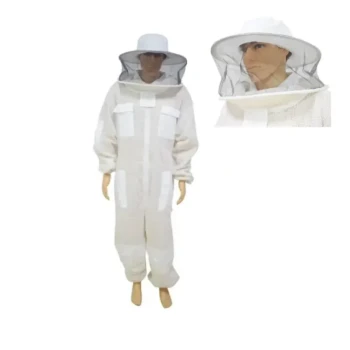
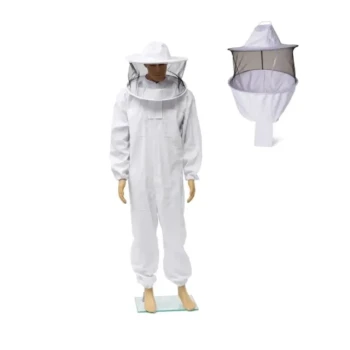
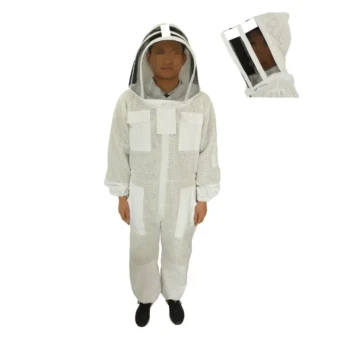
While strictly speaking, a beekeeper can physically approach a hive without one, wearing a bee suit is considered practically essential for safety and effective hive management. For the vast majority of beekeepers, and especially for beginners, a suit serves as a critical barrier against the natural defensive mechanisms of the colony.
The true value of a bee suit extends beyond physical protection; it creates the psychological security necessary to remain calm. Because bees can detect tension and agitation, a confident, protected beekeeper is less likely to provoke the hive, resulting in fewer stings for everyone involved.
The Role of Confidence in Safety
Breaking the Anxiety Loop
Honey bees are generally docile, but they can become aggressive due to seasonal changes, unfamiliarity with the handler, or hive disruptions.
A bee suit acts as a psychological anchor. It allows the beekeeper to move with deliberate, calm confidence rather than reacting fearfully to buzzing or bumping.
The Physiology of Agitation
Bees are highly sensitive to the demeanor of the person handling them. If a beekeeper is nervous, they often release stress pheromones or make jerky, erratic movements.
The suit shields the beekeeper from immediate pain, preventing the panic reactions that typically trigger a defensive swarm response.
When Protection is Most Critical
The Necessity for Beginners
For those new to the craft, full protective gear is strongly recommended until substantial experience is gained.
Beginners lack the ability to read subtle cues in bee behavior. A full suit provides a necessary safety net while learning how to handle frames and interpret hive dynamics.
Evaluating the Task and Temperament
The decision to wear a suit often depends on the invasiveness of the specific task.
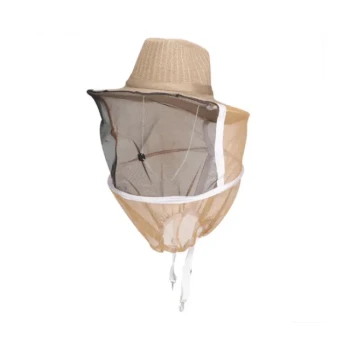
Opening a hive for a deep inspection is disruptive and warrants full gear. Conversely, experienced beekeepers may opt for minimal gear, such as a hat and veil, for quick, non-intrusive observation.
The breed of the bee also dictates attire; docile breeds like Italian bees may allow for lighter gear, whereas aggressive strains, such as Africanized bees, require maximum protection.
Understanding the Trade-offs
Protection is Not Absolute
It is a common misconception that a bee suit is impenetrable armor. Protective clothing is not a guarantee against stings.
Beekeepers can still be stung through the fabric if the fabric is pulled tight against the skin or if the suit is compromised. Reliance on the suit should never replace proper technique and caution.
Managing Heat and Comfort
Full suits can become incredibly hot, potentially leading to heat exhaustion in warm climates.
Many beekeepers mitigate this by using suits made from ventilated fabric, balancing the need for physical barriers with the need for airflow.
The Role of Tools vs. Armor
Wearing a suit does not negate the need for other calming tools.
A bee smoker remains an essential companion to the suit. It creates a harmonious atmosphere and masks alarm pheromones, ensuring the bees remain cooperative regardless of what the beekeeper is wearing.
Making the Right Choice for Your Goal
Whether you choose a full suit, a jacket, or a simple veil depends on your experience and the specific situation.
- If your primary focus is learning and building confidence: Opt for a full bee suit to eliminate the fear of stings and allow you to focus entirely on technique.
- If your primary focus is comfort during quick tasks: Consider a jacket and veil combo, provided you have the experience to read the hive's mood and the bees are known to be docile.
- If your primary focus is managing aggressive colonies: Never compromise; wear full gear with reinforced or ventilated layers to ensure maximum safety.
Ultimately, the right protective gear is the one that allows you to work the hive with the steady hands and calm presence of a professional.
Summary Table:
| Factor | Full Bee Suit | Jacket & Veil | Minimal Gear (Veil only) |
|---|---|---|---|
| Best For | Beginners & Deep Inspections | Intermediate & Quick Checks | Experts & Docile Breeds |
| Protection Level | Maximum / Full Body | Moderate / Upper Body | Low / Face & Neck only |
| Mobility | Moderate | High | Excellent |
| Confidence | Highest | Moderate | Low (requires experience) |
Elevate Your Apiary’s Safety and Efficiency with HONESTBEE
At HONESTBEE, we understand that confidence in the apiary starts with professional-grade protection. We cater to commercial apiaries and distributors worldwide, providing a comprehensive wholesale selection of beekeeping essentials. From advanced ventilated bee suits that balance safety with comfort to high-precision honey-filling machines and hive-making equipment, we supply everything your business needs to thrive.
Whether you are looking to source durable hardware or essential industry consumables, our portfolio offers the reliability and quality demanded by professional beekeepers.
Ready to scale your beekeeping operations? Contact us today to discuss our wholesale offerings and discover how HONESTBEE can support your growth with the best tools in the industry.
Related Products
- Premium Three Layer Ventilated Bee Suit with Round Veil
- Professional Cotton Beekeeper Suit with Round Veil Design for Commercial Apiaries
- Premium Cotton Beekeeper Suit with Reinforced Fencing Veil
- Professional Beekeeper Suit with Square Folding Cotton Veil
- Professional Beekeeping Suit for Kids and Girls Childrens Bee Keeper Suit
People Also Ask
- What are the features of a ventilated bee suit? Stay Cool and Protected in Hot Weather
- What is the function of professional protective consumables? Scale Your Apiary with Ventilated Bee Suits
- What should be considered when purchasing a ventilated bee suit? Ensure Maximum Safety and Comfort
- What is the advantage of ventilated bee suits over traditional ones? Stay Cool and Protected with Mesh Technology
- What materials are used in ventilated bee suits? Choose Between 3-Layer Mesh & Foam for Optimal Protection