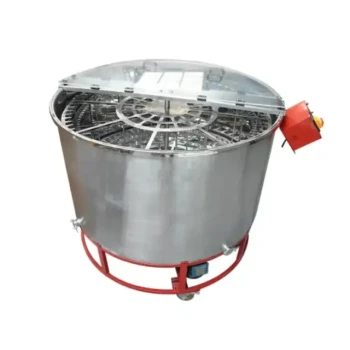
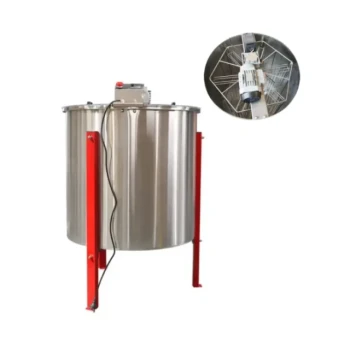
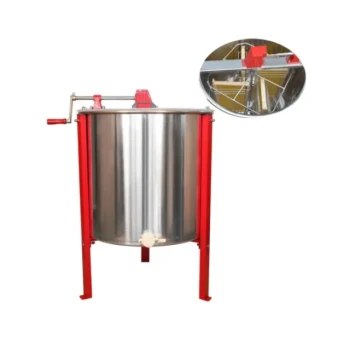
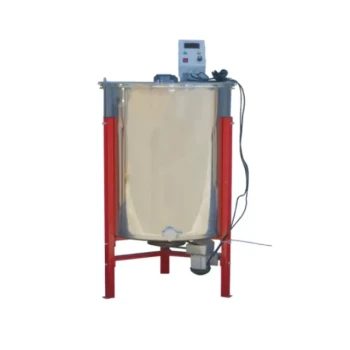
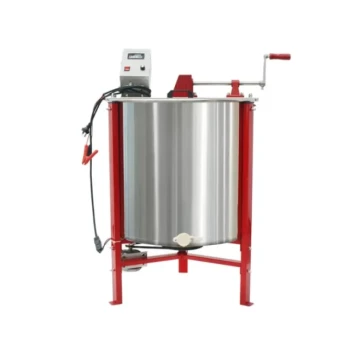
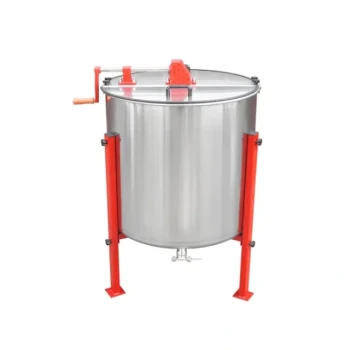
No, leaving honey in an extractor is not a safe practice. An extractor is designed strictly for processing, not storage, and it lacks the airtight seal required to maintain the chemical integrity of your harvest. Leaving honey inside exposes it to environmental factors that will ruin the product and compromise your equipment.
Because extractors are not airtight, leftover honey attracts moisture from the air which leads to fermentation, while simultaneously acting as a magnet for ants and other insects.
The Risks of Improper Storage
The primary function of an extractor is to spin frames and facilitate flow, not to preserve the final product. Understanding the specific mechanisms of failure will help you prioritize proper cleanup.
Moisture Absorption and Spoilage
Honey is hygroscopic, meaning it naturally attracts and absorbs water from its surroundings.
Because extractors do not have airtight seals, the honey left inside is constantly exposed to humidity in the air. As the honey absorbs this moisture, its water content rises above stable levels, eventually leading to fermentation and spoilage.
Pest Infestation
The scent of honey is potent and attractive to a wide variety of pests.
An unsealed extractor serves as an open invitation to ants and other insects. Once these pests enter the machinery to feed on the leftover honey, they contaminate the interior, rendering any remaining product unsafe for consumption and requiring deep cleaning before the machine can be used again.
Common Pitfalls: The Cost of Delay
While it may be tempting to leave cleanup for later, particularly after a long day of uncapping and spinning, the trade-offs are significant.
Sanitation and Disease Spread
Leaving honey in the unit is a sanitation hazard. As noted in standard extraction protocols, thorough cleaning is essential to prevent the spread of disease between hives and harvests.
Residual honey can harbor pathogens or yeast spores that may contaminate future batches.
Equipment Maintenance Issues
Honey that is allowed to sit will eventually cool, thicken, and potentially crystallize.
Cleaning fresh, warm honey is relatively simple. However, trying to remove hardened or crystallized honey from the bottom of an extractor or the honey gate is a difficult, labor-intensive process that risks damaging the mechanisms.
Ensuring Quality and Longevity
To protect your harvest and your investment in equipment, you must separate the extraction phase from the storage phase immediately.
- If your primary focus is Honey Quality: Drain the extractor completely into a sealed bucket immediately after spinning to prevent moisture absorption.
- If your primary focus is Equipment Maintenance: Wash the extractor thoroughly right after use to prevent honey from hardening and to neutralize disease vectors.
Treat the draining and cleaning of your extractor as the final, non-negotiable step of the harvest.
Summary Table:
| Risk Factor | Impact on Honey & Equipment | Prevention Strategy |
|---|---|---|
| Moisture/Humidity | Leads to fermentation and spoilage due to lack of airtight seal. | Drain immediately into sealed buckets. |
| Pests & Insects | Attracts ants and contamination into the machinery. | Keep extractor clean and covered when not in use. |
| Sanitation | Risk of spreading disease and pathogens between harvests. | Sanitize equipment thoroughly after every extraction. |
| Maintenance | Crystallized honey can clog honey gates and damage mechanisms. | Wash with warm water while honey is still fresh. |
Maximize Your Harvest Efficiency with HONESTBEE
Don't let improper storage or outdated equipment compromise your commercial apiary's productivity. At HONESTBEE, we empower commercial beekeepers and distributors with heavy-duty honey extractors, advanced honey-filling machines, and a full spectrum of hive-making equipment designed for durability and hygiene.
Whether you need precision machinery or high-quality industry consumables, we provide the wholesale tools necessary to scale your operations and ensure the highest product quality.
Ready to upgrade your extraction facility? Contact HONESTBEE today to explore our professional equipment range and see how our tailored solutions can benefit your business!
Related Products
- HONESTBEE 72 Frame Industrial Electric Honey Extractor for Beekeeping
- Commercial Electric 12 Frame Honey Extractor Spinner Motorized Honey Extractor
- HONESTBEE 6 Frame Self Reversing Electric Honey Extractor for Beekeeping
- HONESTBEE 3-Frame Manual Acrylic Honey Extractor
- Stainless Steel Manual 8 Frame Radial Honey Extractor Machine for Beehives
People Also Ask
- What is the importance of balancing honeycomb frames within a honey extractor? Ensure Stability and Protect Machinery
- How is honey separated from the frames after they are uncapped? Efficient Extraction Methods for High Yields
- What are the main benefits of using a honey extractor? Maximize Yields and Protect Your Honeycomb
- What are the recommended methods for removing honey from the honeycomb? Top Extraction Techniques for Maximum Efficiency
- How do manual honey extractors compare to electric honey extractors? Choosing the Right Tool for Your Apiary Growth