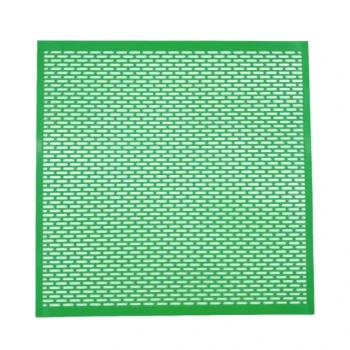
The decision to remove a queen excluder for winter is almost entirely dictated by your local climate. In regions with freezing temperatures and long winters, removing the excluder is a standard and necessary practice to ensure colony survival. Conversely, in milder climates where deep clustering does not occur, removal is generally not required.
The primary danger of leaving a queen excluder in place during a cold winter is "isolation starvation." As the bee cluster moves upward to access honey stores, the excluder can trap the queen below, separating her from the heat and food source she needs to survive.
The Mechanics of Winter Survival
How the Winter Cluster Moves
To survive freezing temperatures, honey bees form a tight cluster to generate heat. As they consume the honey stores in the hive, this cluster slowly migrates, typically moving upward through the hive boxes.
The "Glass Ceiling" Effect
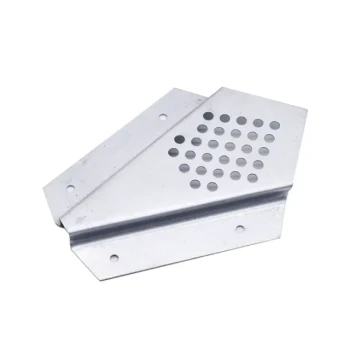
A queen excluder acts as a physical barrier for the queen, even though worker bees can pass through it. If the cluster moves upward into a super above the excluder to chase honey, the queen remains trapped below.
The Consequence of Separation
Once separated from the warming cluster, the queen cannot survive on her own. Even if there is honey available below the excluder, without the cluster's heat, she will succumb to exposure and freeze to death.
Regional Considerations
Cold Climates (Northern Hemisphere)
In areas with bitter winters, the risk of the queen being left behind is high. It is common practice to remove the excluder in the autumn. This allows the queen to move freely with the cluster throughout the entire hive, ensuring she stays warm and fed.
Mild Climates (e.g., Australia)
In regions with temperate winters, the colony dynamics are different. Brood rearing often continues at low levels, and the bees do not need to form a tight, migratory cluster to survive. In these locations, removing the excluder is generally not necessary for survival.
Understanding the Trade-offs
Physical Stress on the Colony
Beyond the winter risk, queen excluders present year-round physical challenges. The mesh openings can damage the wings of worker bees and drones as they force themselves through the gaps.
Resource Segmentation
Excluders create an artificial separation between brood chambers and honey stores. While this is useful for harvesting, it can cause long-term colony issues by preventing the natural flow of resources within the hive. Removing the excluder during the non-productive winter months gives the colony a respite from these artificial barriers.
Making the Right Choice for Your Goal
To ensure the longevity of your hive, assess your environment and take the following actions:
- If your primary focus is survival in a freezing climate: Remove the excluder in early autumn to prevent the queen from freezing in isolation.
- If your primary focus is management in a mild climate: You may leave the excluder in place, as the risk of the cluster abandoning the queen is minimal.
- If your primary focus is general colony health: Consider removing the excluder regardless of climate to reduce wing damage and allow free movement during the dormant season.
Prioritize the queen's access to heat and food over all other management preferences during the winter months.
Summary Table:
| Climate Type | Cluster Behavior | Action Required | Primary Risk |
|---|---|---|---|
| Cold/Freezing | Migrates upward | Remove Excluder | Queen isolation & freezing |
| Mild/Temperate | Minimal clustering | Removal optional | Low risk to queen |
| All Climates | Resource flow | Removal recommended | Physical wing damage |
Maximize Your Apiary’s Winter Survival Rate with HONESTBEE
At HONESTBEE, we understand that successful overwintering is the backbone of a profitable beekeeping operation. Whether you are a commercial apiary managing thousands of colonies or a distributor supplying the industry, we provide the high-quality tools and machinery needed to maintain hive health and productivity.
From durable hive-making machines to precision honey-filling equipment and a full spectrum of essential consumables, HONESTBEE is your partner in growth. Let us help you streamline your operations and safeguard your queens with our professional-grade beekeeping solutions.
Ready to scale your beekeeping business? Contact us today to explore our wholesale offerings!
Related Products
- High Performance Plastic Queen Excluder for Beekeeping and Apiary Management
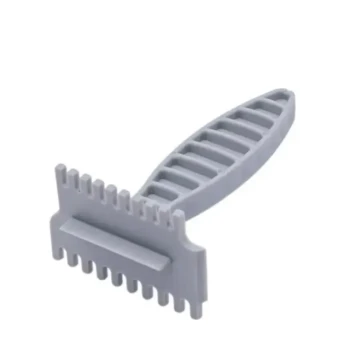
- Lightweight Durable Plastic Queen Excluder Scraper for Beekeeping
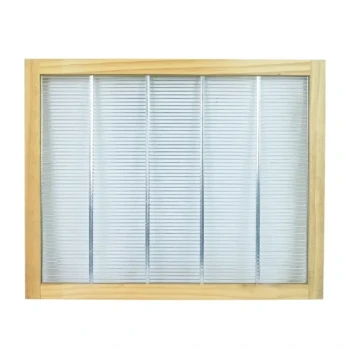
- Premium Wood Framed Metal Wire Queen Bee Excluder
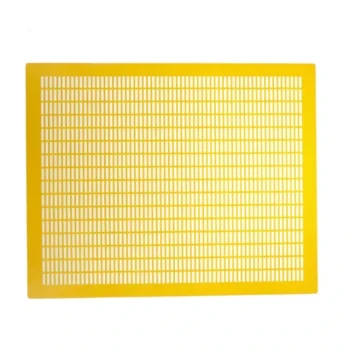
- Professional Plastic Queen Excluder for Modern Beekeeping
- Metal Queen Bee Excluder for Beekeeping
People Also Ask
- What are the characteristics of a plastic queen excluder? Key Benefits for Cost-Effective Beekeeping
- What are the operational and cost advantages of using plastic queen excluders over metal or wire excluders in commercial hive management? Discover how they reduce labor, prevent wing damage, and lower total costs.
- What types of queen excluders are available for beekeepers? Choose the Right Tool for Your Hive
- Why are standardized hive frames and queen excluders essential for maintaining honey purity and quality? Scale Your Purity
- Do plastic queen excluders work? A Cost-Effective Solution for Modern Apiaries