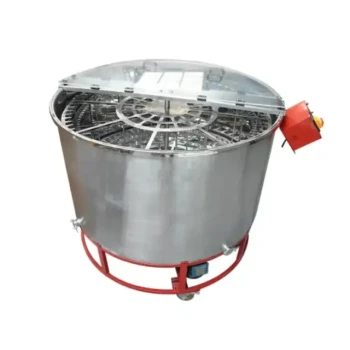
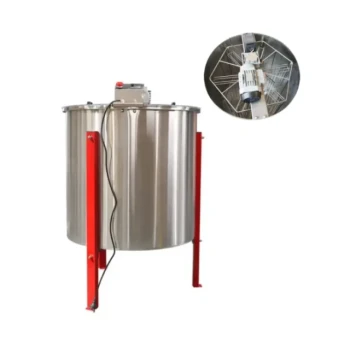
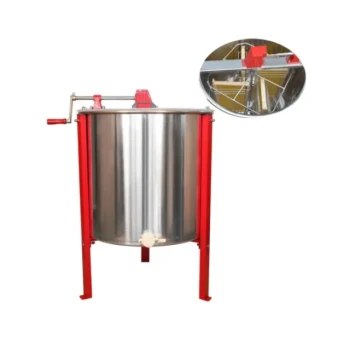
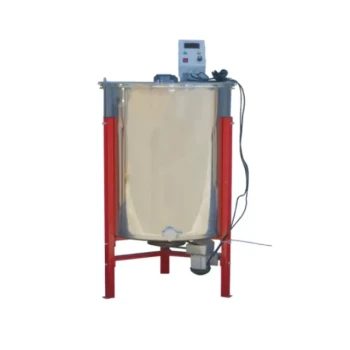
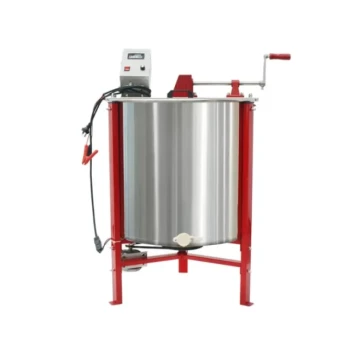
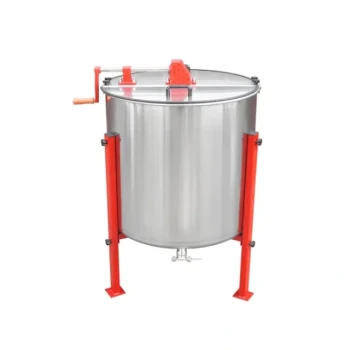
Common problems with honey extractors typically involve mechanical instability, sealing failures, and electrical issues. Specifically, operators most frequently encounter excessive vibrations caused by load imbalance, leaks resulting from worn seals, and motor malfunctions due to lack of maintenance.
Core Takeaway: The majority of extractor failures are preventable through proper setup and routine care. Balancing your frames during loading and proactively replacing seals will solve the most disruptive issues before they ruin a harvest.
Stabilizing the Extraction Process
The Root Cause of Vibration
Excessive vibration is perhaps the most immediate and alarming issue users face. This is rarely a defect in the manufacturing but rather a result of physics.
When the drum spins, any uneven weight distribution creates centrifugal force that causes the machine to shake or "walk" across the floor.
How to Balance the Load
The solution lies in frame management. You must carefully balance the frames inside the drum.
Place frames of similar weight and honey density directly opposite one another. This counter-weights the drum, allowing for a smooth spin cycle and reducing stress on the legs and bearings.
Addressing Leaks and Seals
Identifying Leak Sources
Honey is viscous and heavy, placing significant pressure on the extractor's joints. Leaks generally occur at the honey gate (the tap) or the seals at the base of the drum.
These leaks not only waste the harvest but can create a hygienic mess that attracts pests.
Replacing Worn Components
To resolve this, you must inspect the physical barriers of the machine.
Replace worn seals immediately if you notice brittleness or cracking. Additionally, ensure the honey gate is tightened correctly and that its O-ring is seated properly before pouring.
Motor Reliability and Maintenance
Preventing Motor Failure
For electric extractors, the motor is the critical driver of efficiency. Problems here often manifest as intermittent power, overheating, or total failure to spin.
These issues are frequently caused by neglect rather than immediate burnout.
Routine Maintenance
To avoid electrical faults, you must perform regular maintenance. Keep the motor housing clean and free of sticky propolis or honey residue that could trap heat.
Always consult the extractor's manual for specific maintenance schedules, as different manufacturers have unique requirements for lubrication and electrical care.
Understanding the Trade-offs
The Risk of Ignoring Protocol
A common pitfall is attempting to "power through" a problem.
If an extractor is vibrating, do not try to hold it down manually. You must stop the machine and rebalance it. Forcing the machine to run while unbalanced can permanently damage the central shaft or burn out the motor.
Radial vs. Tangential Considerations
It is important to understand which type of extractor you own—radial or tangential.
While the mechanical problems (leaks/motors) are similar, the frame positioning differs. This affects how you balance the load. Ensure you are loading frames according to your specific type's design to maximize stability.
Making the Right Choice for Your Harvest
By addressing these three main areas—balance, seals, and motors—you can ensure a seamless extraction workflow.
- If your primary focus is operational smoothness: Prioritize sorting frames by weight before loading to eliminate vibrations before they start.
- If your primary focus is equipment longevity: Commit to a strict post-harvest maintenance schedule, specifically cleaning the motor and inspecting seals.
Proactive maintenance and careful loading are the keys to a reliable, long-lasting honey extractor.
Summary Table:
| Common Problem | Primary Root Cause | Practical Solution |
|---|---|---|
| Excessive Vibration | Unbalanced frame distribution | Load frames of equal weight opposite each other |
| Honey Leaks | Worn seals or loose honey gate | Replace O-rings and tighten the tap assembly |
| Motor Overheating | Residue buildup or lack of airflow | Clean housing and follow manual lubrication schedules |
| Machine "Walking" | Centrifugal force from imbalance | Stop immediately and redistribute the load |
| Power Failure | Lack of routine maintenance | Inspect electrical components and clear sticky debris |
Maximize Your Harvest Efficiency with HONESTBEE
Operational downtime during the honey flow can be costly for commercial apiaries and distributors. At HONESTBEE, we understand that reliability is everything. We provide a comprehensive range of professional-grade beekeeping tools, honey-filling machinery, and high-performance extractors designed for durability and ease of maintenance.
Whether you are scaling your commercial operation or sourcing premium equipment for distribution, our team is here to support your success with expert advice and essential industry consumables. Contact us today to explore our full wholesale portfolio and discover how our specialized hardware can streamline your production!
Related Products
- HONESTBEE 72 Frame Industrial Electric Honey Extractor for Beekeeping
- Commercial Electric 12 Frame Honey Extractor Spinner Motorized Honey Extractor
- HONESTBEE 6 Frame Self Reversing Electric Honey Extractor for Beekeeping
- HONESTBEE 3-Frame Manual Acrylic Honey Extractor
- Stainless Steel Manual 8 Frame Radial Honey Extractor Machine for Beehives
People Also Ask
- What is the importance of balancing honeycomb frames within a honey extractor? Ensure Stability and Protect Machinery
- How is honey separated from the frames after they are uncapped? Efficient Extraction Methods for High Yields
- What are the main benefits of using a honey extractor? Maximize Yields and Protect Your Honeycomb
- What are the recommended methods for removing honey from the honeycomb? Top Extraction Techniques for Maximum Efficiency
- How do manual honey extractors compare to electric honey extractors? Choosing the Right Tool for Your Apiary Growth