Temperature acts as the primary regulator of both the viscosity of your honey and the structural integrity of your honeycomb during extraction. Generally, maintaining a warm room and warm honey is critical for liquid extraction methods because it lowers viscosity, allowing the honey to flow freely; conversely, cooler temperatures are required when producing cut-comb honey to ensure the wax remains firm enough to handle without collapsing.
Managing temperature is a strategic balancing act between flow rate and structural stability. While warmth accelerates the extraction and straining process, cooler environments are strictly necessary for handling delicate wax combs, and excessive heat at any stage risks degrading the honey's nutritional value.
The Physics of Extraction: Viscosity vs. Structure
To optimize your extraction process, you must adjust the ambient temperature based on the specific end-product you are creating.
Facilitating Flow for Liquid Honey
For standard extraction methods, such as crush-and-strain, warmth is your ally. Warmer temperatures reduce the viscosity of the honey, making it runnier.
This reduction in thickness is essential for allowing the honey to separate from the wax and pass through filtration media efficiently. Without adequate warmth, the honey will be sluggish, making the straining process slow and potentially leading to significant yield loss as honey clings to the wax.
Preserving Structure for Cut-Comb
If your goal is cut-comb honey, the thermal requirements flip. You need cooler conditions to maintain the rigidity of the wax.
Warm honey combined with warm wax results in a "floppy" comb that is difficult to cut and handle cleanly. A cooler environment ensures the wax remains firm, allowing for precise cuts and intact final products. However, extreme cold should be avoided, as it can make the wax brittle and prone to shattering.
Temperature in Equipment and Techniques
Specific tools utilize thermal energy to improve the efficiency of the extraction phases, specifically uncapping and filtration.
Heated Uncapping Tools
Heated uncapping knives utilize thermal energy to slice through the wax cappings that seal the honey cells.
Rather than tearing the wax, the heat briefly melts the cappings upon contact. This ensures a flat, clean cut and minimizes physical stress on the honeycomb structure, which is vital if you intend to reuse the drawn comb in the hive.
Centrifugal Force vs. Thermal Extraction
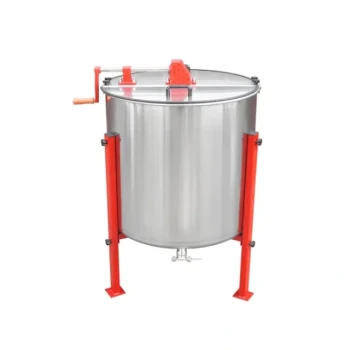
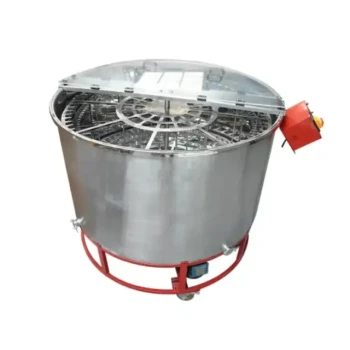
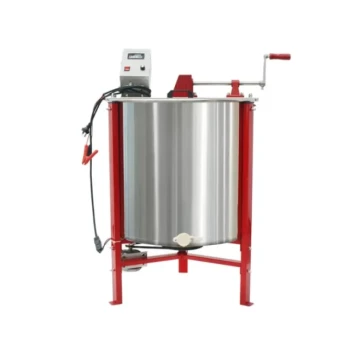
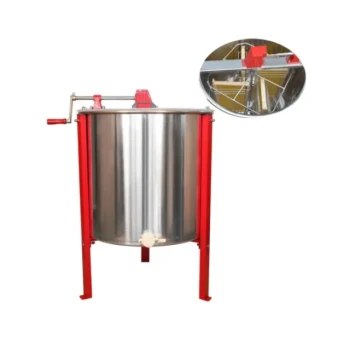
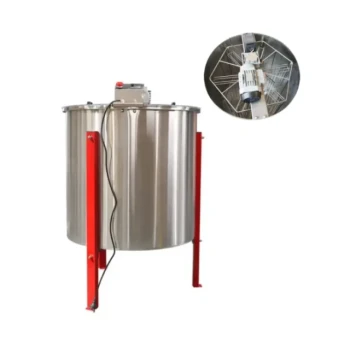
Modern centrifugal extractors are designed to separate honey using mechanical force rather than heat.
This is superior to traditional methods like sun-melting or open-flame heating. By avoiding high temperatures during the separation phase, centrifugal extraction prevents impurities (such as larval remains or wax fragments) from melting into the honey and preserves the active ingredients and natural flavor profile.
Understanding the Trade-offs
While heat aids in the mechanics of extraction, it introduces chemical changes that can compromise the quality of the final product.
Moisture Content vs. Nutrient Preservation
Applying heat (such as using heating plates at 60°C) can help dissolve pollen and resin components and reduce moisture content. Lowering moisture is critical for inhibiting microbial fermentation and extending shelf life.
However, high temperatures are a double-edged sword. Exposing honey to temperatures above 60°C—and especially approaching 80°C—drastically lowers moisture but risks degrading nutrients and altering the flavor profile.
Viscosity vs. Crystallization
While warmth aids flow during extraction, the temperature decreases once the honey is stored.
Rapid cooling or storing honey in cold environments (like a refrigerator) accelerates crystallization. Conversely, maintaining a stable room temperature between 50°F and 70°F (10°C to 21°C) after extraction helps maintain consistency and slows this natural process.
Making the Right Choice for Your Goal
Your temperature strategy must align with your specific extraction method.
- If your primary focus is Crush-and-Strain: Ensure the workspace and honey are warm to maximize flow rate and filtration efficiency.
- If your primary focus is Cut-Comb Honey: Maintain a cooler environment to keep the wax firm and manageable, avoiding "floppy" combs.
- If your primary focus is Nutrient Preservation: Utilize centrifugal force and avoid unnecessary heating plates to protect the honey's enzymes and flavor.
By controlling the thermal environment, you move from simply harvesting honey to engineering a higher-quality product.
Summary Table:
| Extraction Goal | Ideal Temperature Condition | Impact on Process | Key Tool/Technique |
|---|---|---|---|
| Liquid Honey | Warm (Room Temp+) | Lowers viscosity for faster flow and straining | Crush-and-strain / Heating plates |
| Cut-Comb Honey | Cool | Maintains wax firmness for precise cutting | Controlled cooling / Sharp knives |
| Uncapping | Targeted Heat | Melts wax seals without damaging the comb | Heated uncapping knives |
| Nutrient Quality | Low Heat (<60°C) | Prevents enzyme degradation and flavor loss | Centrifugal extractors |
| Storage | Stable (10°C - 21°C) | Slows crystallization and preserves consistency | Climate-controlled storage |
Elevate Your Apiary’s Productivity with HONESTBEE
Maximize your honey yield and product quality by pairing professional techniques with industry-leading equipment. HONESTBEE serves commercial apiaries and distributors with a robust wholesale selection of high-performance tools and machinery. From precision-engineered centrifugal extractors and honey-filling machines to specialized hive-making hardware and essential consumables, we provide everything you need to scale your operations.
Ready to upgrade your extraction line? Contact our experts today to discover how our comprehensive equipment solutions can streamline your business and improve your bottom line.
Related Products
- Electric 8 Frame Honey Spinner Extractor Equipment for Beekeeping
- HONESTBEE 2 Frame Manual Acrylic Honey Extractor Beekeeping Equipment
- 6 Frame Manual Stainless Steel Honey Extractor Beekeeping Equipment
- 32 Frame Commercial Electric Honey Extractor for Beekeeping and Honey Production
- HONESTBEE 72 Frame Industrial Electric Honey Extractor for Beekeeping
People Also Ask
- What are the advantages of an electric honey extractor? Boost Efficiency and Scale Your Honey Production
- What are the characteristics of electric honey extractors? Boost Your Apiary Efficiency with Automated Technology
- What are the disadvantages of using an electric honey extractor? Weighing Cost, Power, and Comb Safety
- What are the features of an electric honey extractor? Boost Your Apiary's Productivity with Motorized Efficiency
- What are the technical advantages of electric honey extractors? Maximize Yield and Protect Your Bee Colony