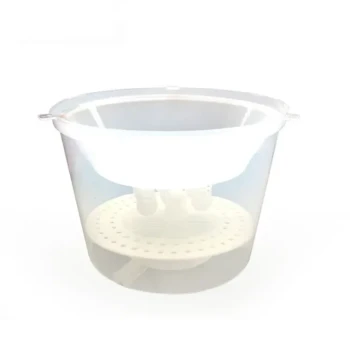
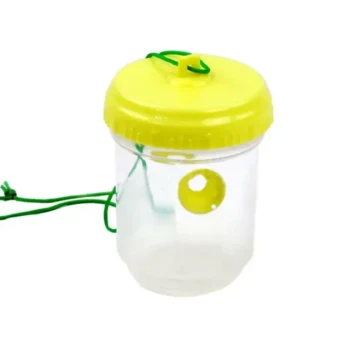
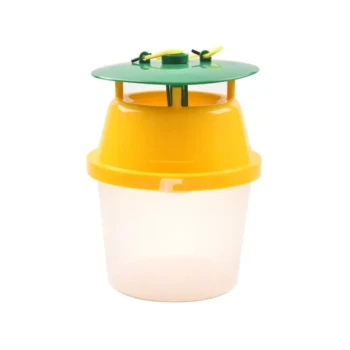
Hive beetle traps are essential defensive devices used to protect bee colonies from the destructive impact of Small Hive Beetles (SHB). These traps function primarily by creating a localized containment zone—often filled with oil or bait—where beetles are captured and eliminated through drowning, starvation, or entanglement.
The most effective traps leverage the natural behavior of the bees themselves. As the colony harasses the beetles, the pests are driven into the trap seeking refuge, where they become permanently stuck in a reservoir of oil or entangled in fibers.
How Hive Beetle Traps Work
The "Corral" Principle
The fundamental mechanism of most in-hive traps relies on bee behavior. Bees naturally chase beetles away from the brood and honey, forcing them into corners or tight spaces.
Traps are strategically placed in these areas—such as between frames or near the entrance—to act as a false refuge. When the beetle enters this "safe harbor" to escape the bees, it falls into the trap and cannot exit.
The Kill Mechanism
The majority of traps utilize a reservoir filled with a liquid, commonly vegetable oil. Once the beetle falls into the oil, it is coated, unable to fly or climb out, and eventually drowns.
Other variations, particularly smaller models, may function without liquid, trapping the beetle in a chamber where it dies of starvation. Some disposable options use a fibrous texture that entangles the beetle's legs.
Role of Attractants
While many traps rely on random entry or the bees driving the pest in, others use specific attractants. These can include pollen or fermented baits designed to lure beetles into the device.
Types of Traps and Placement
In-Hive Frame Traps
These are handheld, often disposable units designed to sit between the top bars of the hive frames. They are typically filled with a small quantity of vegetable oil.
For severe infestations, it is recommended to place at least two of these traps per hive box to maximize the surface area for capture.
Hive Stand (Bottom Board) Traps
These are larger systems integrated into the hive's base or stand. They often feature a designated tray for oil and may use wooden spacers to provide bees with more room to move.
These are particularly effective during late spring or fall when beetles are more active and moving out of their winter clusters.
Disposable Towels
These function like fuzzy sheets placed over the frames. Bees chew at the material to "fluff" it up, creating a tangle of fibers that snare the beetles.
Understanding the Trade-offs
Maintenance Requirements
Traps are not "set and forget" devices. They require inspection every one to two weeks to remove dead beetles and refresh the oil or bait. Neglected traps can become messy or ineffective.
Risks of Disposable Towels
While simple to use, towel-style traps have distinct downsides. It takes a few days for the bees to rough up the texture enough to catch beetles.
Furthermore, bees may coat the towel in propolis, rendering it useless. There is also a risk of bees becoming fatally stuck in the fibers themselves.
Environmental Considerations
Used oil from traps must be disposed of responsibly. It cannot be simply dumped on the ground near the apiary, as the scent may attract other pests or predators.
Making the Right Choice for Your Goal
Select your trapping method based on the severity of the problem and your capacity for maintenance.
- If your primary focus is routine prevention: Use standard in-hive frame traps filled with vegetable oil, placed in the corners of the top box where beetles congregate.
- If your primary focus is managing a severe infestation: Deploy two frame traps per box and consider upgrading to a hive stand trap to capture beetles entering from the bottom.
- If your primary focus is simplicity: Disposable traps or towels can offer a quick solution, provided you monitor them closely to ensure bees do not get entangled.
Effective beetle management ultimately combines these physical traps with strong, healthy colonies that can actively defend their hive.
Summary Table:
| Trap Type | Mechanism | Placement | Best Use Case |
|---|---|---|---|
| In-Hive Frame Traps | Oil reservoir drowning | Between top bars/frames | Routine prevention & monitoring |
| Bottom Board Traps | Large scale tray capture | Integrated into hive base | Severe infestations & peak activity |
| Disposable Towels | Fibrous entanglement | Over the top frames | Quick, low-maintenance setup |
| Bait Traps | Lures (pollen/ferment) | Strategic hive corners | Targeted removal of adult beetles |
Secure Your Apiary’s Future with HONESTBEE
Don't let Small Hive Beetles compromise your honey production. HONESTBEE specializes in supporting commercial apiaries and distributors with a professional-grade selection of beekeeping tools, hive-making machinery, and essential consumables.
Whether you need precision honey-filling machines to scale your operations or bulk wholesale beekeeping equipment to manage thousands of colonies, we provide the industrial-strength solutions you need to thrive.
Maximize your hive health and operational efficiency today—Contact our expert team now to discuss our wholesale offerings.
Related Products
- Black Plastic Beetle Barn Hive Beetle Trap for Beehives
- Removable Washable Hive Beetle Trap Attractants for Small Hive Beetles
- Reusable Clear Small Hive Beetle Traps for Beehives Beetle Trapping Tools
- Reusable Aluminium Beetle Trap for Small Hive Beetles Silver Bullet
- Plastic Beetle Blaster Trap Beekeeping Tools and Supplies
People Also Ask
- How should powdered substances be used in beetle traps for hive beetle control? Expert Guide for Maximum Colony Protection
- What are the three main types of hive beetle traps? Expert Solutions for Protecting Your Bee Colonies
- What are the types of hive beetle traps available? Master Your Beetle Control Strategy
- What are the main types of hive beetle traps available? A Beekeeper's Guide to Effective Control
- What mechanical methods can be used to manage small hive beetles? Effective Physical Solutions for Your Beehive