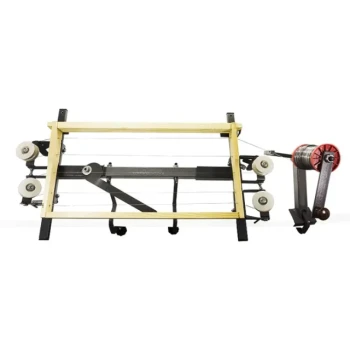
Hive frames are the modular structural units within a beehive. They are rectangular chassis, typically made of wood or plastic, designed to hang vertically inside the hive boxes (known as supers). These frames serve as the designated space for the colony to build wax combs, which house the developing brood and store honey reserves.
The hive frame is the technical foundation of modern beekeeping, converting a natural colony into an inspectable system. It allows for the independent management of individual combs without disrupting the overall integrity of the colony.
The Anatomy and Purpose of a Frame
The Structural Backbone
Frames act as the skeleton for the honeycomb. By providing a sturdy rectangular border, they contain the wax comb within a defined area. This prevents the bees from attaching comb to the hive walls, which would make the hive impossible to open without damage.
The Role of the Foundation
Most frames include a foundation—a sheet located in the middle of the frame. This sheet provides a model for the bees, encouraging them to build even, straight wax combs. The foundation also supports the weight of the heavy comb, preventing it from sagging or collapsing under the load of honey and brood.
Materials and Composition
Frames are generally constructed from either wood or plastic. While their function remains the same, they can be configured with or without foundations depending on the beekeeper's preference. This modularity is key to the hive's versatility.
The Critical Role in Hive Management
Enabling Non-Destructive Inspection
The defining feature of a frame is its removability. Because the comb is contained within the frame, a beekeeper can lift out a single sheet of comb to inspect the queen, check for diseases, or assess honey stores. This can be done without destroying the nest structure or harming the bees.
Scientific Control of "Bee Space"
Frames are designed to maintain a specific distance between combs, known as "bee space." This standardization is crucial for disease monitoring and colony management. It allows for advanced techniques like artificial swarming and graded honey harvesting, which require moving resources between different parts of the hive or between different hives entirely.
Managing Colony Growth
Frames are the primary tool for space management. As the queen increases her egg-laying rate or nectar flow increases, the colony requires more surface area. Adding new frames provides the necessary room for brood rearing and pollen storage.
Preventing Swarming
Proper use of frames is essential for suppressing the swarming instinct. If a hive becomes overcrowded, the colony will naturally attempt to split and swarm. By systematically adding frames to expand the hive's capacity, a beekeeper alleviates overcrowding and maintains the colony's productivity.
Common Considerations and Trade-offs
Weight and Support
While foundations provide excellent support, they dictate cell size. Frames without foundations allow bees to build naturally, but the resulting comb is much more fragile. Care must be taken when handling foundationless frames, especially when they are heavy with honey or in high temperatures.
Material Durability
Plastic frames are generally more durable and rot-resistant than wood. However, wooden frames are often preferred for their natural properties and ease of repair. Regardless of material, frames must be maintained to ensure they remain easy to lift and manipulate.
Making the Right Choice for Your Goal
To effectively utilize frames, you must align their management with your specific objectives for the apiary.
- If your primary focus is disease control: Prioritize regular inspections of brood frames, as the removable design allows you to identify health issues early without dismantling the entire colony.
- If your primary focus is honey production: Ensure you have ample supers filled with empty frames ready to add during nectar flows to prevent storage bottlenecks.
- If your primary focus is swarm prevention: Monitor the brood frames closely for crowding and add new frames immediately to accommodate the queen's increased egg-laying rate.
Mastering the manipulation of frames is the single most important skill for maintaining a healthy, productive, and manageable apiary.
Summary Table:
| Feature | Purpose | Key Benefit |
|---|---|---|
| Modular Design | Defines comb area | Prevents bees from sticking comb to hive walls |
| Foundation Sheet | Provides structural model | Encourages straight comb and supports honey weight |
| Removability | Facilitates inspection | Allows disease checks without destroying the nest |
| Bee Space Control | Standardizes gaps | Enables easy movement of resources between hives |
| Space Management | Expands colony capacity | Suppresses the swarming instinct and boosts production |
Maximize Your Apiary Productivity with HONESTBEE
As a dedicated partner to commercial apiaries and global distributors, HONESTBEE provides the high-quality infrastructure needed for large-scale success. Whether you are looking for durable wooden or plastic frames, advanced hive-making machinery, or honey-filling equipment, our comprehensive wholesale portfolio has you covered.
We supply everything from essential industry consumables to specialized hardware and honey-themed cultural merchandise. Let us help you streamline your operations and scale your business with professional-grade tools.
Contact HONESTBEE Today to Explore Our Wholesale Solutions
Related Products
- Wooden Bee Hive Frames for Beekeeping and Wholesale
- Plastic Bee Frame Beekeeping Hive Frames for Wholesale
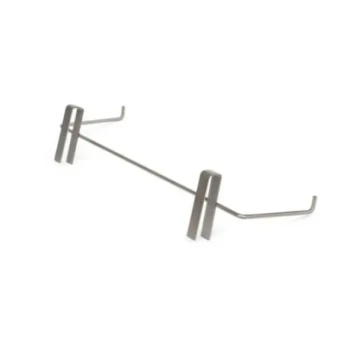
- Heavy-Duty Stainless Steel Clip-On Frame Perch
- Professional Galvanized Steel Frame Rest for Beehives
- Precision Stainless Steel Frame Cleaner for Hive Grooves and Corners
People Also Ask
- How do wooden and plastic hive frames compare in terms of durability? Wood vs. Plastic Longevity & Repairability
- How does balancing the number of frames impact hive productivity? Optimize Your Apiary's Biological Output
- What are the main considerations when choosing between wooden and plastic bee hive frames? Optimize Your Apiary's Efficiency
- How should beehive frames be maintained to prolong their lifespan? 5 Pro Tips for Durable Beekeeping Equipment
- How are plastic frames different from traditional wooden frames? Choose the Right Frame for Your Apiary