Queen rearing frames are specialized equipment used in apiculture to systematically raise new queen bees. These frames, often referred to as cell bar frames, differ from standard comb frames; they feature horizontal bars fitted with vertically attached "queen cups" that simulate natural queen cells to trigger specific behaviors in nurse bees.
The Core Value Queen rearing frames transform queen production from a sporadic natural event into a controlled, scalable process. By mimicking natural cell structures within a modular system, these frames allow beekeepers to mass-produce physiologically superior queens to replace aging stock and prevent colony collapse.
The Anatomy and Function of the Frame
Vertical Orientation and Cell Bars
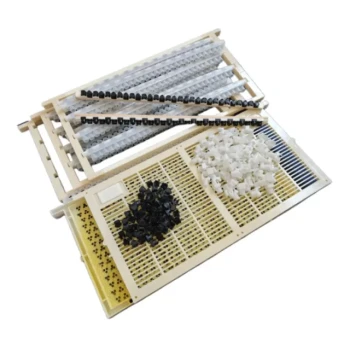
Unlike standard frames designed for honey storage or worker brood, queen rearing frames are built for a specific vertical architecture. They typically consist of a standard frame perimeter holding one or more horizontal "cell bars."
Queen cups—small, chalice-shaped bases—are attached to these bars facing downwards. This vertical orientation is critical because it replicates the natural position of a queen cell in a hive, signaling to the bees that these cells are destined for royalty.
The Role of Queen Cups
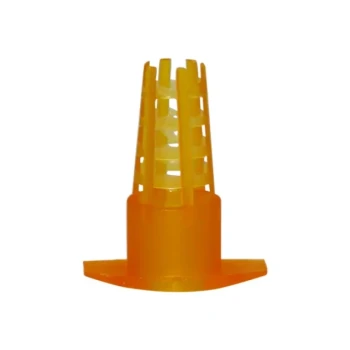
The cups attached to the frame serve as the primary breeding carriers. Whether made of wax or plastic, these cups simulate the physical structure of a natural queen cell base.
This structural mimicry is the trigger that induces nurse bees to accept the larvae. It compels them to secrete royal jelly, the nutrient-rich substance required to develop a fertile queen with robust egg-laying capabilities.
The Operational Workflow
From Grafting to Incubation
The process begins with "grafting," where young larvae are transferred into the queen cups on the frame. The frame acts as a fixed interface, allowing the beekeeper to handle delicate larvae securely.
Once grafted, the frame is placed into a colony—often a queenless "starter" colony. Because the colony perceives a lack of a queen, the nurse bees rush to the frame to feed the larvae and draw out the wax cells.
Modular Management
The true power of the queen rearing frame is efficiency. A single frame allows a beekeeper to manage dozens of queen cells within a single production cycle.
Once the nurse bees have capped the cells, the beekeeper can easily remove the frame. The individual cells are then detached from the bars and moved to separate mating nucs or queenless colonies for adoption, ensuring the new queens do not kill each other upon hatching.
Understanding the Trade-offs
Complexity and Precision
While highly effective, using queen rearing frames is not a passive activity. It requires a "high-precision" approach. The beekeeper must strictly manage the timeline; if the cells are left on the frame too long, the first virgin queen to emerge will destroy the other cells.
Resource Demands on the Colony
To produce high-quality queens, the nurse colony housing the frame must be strong and well-fed. The method relies on the bees concentrating their royal jelly secretion on the target larvae. If the colony is weak, the resulting queens may have lower physiological quality and poor egg-laying capacity.
Making the Right Choice for Your Goal
Replacing aging queens every one to two years is essential for maintaining colony vitality and avoiding yield decline.
- If your primary focus is Colony Sustainability: Use queen rearing frames to raise a small batch of queens annually, ensuring you have vigorous replacements ready before your current queens fail.
- If your primary focus is Production Efficiency: Utilize these frames to standardize your workflow, allowing you to produce dozens of queens in a single batch for splitting hives or selling to other beekeepers.
Successful queen rearing is the foundation of a self-sustaining and productive apiary.
Summary Table:
| Component | Description | Primary Function |
|---|---|---|
| Frame Perimeter | Standard hive dimensions | Provides structural support and modular compatibility |
| Cell Bars | Horizontal removable bars | Holds multiple queen cups in a organized, accessible row |
| Queen Cups | Wax or plastic chalice bases | Simulates natural cell structure to trigger royal jelly feeding |
| Royal Jelly | Nutrient-rich bee secretion | Essential for developing larvae into fertile, robust queens |
| Modular System | Detachable cell design | Allows safe transfer of individual cells to mating nucs |
Scale Your Apiary Operations with HONESTBEE
As a professional beekeeper or distributor, you know that high-quality queens are the backbone of a thriving colony. HONESTBEE specializes in empowering commercial apiaries and wholesale partners with the industry's most reliable beekeeping tools.
From precision-engineered queen rearing frames and cell bars to high-capacity honey-filling machines and specialized hardware, our comprehensive catalog is designed to streamline your production and maximize your yield.
Ready to elevate your beekeeping business?
Contact us today to discuss our wholesale offerings and discover how HONESTBEE can provide the specialized equipment and consumables your operation needs to succeed.
Related Products
- JZBZ Langstroth Queen Rearing Frame for Beekeeping
- Premium Nicot Style Cell Bar Holder and Queen Cell Cup Holder System
- JZBZ Style Shipping Cell Protector for Queen Rearing Kit
- Portable Bee Mating Hive Boxes Mini Mating Nucs 8 Frames for Queen Rearing
- JZBZ Type Wide Base Plastic Queen Cell Cups for Base Mounting and Queen Rearing
People Also Ask
- Why use finishing colonies for queen cell capping? Secrets to Superior Queen Quality and Performance
- How do queen rearing frames and grafting needles function together? Master the Doolittle Method for High-Quality Queens
- What is the purpose of queen rearing frames? Master Controlled Queen Production for Your Apiary
- What are the functions of queen rearing frames and artificial queen cells? Master Bee Genetic Improvement
- What roles do professional queen rearing frames and artificial queen cells play? Scaling Your Queen Bee Production