Creating a natural barrier within the hive is the most effective alternative to using a mechanical queen excluder. To confine the queen without hardware, you should place frames of honey in the super directly above the brood chamber, properly time the reversal of brood chambers in the spring, and add supers specifically during surplus nectar flows.
Core Insight: Natural hive management relies on understanding bee behavior—specifically the queen's reluctance to cross solid bands of honey—allowing you to confine the brood nest without restricting worker traffic through a physical grate.
Utilizing Natural Barriers
The Honey Frame Method
The most direct alternative involves creating a "honey barrier."
You can achieve this by placing frames of capped honey in the super immediately above the brood nest.
The queen is naturally reluctant to cross a solid band of honey to search for empty cells, effectively confining her to the lower boxes.
Managing Nectar Flows
The timing of when you add supers plays a critical role in queen confinement.
You should add supers primarily during a surplus nectar flow.
When nectar is coming in heavily, workers fill the upper combs rapidly, creating a natural ceiling of nectar and honey that the queen will not cross.
Strategic Colony Management
Spring Reversals
Proper hive manipulation in the early season can prevent the queen from moving up prematurely.
You must time the reversal of your brood chambers correctly in the spring.
By moving the empty brood box to the bottom (or reversing positions), you provide the queen with laying space within the dedicated brood zone, reducing her impulse to expand upward into honey supers.
Understanding the Trade-offs
Probability vs. Certainty
While honey barriers and flow management are effective, they are behavioral deterrents, not physical absolutes.
Unlike a queen excluder, these methods do not guarantee that the queen will never enter a honey super.
You must be prepared for the occasional patch of brood in your honey frames if the barrier is breached.
Drone Movement
A physical queen excluder prevents all drones from passing into the honey-producing areas.
When using natural alternatives, drones have free access to the entire hive.
This means you may find drones roaming in your honey supers, which some beekeepers find undesirable during harvest.
Loss of Specialized Techniques
Excluders are essential tools for specific advanced manipulations, such as two-queen systems or raising queens in queenright colonies.
Relying solely on natural barriers prevents you from utilizing these specific breeding and management systems.
Making the Right Choice for Your Goal
To determine if you should ditch the excluder, consider your primary management philosophy:
- If your primary focus is strictly isolating the queen for breeding or multi-queen systems: You must retain the mechanical excluder to ensure precise separation.
- If your primary focus is maximizing bee movement and minimizing hardware: Rely on the "honey barrier" method and properly timed supering to naturally deter the queen.
- If your primary focus is guaranteeing 100% brood-free honey supers: Stick to a physical excluder, as natural methods always carry a slight risk of the queen moving up.
Mastering the honey barrier technique allows you to work with the bees' natural instincts rather than forcing compliance with a grate.
Summary Table:
| Method | Mechanism | Reliability | Pros | Cons |
|---|---|---|---|---|
| Honey Barrier | Capped honey acts as a behavioral wall | Moderate | Better worker traffic | Queen may cross if space is limited |
| Nectar Flow Timing | Rapid filling of supers blocks queen | Moderate | Efficient honey storage | Requires precise seasonal timing |
| Spring Reversals | Providing laying space below | Moderate | Reduces swarming impulse | Requires heavy lifting/manual labor |
| Mechanical Excluder | Physical hardware grate | High | 100% brood-free honey | Can restrict worker speed (bee space) |
Optimize Your Apiary with HONESTBEE
Transitioning to natural hive management requires the right tools and deep industry expertise. At HONESTBEE, we specialize in supporting commercial apiaries and distributors with a comprehensive range of high-quality beekeeping supplies. Whether you are looking for specialized hive-making machinery, precision honey-filling equipment, or essential industry consumables, we have the wholesale solutions to scale your operation.
Ready to enhance your productivity and honey quality? Contact us today to discuss how our full spectrum of beekeeping hardware and cultural merchandise can drive your business forward.
Related Products
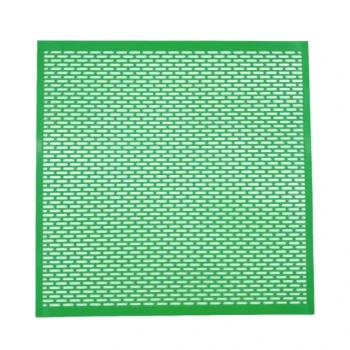
- High Performance Plastic Queen Excluder for Beekeeping and Apiary Management
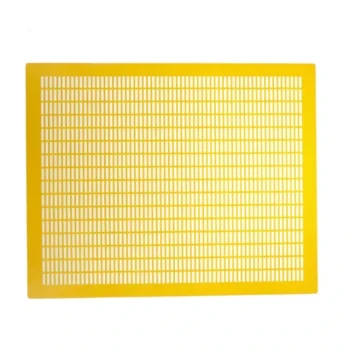
- Professional Plastic Queen Excluder for Modern Beekeeping
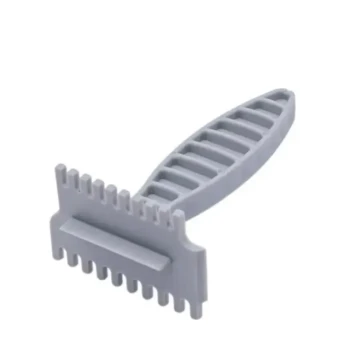
- Lightweight Durable Plastic Queen Excluder Scraper for Beekeeping
- Metal Queen Bee Excluder for Beekeeping
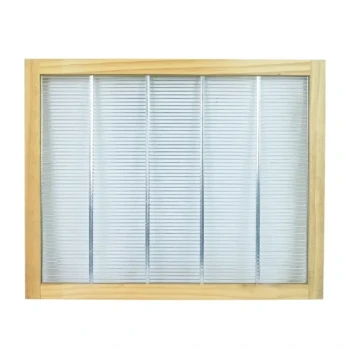
- Premium Wood Framed Metal Wire Queen Bee Excluder
People Also Ask
- What are the characteristics of a plastic queen excluder? Key Benefits for Cost-Effective Beekeeping
- What are the operational and cost advantages of using plastic queen excluders over metal or wire excluders in commercial hive management? Discover how they reduce labor, prevent wing damage, and lower total costs.
- What types of queen excluders are available for beekeepers? Choose the Right Tool for Your Hive
- Why are standardized hive frames and queen excluders essential for maintaining honey purity and quality? Scale Your Purity
- Do plastic queen excluders work? A Cost-Effective Solution for Modern Apiaries