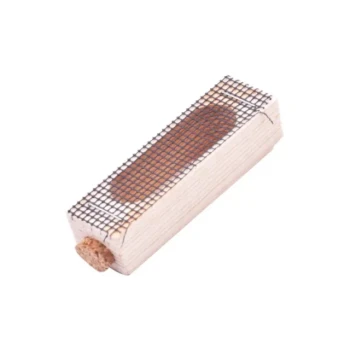
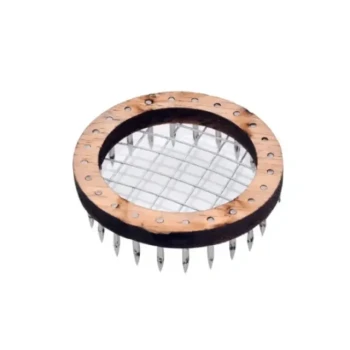
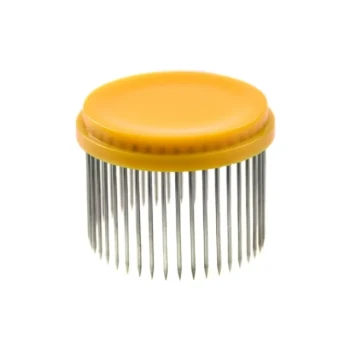
The three primary methods for immobilizing a queen bee are using a press-in cage directly on the comb, utilizing a handheld plunger cage off the frame, or manually holding her between your thumb and forefinger. While the objective of applying a mark to the thorax remains the same, the method you choose largely depends on your dexterity and comfort level with handling the colony's most valuable asset.
Core Takeaway The safest immobilization method for a beekeeper is determined by their experience level; tools like marking cages provide mechanical stability for novices, while manual holding offers speed and efficiency for those with developed tactile sensitivity.
Methods for Safe Immobilization
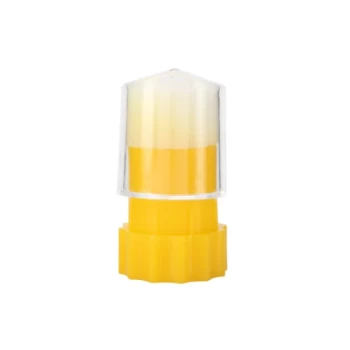
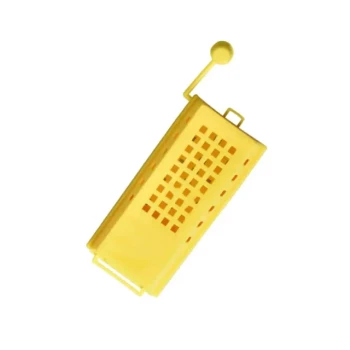
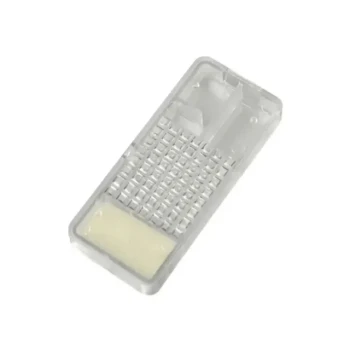
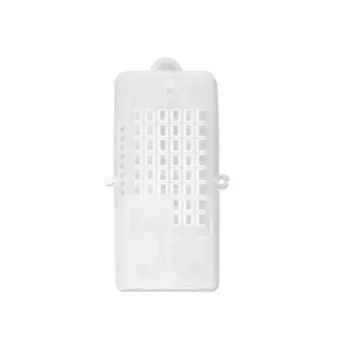
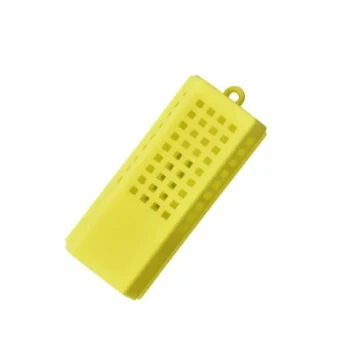
The Handheld Marking Cage (Tube Method)
This method takes place off the frame and is highly recommended for beginners.
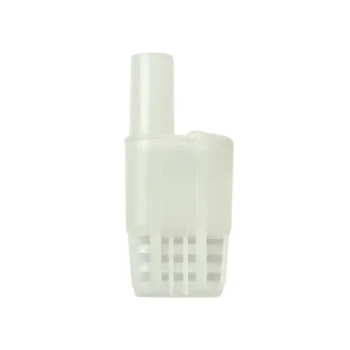
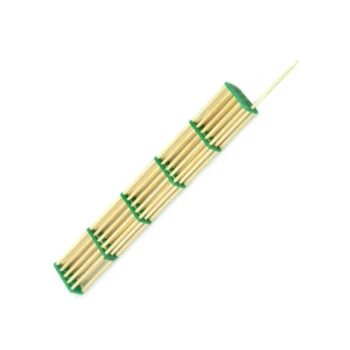
You gently guide the queen into a clear plastic tube or cage. Once she is inside, a soft, foam-topped plunger is inserted to push her upward.
You gently advance the plunger until the queen is pressed against a mesh or barred surface at the top. This immobilizes her without direct finger pressure, allowing for a steady application of the mark through the screen.
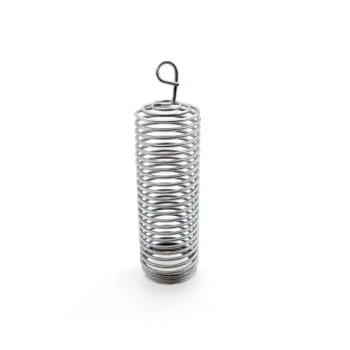
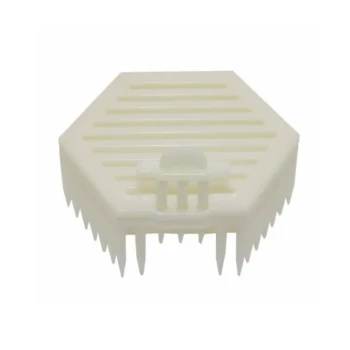
The Press-In Cage (Crown of Thorns)
This is an on-frame method, meaning the queen never leaves the comb.
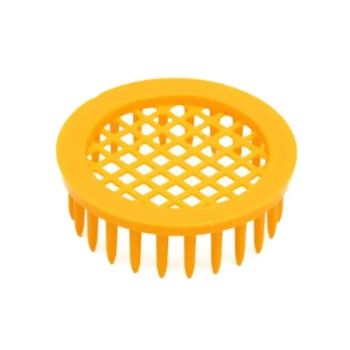
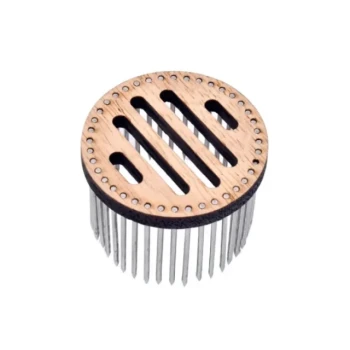
The beekeeper locates the queen on a frame of drawn comb and places a round cage—often called a "crown of thorns"—over her. The cage's prongs are pressed gently into the wax to secure the perimeter.
The queen is restricted to a small area. You must wait for her to position herself in one of the cage's gaps, usually with her back centered, to apply the mark safely.
Manual Immobilization (Finger Method)
This method is performed off the frame and relies entirely on the beekeeper's dexterity.
The beekeeper picks the queen up, holding her gently but firmly between the thumb and forefinger.
This technique requires a balance of pressure: enough to prevent her from escaping or stinging (though queens rarely sting humans), but light enough to avoid crushing her internal organs.
Critical Trade-offs and Safety
Risk of Physical Injury
Manual holding carries the highest risk of injury to the queen. Squeezing the abdomen can damage her reproductive organs, potentially causing the hive to supersede (replace) her.
Tools like the marking tube minimize this risk by distributing pressure evenly via the foam plunger. However, pressing the plunger too aggressively can still harm the queen against the screen.
Stability and Accuracy
The press-in cage offers excellent stability but can be time-consuming. You are at the mercy of the queen's movement within the cage; you must wait for her to stop moving to ensure you mark the thorax and not the head or wings.
The handheld plunger cage forces the queen into a static position. This usually guarantees the cleanest application of paint or numbered stickers, which is vital for record-keeping.
Speed vs. Security
Manual holding is the fastest method, preferred by commercial beekeepers who mark hundreds of queens. It requires no extra equipment.
However, for hobbyists, the time saved is negligible compared to the security provided by a cage. Using a tool prevents the "flight risk" of dropping the queen into the grass or having her fly away during the process.
Making the Right Choice for Your Goal
Selecting the right method ensures the queen remains unharmed and the mark is applied correctly to the thorax.
- If your primary focus is maximum safety and stability: Use the Handheld Marking Cage (Tube) to fully secure the queen before applying paint.
- If your primary focus is minimal disturbance to the queen: Use the Press-In Cage (Crown of Thorns) to keep her on the comb and avoid picking her up entirely.
- If your primary focus is speed and efficiency: Use the Manual Immobilization method, provided you have the experience to apply the correct pressure without hesitation.
Master the method that allows you to remain calm, as a shaking hand is more dangerous to the queen than the tool itself.
Summary Table:
| Method | Location | Best For | Risk Level | Speed |
|---|---|---|---|---|
| Handheld Marking Cage | Off-frame | Beginners / Hobbyists | Low | Moderate |
| Press-In Cage | On-frame | Minimal Disturbance | Low | Slow |
| Manual Holding | Off-frame | Commercial Beekeepers | High | Fast |
Scale Your Apiary Operations with HONESTBEE
Proper queen management is the heartbeat of a productive colony. Whether you are a distributor looking to supply the best tools or a commercial apiary seeking high-efficiency equipment, HONESTBEE is your strategic partner.
We provide a comprehensive wholesale range, from precision beekeeping hand tools and protective gear to industrial-grade honey-filling and hive-making machinery. Our mission is to empower professionals with durable, high-performance equipment and essential industry consumables.
Ready to elevate your beekeeping business?
Contact HONESTBEE Today to explore our wholesale catalog and discover how our expertise can streamline your production.
Related Products
- Plastic Queen Marking Tube Cage with Plunger for Beekeeping
- Queen Bee Marking Tube Cage Bottle Catcher Holder with Clear Plastic Plunger Marker
- One Hand Yellow Queen Marking Catcher Tube Cage Beekeeper Tool Accessory for Queen Bee
- Plastic Long Marker Device for Catching and Marking Bees Queen Bee Marking Tube and Cage
- Transparent Plastic Bee Catcher Queen Marker Tube Cage Beekeeping Tool Equipment
People Also Ask
- What is the function of a queen marker cage? Essential Guide to Safe Beekeeping Management
- What are the functional differences between a push-in queen marking cage and a queen marking tube? Choose the Best Tool
- How do you capture and immobilize a bee for marking? Master Safe Queen Handling for Your Apiary
- What tools are available for safely marking queens? A Guide to Secure and Efficient Queen Marking
- How does a queen marking tube facilitate the marking process? Enhance Safety and Precision in Your Apiary