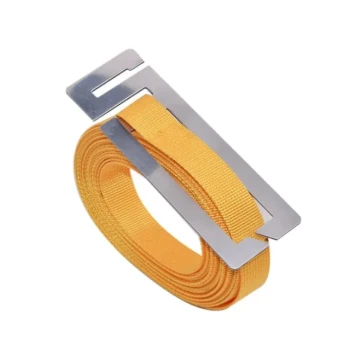
Effective hive beetle trapping relies on a combination of correct placement, appropriate baiting, and rigorous maintenance. To achieve the best results, place traps between frames or near hive entrances, fill them halfway with a killing agent like vegetable oil or diatomaceous earth, and adhere to a strict inspection schedule to keep them functional. However, mechanical traps are most effective when viewed as one part of a larger strategy that includes maintaining strong, stress-free colonies.
Traps are tools for management, not magic bullets for eradication. Real success comes from deploying traps early in the season—specifically spring and early summer—to suppress beetle populations before they can overwhelm a colony.
Strategic Setup and Placement
Selecting the Location
Beetles typically enter through the main opening or cracks in the hive. Therefore, traps should be placed inside the hive, ideally near the entrance or positioned between the frames where beetles are most likely to traverse.
Choosing the Killing Agent
The compartment of the trap must be filled with a substance that neutralizes the pest. A highly effective method is filling the trap halfway with liquid oil (such as cooking or mineral oil), which drowns the beetles upon entry.
Alternative Substances
Food-grade diatomaceous earth is a viable alternative to oil. This powder works by cutting the beetle's exoskeleton, leading to dehydration and death, though it does not physically immobilize them like oil.
Proper Dosage
The number of traps used should correlate with the threat level. For routine maintenance, install one trap for every eight frames. If you are facing an aggressive infestation, double this density to two traps per eight frames.
Timing and Maintenance
Critical Seasonal Timing
The most impactful window for trapping is during spring and early summer. Deploying traps during this period checks population growth early, preventing infestations from reaching levels that cause irreparable damage later in the year.
The Necessity of Regular Inspection
As the Primary Reference emphasizes, you must regularly inspect your hives. A trap filled with dead beetles or spoiled bait loses its efficacy and can become a sanitary issue for the bees.
Keeping Traps Functional
Hygiene is crucial for efficiency. Traps must be kept clean and fully functional; if they become clogged or damaged, they must be serviced or replaced immediately to ensure they continue to capture pests effectively.
Understanding the Trade-offs
Bait Risks
While some traps use pollen to attract beetles, this approach carries a significant risk. Pollen baits can inadvertently lure more beetles to the hive from the surrounding environment, potentially worsening the problem you are trying to solve.
Maintenance vs. Ease of Use
Oil traps are highly effective but require frequent maintenance to replace the fluid. "Beetle Blasters" are easier to install but may not capture enough beetles to control a heavy infestation on their own.
Safety Precautions
Never use toxic chemicals like boric acid inside the hive, especially when honey supers are present. Stick to food-safe options like mineral oil or vegetable oil to ensure the safety of your honey and bees.
The Role of Colony Health
Traps Cannot Fix Weakness
Traps should never be your only line of defense. They function best when supporting a strong, healthy colony. A weak colony cannot effectively police the hive, making it vulnerable regardless of how many traps you install.
Reducing Hive Stress
As noted in the primary documentation, reducing hive stress is a critical partner to trapping. Stress factors, such as disease or queenlessness, lower the colony's natural defenses, making beetle infestation more likely.
Making the Right Choice for Your Goal
- If your primary focus is routine prevention: Install one oil-based trap per eight frames and check it during your standard hive inspections.
- If your primary focus is controlling an outbreak: Increase density to two traps per eight frames and inspect weekly to remove dead beetles and refresh the oil.
- If your primary focus is hive safety: Strictly avoid chemical pesticides like boric acid; rely on food-grade oil or diatomaceous earth.
Traps are a vital component of pest management, but they must be paired with strong colony stewardship to truly protect your apiary.
Summary Table:
| Feature | Recommendation | Details |
|---|---|---|
| Placement | Between frames or near entrances | Targets beetle entry and traversal paths. |
| Killing Agent | Vegetable oil, mineral oil, or DE | Fills trap halfway; oil drowns, DE dehydrates. |
| Trap Density | 1-2 traps per 8 frames | Increase density for aggressive infestations. |
| Optimal Timing | Spring and early summer | Suppresses population before peak growth. |
| Maintenance | Weekly or bi-weekly inspection | Clean and refill to prevent sanitation issues. |
| Safety | Food-grade substances only | Avoid boric acid or toxic chemicals. |
Secure Your Apiary’s Success with HONESTBEE
At HONESTBEE, we understand that commercial apiaries and distributors require more than just products—they need reliable solutions. From specialized hive-making and honey-filling machinery to high-quality beekeeping tools and essential consumables, our comprehensive wholesale offering is designed to scale your operations and protect your colonies.
Whether you are looking to stock durable hive beetle traps for distribution or upgrade your honey production line, our expertise in beekeeping hardware and cultural merchandise ensures you stay ahead of the competition. Partner with the industry leaders today.
Contact HONESTBEE Now to explore our wholesale catalog and see how we can add value to your business.
Related Products
- Removable Washable Hive Beetle Trap Attractants for Small Hive Beetles
- Black Plastic Beetle Barn Hive Beetle Trap for Beehives
- Reusable Clear Small Hive Beetle Traps for Beehives Beetle Trapping Tools
- Reusable Aluminium Beetle Trap for Small Hive Beetles Silver Bullet
- Plastic Beetle Blaster Trap Beekeeping Tools and Supplies
People Also Ask
- How should powdered substances be used in beetle traps for hive beetle control? Expert Guide for Maximum Colony Protection
- What are the three main types of hive beetle traps? Expert Solutions for Protecting Your Bee Colonies
- What are the types of hive beetle traps available? Master Your Beetle Control Strategy
- What are the main types of hive beetle traps available? A Beekeeper's Guide to Effective Control
- What are the available chemical-free options for trapping hive beetles? Safe and Effective Pest Management Solutions