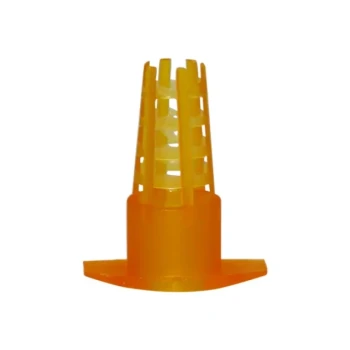
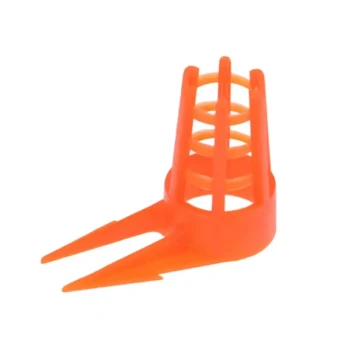
Queen cell protectors are critical implementation tools used to safeguard developing queens when transferring them between colonies. The primary methods and types include traditional spiral wire protectors, engineered Perret-Maisonneuve cups, woven bamboo covers, and simple DIY wraps made from aluminum foil.
These devices serve a singular purpose: to physically shield a queen cell during its introduction from a queen-right colony to a queenless one, preventing worker bees from destroying it before acceptance.
Common Types of Protectors
Traditional Spiral Wire
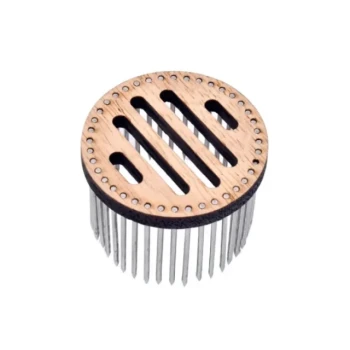
This is one of the most recognizable forms of protection. It consists of a spirally wound piece of wire shaped into a cone.
The structure fits snugly around the queen cell. It allows for ventilation and scent transfer while providing a rigid metal barrier against aggressive worker bees.
Perret-Maisonneuve Cups
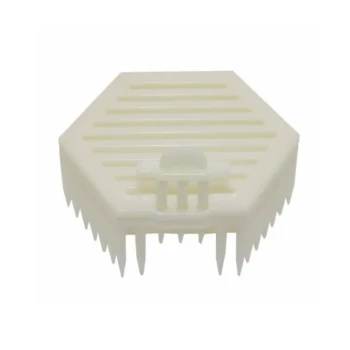
For apiarists seeking a more robust solution, the Perret-Maisonneuve cup offers a high degree of protection.
These are solidly engineered devices designed specifically for this purpose. They offer standardized protection, ensuring that the cell is completely shielded from physical damage during handling and introduction.
Aluminum Foil Wraps
On the other end of the spectrum is the aluminum foil method. This is a simple and inexpensive alternative to commercial products.
Beekeepers can fashion these wraps on the fly using standard household foil. While less rigid than wire or wood, they effectively mask the sides of the cell from chewing bees.
Woven Bamboo
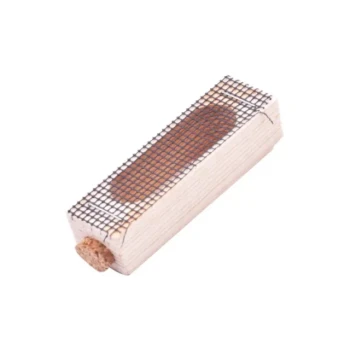
A natural alternative to metal or foil, woven bamboo protectors are also utilized.
These provide a lightweight yet stiff barrier. They offer a texture and material profile that differs from the metallic options, which some apiarists prefer for specific management styles.
The Mechanics of Protection
Shielding During Introduction
The risk to a queen cell is highest when it is moved from a "queen-right" colony (one that already has a queen) to a "queenless" one.
Without protection, the worker bees in the receiving colony may view the new cell as an intruder. They often attempt to tear down the cell walls to kill the developing queen inside.
Facilitating Acceptance
The protector acts as a temporary bunker. It safeguards the vulnerable sides of the wax cell while the colony acclimates to the presence of the new queen.
Ideally, the tip of the cell remains exposed. This allows the queen to chew her way out when she is ready to hatch, by which time the colony has usually accepted her.
Understanding the Trade-offs
Durability vs. Convenience
Commercial options like the spiral wire and Perret-Maisonneuve cups are durable and reusable. However, they require an upfront investment and must be cleaned and stored between uses.
Aluminum foil is essentially free and disposable. However, it lacks structural integrity and requires manual shaping every time, which introduces inconsistency.
Material Interactions
Wire protectors offer excellent ventilation but can deform if mishandled.
Solid cups offer maximum physical protection but may limit airflow more than a wire spiral.
Making the Right Choice for Your Goal
Selecting the right protector depends on your budget, the volume of queens you are raising, and your equipment standards.
- If your primary focus is cost-efficiency: Use aluminum foil wraps, as they are effective for small-scale operations and require no equipment purchase.
- If your primary focus is durability and reusability: Invest in Perret-Maisonneuve cups or spiral wire, which provide consistent results over many seasons.
- If your primary focus is using natural materials: Opt for woven bamboo protectors to avoid introducing metal or disposables into the hive.
The best protector is simply the one that ensures your queen emerges safely to lead the new colony.
Summary Table:
| Protector Type | Material | Main Advantage | Best Use Case |
|---|---|---|---|
| Spiral Wire | Metal | High ventilation & rigidity | Professional apiaries |
| Perret-Maisonneuve | Engineered Solid | Maximum physical shielding | Standardized queen rearing |
| Aluminum Foil | Aluminum | Cost-effective & disposable | Small-scale / DIY operations |
| Woven Bamboo | Natural Fiber | Lightweight & eco-friendly | Organic/Natural beekeeping |
Maximize Your Colony Success with HONESTBEE
As a dedicated partner to commercial apiaries and distributors, HONESTBEE provides the professional-grade tools you need to scale your operations. From precision queen rearing equipment to advanced honey-filling machines and specialized hardware, our comprehensive wholesale inventory is designed to boost your efficiency and yield.
Ready to upgrade your beekeeping toolkit? Contact us today to explore our full spectrum of hive-making machinery and essential consumables tailored for industry leaders.
Related Products
- JZBZ Style Shipping Cell Protector for Queen Rearing Kit
- JZBZ Style Push-In Cell Protector for Professional Queen Rearing Kits
- Premium Nicot Style Cell Bar Holder and Queen Cell Cup Holder System
- JZBZ Type Wide Base Plastic Queen Cell Cups for Base Mounting and Queen Rearing
- JZBZ Langstroth Queen Rearing Frame for Beekeeping
People Also Ask
- What is the purpose of queen cell protectors? Safeguard Your Queen Rearing Success
- How can aluminum foil be used to protect a queen cell? Low-Cost Shielding for Queen Introduction
- What is the primary reason for using queen cell protectors? Secure Your Yield with Proven Protection
- What is the role of queen cell protectors and emergence cages? Secure Your Genetic Stock and Hive Stability
- What is the purpose of queen cell protectors in a hive? Secure Your Hive's Future with Professional Protection