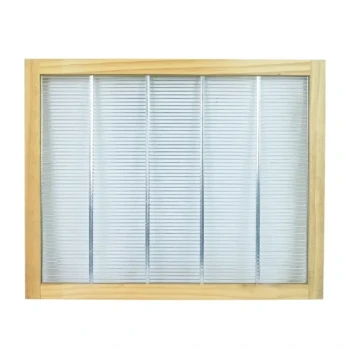
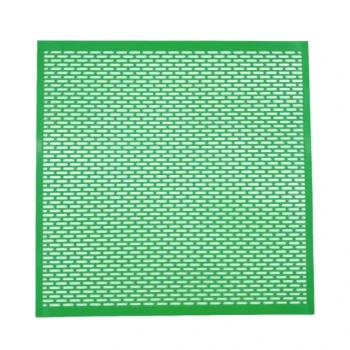
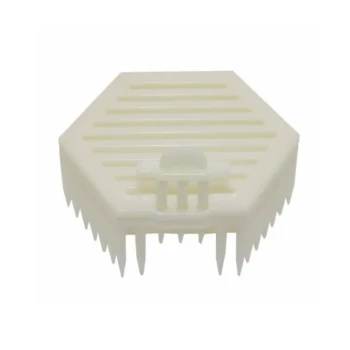
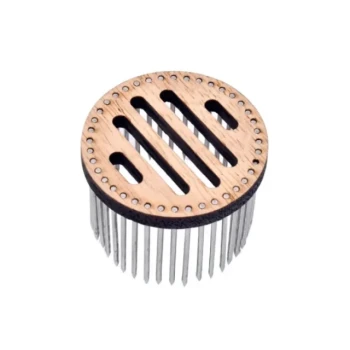
The primary function of queen cell protectors is to prevent the destruction of unhatched queens. Installed approximately 10 to 11 days after grafting, these devices create a physical barrier around mature queen cells. This barrier stops the first queen that emerges—or aggressive worker bees—from destroying the remaining cells, thereby securing the yield of your queen rearing operation.
By isolating mature cells just before hatching, queen cell protectors prevent the natural instinct of "fratricide" among rival queens. This ensures that a single early emergence does not result in the loss of your entire batch of developing queens.
The Biological Necessity for Protection
The Instinct to Eliminate Rivals
In a natural colony, the first virgin queen to emerge views unhatched cells as direct competition. Her biological imperative drives her to locate these cells immediately and sting the occupants to death before they can hatch.
Preventing Worker Sabotage
It is not only the rival queens that pose a threat to your operation. Worker bees may also tear down or destroy queen cells, particularly if the colony conditions change or if they reject the introduced genetics.
Creating a Controlled Environment
Protectors provide a tangible boundary between the vulnerable pupa and the rest of the hive. This ensures that every developed queen has the opportunity to fully emerge safely for collection.
Operational Timing and Strategy
The Critical Installation Window
Timing is the most vital factor when using these consumables. You must install the protectors when the queen cells are fully mature, which is typically 10 to 11 days after grafting.
Maximizing Operational Yield
Without protectors, a batch of 20 queen cells could be reduced to a single survivor within hours of the first hatching. Using protectors ensures that if you grafted 20 cells and they developed successfully, you will harvest 20 live queens.
Safe Introduction and Handling
Beyond simple survival, these tools facilitate the logistics of beekeeping. They allow for the safe handling of the cell and the eventual collection of the virgin queen for introduction into a new colony or mating nuc.
Understanding the Trade-offs
The Risk of Late Installation
If you miss the 10-to-11-day window by even a small margin, you render the protectors useless. If a single queen emerges before the protectors are on, she may have already destroyed the other cells, wasting your effort and equipment.
Dependency on Precision
Using protectors adds a layer of manual labor and strict scheduling to your workflow. You cannot rely on approximate dates; you must track the exact age of the graft to ensure the protectors are applied before the first emergence occurs.
Making the Right Choice for Your Apiary
To effectively integrate queen cell protectors into your workflow, consider your specific operational goals:
- If your primary focus is maximizing production volume: You must use protectors to guarantee that the first hatched queen does not eliminate the rest of your stock.
- If your primary focus is breeding consistency: Use these tools to ensure every grafted genetic line has a safe environment to emerge, preventing the loss of specific traits due to random early hatching.
By adhering to the 10-day schedule, you transform a chaotic natural process into a predictable, high-yield operation.
Summary Table:
| Feature | Purpose | Critical Timing |
|---|---|---|
| Physical Barrier | Prevents first-emerged queens from stinging rivals | 10-11 Days post-grafting |
| Worker Protection | Stops worker bees from tearing down or rejecting cells | Throughout final maturation |
| Yield Optimization | Ensures multiple live queens from a single batch | Prior to first hatching |
| Handling Safety | Facilitates safe movement of cells to mating nucs | Final 48 hours of development |
Boost Your Apiary's Productivity with HONESTBEE
At HONESTBEE, we specialize in empowering commercial apiaries and distributors with the professional-grade tools needed for high-yield operations. Whether you are looking for precision beekeeping consumables like queen cell protectors or heavy-duty machinery such as hive-making and honey-filling systems, we provide the full spectrum of equipment to scale your business.
Why partner with HONESTBEE?
- Comprehensive Wholesale Range: From specialized hardware to essential industry consumables.
- Industry Expertise: Tailored solutions for large-scale queen rearing and honey production.
- Global Support: Reliable supply chains for beekeeping tools and honey-themed merchandise.
Ready to enhance your operational efficiency? Contact us today to discuss our wholesale offerings and discover how we can support your growth.
References
- Ajay Sharma, Anju Sharma. Evaluation of priming media and queen cup material on larval graft acceptance and queen emergence in Apis mellifera L.. DOI: 10.22271/j.ento.2020.v8.i4q.7268
This article is also based on technical information from HonestBee Knowledge Base .
Related Products
- JZBZ Style Shipping Cell Protector for Queen Rearing Kit
- JZBZ Style Push-In Cell Protector for Professional Queen Rearing Kits
- Premium Nicot Style Cell Bar Holder and Queen Cell Cup Holder System
- JZBZ Type Wide Base Plastic Queen Cell Cups for Base Mounting and Queen Rearing
- JZBZ Langstroth Queen Rearing Frame for Beekeeping
People Also Ask
- What is the purpose of queen cell protectors? Safeguard Your Queen Rearing Success
- How can aluminum foil be used to protect a queen cell? Low-Cost Shielding for Queen Introduction
- What are some methods and types of queen cell protectors? Safeguard Your Queen Introduction Process
- What is the role of queen cell protectors and emergence cages? Secure Your Genetic Stock and Hive Stability
- What is the purpose of queen cell protectors in a hive? Secure Your Hive's Future with Professional Protection