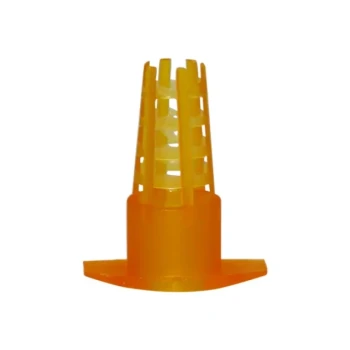
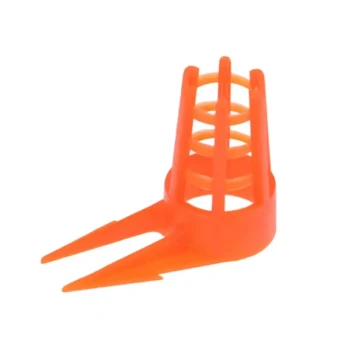
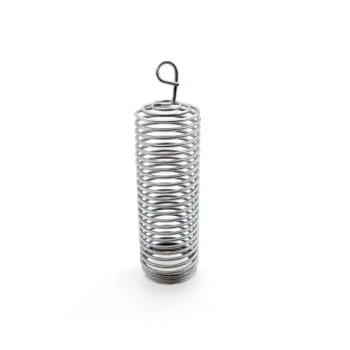
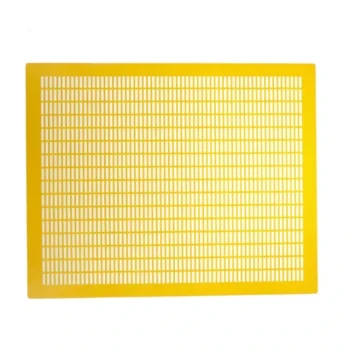
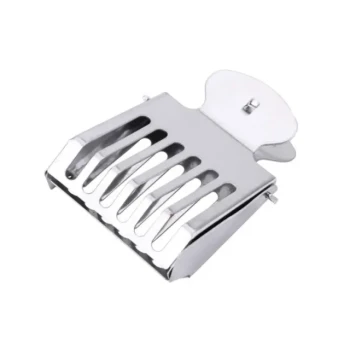
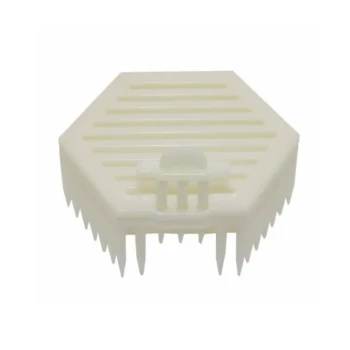
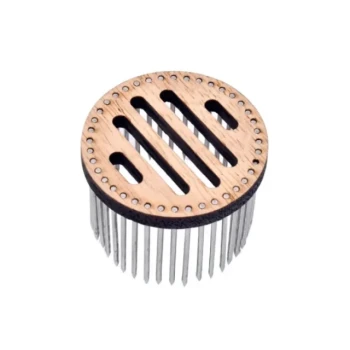
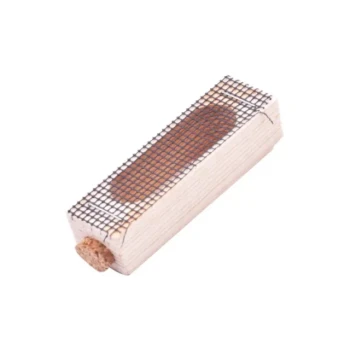
Queen cell protectors serve as a physical barrier designed to safeguard unhatched honey bee queens from destruction. Their primary function is to block the first virgin queen that emerges—or aggressive worker bees—from stinging and killing the remaining developing queens in the hive, ensuring they survive until the beekeeper can utilize them.
By nature, the first queen to hatch will instinctively destroy her competition. Queen cell protectors interrupt this cycle, allowing beekeepers to preserve multiple queens from a single batch rather than losing them to natural elimination.
The Core Function of Protectors
Preventing Natural Regicide
In a honey bee colony, the first virgin queen to emerge has a strong instinct to eliminate rivals. She will seek out unhatched queen cells, chew through the sidewalls, and sting the occupants to death.
Queen cell protectors encase the sides of the cell in a durable material. This prevents the emerged queen from accessing the vulnerable sidewalls of the unhatched cells, keeping the developing queens safe inside.
Defense Against Worker Bees
It is not only the rival queens that pose a threat to developing cells. Under certain conditions, worker bees may also attempt to tear down or destroy queen cells.
Protectors provide a safeguard against this behavior. By shielding the cell structure, they ensure that worker bees cannot easily dismantle the wax cell before the queen is ready to emerge.
Operational Timing and Use
The Critical Installation Window
Timing is vital when using these devices. According to standard queen rearing protocols, protectors should be installed approximately 10 to 11 days after grafting.
At this stage, the queen cells are mature (ripe) but have not yet hatched. Installing them earlier may be unnecessary, while installing them later risks the first queen emerging and destroying the batch before you intervene.
Maximizing Production Yields
For beekeepers engaged in queen rearing, yield is the most important metric. Without protectors, a batch of cells could result in only one surviving queen.
By using protectors, a beekeeper ensures that every mature queen in the hive or nucleus box has the opportunity to emerge safely. This creates a controlled environment where the total number of viable queens is maximized.
Operational Constraints and Requirements
Dependence on Precision
While effective, queen cell protectors are not "set and forget" tools; they require strict adherence to the biological calendar of the bee.
The effectiveness of the protector is entirely dependent on the beekeeper's ability to track the age of the graft. If the 10-to-11-day window is missed, the device becomes useless because the destruction will likely have already occurred.
Making the Right Choice for Your Goal
Whether you are a commercial breeder or a hobbyist making splits, understanding when to use these tools is key to success.
- If your primary focus is high-volume queen rearing: Use protectors on day 10 or 11 to prevent early hatchers from destroying your inventory and to maximize your total yield.
- If your primary focus is creating splits: Utilize protectors to safeguard mature cells while you prepare separate nucleus colonies for each new queen.
By neutralizing the colony's natural instinct to reduce queen numbers, protectors give you control over the hive's reproductive resources.
Summary Table:
| Feature | Purpose & Benefit |
|---|---|
| Primary Function | Physical barrier to prevent the first emerged queen from stinging unhatched rivals. |
| Worker Protection | Shields wax cell walls from being dismantled or torn down by aggressive worker bees. |
| Installation Window | Optimal usage at 10-11 days post-grafting for mature (ripe) queen cells. |
| Yield Impact | Maximizes production by allowing multiple queens to emerge safely from a single batch. |
| Target User | Essential for commercial queen breeders and beekeepers creating hive splits. |
Maximize Your Apiary’s Yield with HONESTBEE Professional Equipment
For commercial apiaries and distributors, every queen cell represents the future of a colony. HONESTBEE provides the industry-leading beekeeping tools, machinery, and consumables you need to scale your operations and protect your investments. From specialized queen rearing hardware to full-scale hive-making and honey-filling machines, our comprehensive wholesale portfolio is designed to enhance your efficiency and production success.
Ready to upgrade your beekeeping infrastructure? Contact HONESTBEE Today to Discuss Your Wholesale Needs
Related Products
- JZBZ Style Shipping Cell Protector for Queen Rearing Kit
- JZBZ Style Push-In Cell Protector for Professional Queen Rearing Kits
- Premium Nicot Style Cell Bar Holder and Queen Cell Cup Holder System
- JZBZ Type Wide Base Plastic Queen Cell Cups for Base Mounting and Queen Rearing
- JZBZ Langstroth Queen Rearing Frame for Beekeeping
People Also Ask
- What is the purpose of queen cell protectors? Safeguard Your Queen Rearing Success
- How can aluminum foil be used to protect a queen cell? Low-Cost Shielding for Queen Introduction
- What are some methods and types of queen cell protectors? Safeguard Your Queen Introduction Process
- What is the primary reason for using queen cell protectors? Secure Your Yield with Proven Protection
- What is the role of queen cell protectors and emergence cages? Secure Your Genetic Stock and Hive Stability