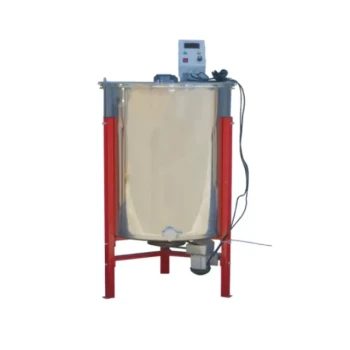
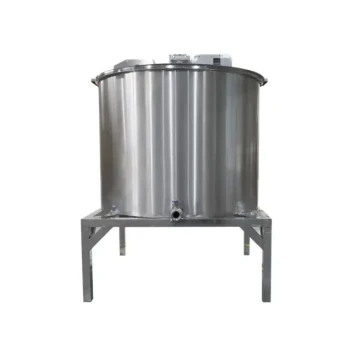
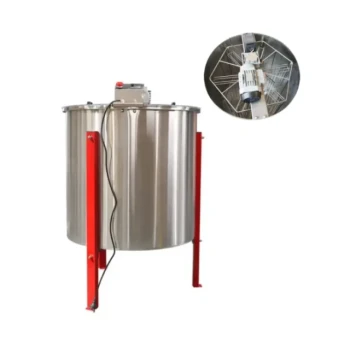
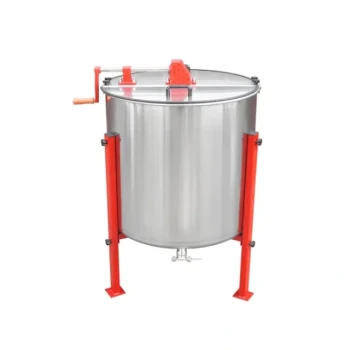
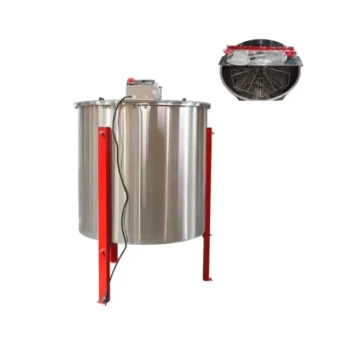
Efficient honey extraction using a centrifuge hinges on proper frame preparation and the precise control of rotational forces. To achieve the best results, prioritize harvesting fully capped honeycombs and optimize both the speed and direction of the extractor to empty cells thoroughly without damaging the wax structure. Additionally, utilizing extractors that allow for frame tilting can significantly improve yield by letting gravity assist the centrifugal force.
Core Insight: True efficiency in centrifugal extraction is not merely about speed; it is about balancing maximum honey removal with the preservation of the drawn comb. By keeping the wax structure intact, you eliminate the need for bees to rebuild it, saving the colony significant energy and resources for future production.
Optimizing Frame Preparation
Selecting the Right Frames
For the most efficient extraction, ensure you harvest frames that are fully capped by the bees. Capped honey indicates the nectar has been properly dehydrated to the correct moisture content, ensuring quality and preventing fermentation during storage.
The Uncapping Process
Before placing frames in the centrifuge, you must remove the wax layer sealing the cells. Use a heated knife or an uncapping fork to slice or scratch off the cappings, exposing the honey for extraction.
Managing the Hive Environment
Prior to removing frames, use a bee smoker and a soft brush to gently clear bees from the comb. This keeps the process safe for the beekeeper and minimizes stress on the colony.
Mastering Centrifuge Dynamics
Controlling Speed and Direction
Do not immediately spin the extractor at maximum velocity. You must optimize the speed to fling honey out effectively while preventing the centrifugal force from blowing out (breaking) the wax comb. Start slower to balance the load, then increase speed to finish.
Leveraging Gravity
If your equipment allows, tilt the frames during the spinning process. This mechanical advantage allows gravity to work in tandem with rotational force, ensuring that honey flows out of the angled cells more completely.
Preserving the Drawn Comb
The primary mechanical advantage of a centrifuge is its ability to extract liquid without destroying the solid structure. Operate the machine carefully to keep the drawn comb intact, allowing you to return the empty frames to the hive for immediate reuse.
Hygiene and Storage Protocols
Equipment Maintenance
Efficiency is lost if the harvest is spoiled by contamination. The extractor must be kept rigorously clean before and after use to prevent debris or bacterial growth from affecting the honey's flavor and safety.
Proper Bottling
Once extracted, strain the honey through filters into a bottling pail to remove wax particles. Store the final product in clean, airtight containers (glass or plastic) with tight-fitting lids to maintain freshness.
Tracking Quality
Always label your containers with the date of extraction and the origin of the honey. This practice is essential for tracking quality over time and managing inventory effectively.
Understanding the Trade-offs
Initial Investment vs. Long-Term Value
Using a centrifuge requires a medium to high initial investment compared to simpler methods like crush-and-strain. While the machinery is more expensive, the speed of processing and the preservation of wax frames offer a higher return on investment for serious operations.
Complexity of Operation
Unlike manual straining, a centrifuge introduces mechanical variables. You must monitor balance and speed carefully; an unbalanced load can cause the machine to "walk" or vibrate excessively, potentially damaging the equipment or the frames.
Making the Right Choice for Your Goal
To determine how best to apply these principles, consider your immediate objectives:
- If your primary focus is maximum honey yield: Prioritize fully capped frames and high-speed spinning (after an initial slow spin) to extract every drop.
- If your primary focus is colony health and sustainability: Focus on keeping the extractor speed controlled to ensure the drawn comb remains perfectly intact for reuse.
By respecting the mechanics of the centrifuge and the biology of the hive, you ensure a harvest that is efficient for you and sustainable for your bees.
Summary Table:
| Extraction Step | Best Practice | Benefit |
|---|---|---|
| Frame Selection | Harvest only fully capped frames | Ensures low moisture and prevents fermentation |
| Uncapping | Use a heated knife or uncapping fork | Exposes honey while minimizing wax damage |
| Spin Speed | Start slow, then increase gradually | Prevents comb blowouts and ensures thorough extraction |
| Frame Position | Tilt frames if equipment allows | Leverages gravity to improve honey flow |
| Maintenance | Rigorous cleaning and airtight storage | Maintains purity and extends product shelf life |
Scale Your Honey Production with HONESTBEE
Maximize your apiary's efficiency with professional-grade equipment from HONESTBEE. As a premier partner for commercial apiaries and distributors, we provide a comprehensive wholesale range designed to optimize every stage of your harvest.
Our Value to You:
- Advanced Machinery: From high-capacity honey-filling machines to precision-engineered centrifuges.
- Quality Tools: A full spectrum of beekeeping hardware and essential industry consumables.
- Growth Support: Everything from hive-making equipment to honey-themed cultural merchandise to expand your brand.
Ready to upgrade your operation with reliable, high-performance beekeeping technology? Contact us today to discuss your wholesale needs!
Related Products
- electric honey extractor honey centrifuge 3 frame honey extractor stainless steel honey frame extractor
- Manual Hand Crank 4 Frame Honey Extractor Centrifuge for Beekeeping
- Professional 4 Frame Self Reversing Electric Honey Extractor for Beekeeping
- Honey Concentrating and Filtering Dehumidifier Machine 2T Capacity for Honey
- Honey Concentrating Vacuum Heating Thickening Machine Dehumidifier for Honey
People Also Ask
- What are the characteristics of electric honey extractors? Boost Your Apiary Efficiency with Automated Technology
- What are the disadvantages of using an electric honey extractor? Weighing Cost, Power, and Comb Safety
- What are the advantages of an electric honey extractor? Boost Efficiency and Scale Your Honey Production
- What are the technical advantages of electric honey extractors? Maximize Yield and Protect Your Bee Colony
- How does an electric honey extractor affect the quality of honey? Preserve Flavor & Purity with Precision Extraction