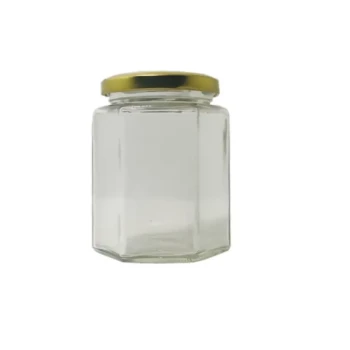
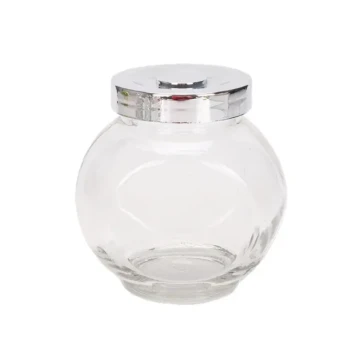
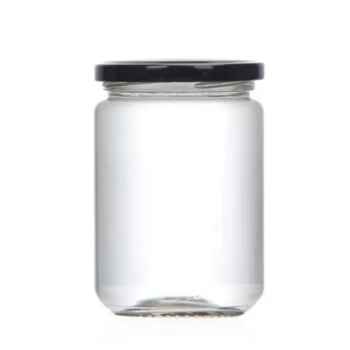
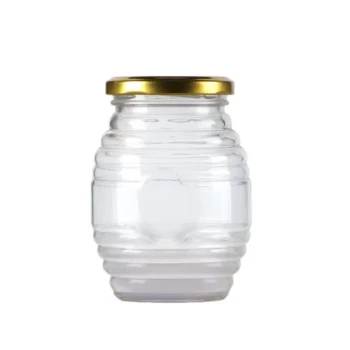
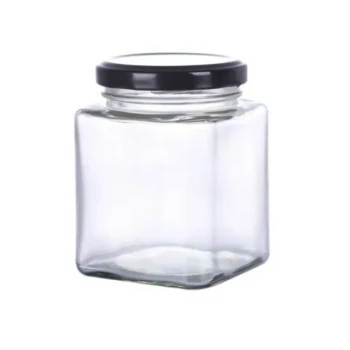
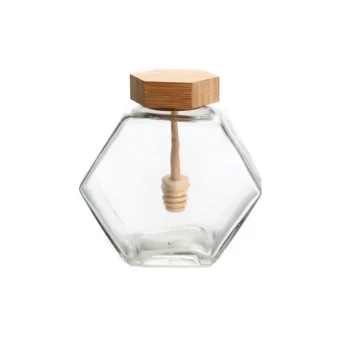
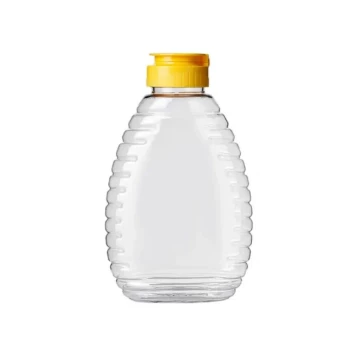
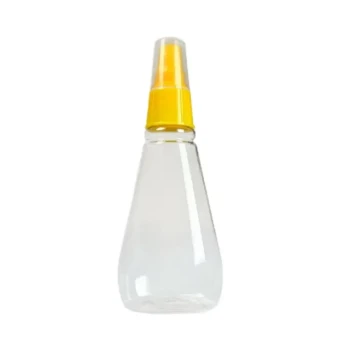
The definitive advantage of using glass for honey packaging is its ability to maintain absolute product purity. As a non-reactive and non-porous material, glass ensures that the honey’s flavor, aroma, and quality remain unaltered over time. However, this preservation comes with the distinct disadvantages of high weight and fragility, which significantly increase shipping costs and require rigorous handling protocols to prevent shattering.
The core insight here is that glass is a technical choice for preservation, not just an aesthetic one. While it imposes logistical burdens, it is the only material that guarantees the honey remains chemically identical to when it left the hive, offering an indefinite shelf life without the risk of leaching.
Preserving Chemical and Sensory Integrity
Chemical Inertness
Glass is chemically neutral. Unlike reactive materials, it remains stable when in contact with the natural acidity of honey. This ensures that the container never imparts foreign flavors or alters the honey's delicate chemical composition.
Prevention of Leaching
Plasticizers and chemical contaminants are a major concern in food packaging. Glass creates a zero-leaching environment, ensuring that no synthetic compounds migrate into the honey. This is critical for producers marketing "raw" or organic products where purity is the primary value proposition.
Superior Barrier Properties
Glass is entirely non-porous. It creates an impermeable barrier against external oxygen and moisture. Because honey is hygroscopic (it absorbs water from the air), this barrier is essential for preventing fermentation and spoilage.
Visual Verification and Market Perception
Visual Transparency
High-transparency glass allows for immediate visual inspection. Consumers can directly assess the honey's color, viscosity, and purity before purchasing. This removes ambiguity and serves as a powerful tool for establishing trust.
Crystallization Visibility
Raw honey naturally crystallizes over time. Glass allows the consumer to see this texture, which is often interpreted by educated buyers as a sign of authenticity. Rather than hiding this natural process, glass showcases it as a feature of the product's quality.
The Premium Aesthetic
Glass conveys a sense of substance and quality. The tactile experience of a heavy, rigid container signals a high-end product to the consumer. This perception often justifies a higher price point in retail environments.
Understanding the Trade-offs: Weight and Fragility
Substantial Weight Increase
Glass is significantly heavier than plastic alternatives. A standard empty 1 lb glass jar can weigh between 14 to 16 ounces, nearly doubling the gross weight of the final product. This drastic weight increase directly correlates to higher shipping and fuel costs.
High Susceptibility to Shattering
The rigidity of glass makes it brittle. It is prone to shattering during transport or handling, leading to total product loss. This necessitates additional investment in protective materials, such as reinforced boxes and bubble wrap, further driving up the cost per unit.
Storage Limitations
Glass requires structured warehousing. Unlike durable plastic containers, glass cannot be stacked to significant heights without risking structural failure or crushing the bottom layers. This limits storage density and increases the warehouse footprint required for inventory.
Making the Right Choice for Your Goal
To decide if glass is the correct material for your specific application, weigh your distribution model against your brand promise.
- If your primary focus is Premium Retail and Purity: Choose glass to guarantee flavor integrity, extend shelf life, and command a higher price point through superior aesthetics.
- If your primary focus is E-commerce and Efficiency: Reconsider glass, as the compounded costs of shipping weight and breakage insurance may erode your margins compared to high-quality PET plastics.
Glass ultimately serves as the superior vessel for quality preservation, prioritizing the integrity of the honey above the convenience of the distributor.
Summary Table:
| Feature | Advantages of Glass | Disadvantages of Glass |
|---|---|---|
| Product Integrity | Chemically inert; zero leaching or flavor alteration. | Heavy weight increases fuel and shipping costs. |
| Barrier Quality | 100% non-porous; prevents moisture and fermentation. | Brittle and prone to shattering during transit. |
| Market Appeal | Premium look with high transparency for visual trust. | Requires expensive protective packaging materials. |
| Shelf Life | Indefinite preservation of aroma and viscosity. | Limited vertical stacking density in warehouses. |
Elevate Your Apiary Business with HONESTBEE
At HONESTBEE, we understand that the right packaging and equipment are vital to maintaining the purity of your honey. Whether you are a commercial apiary or a global distributor, we provide a comprehensive wholesale range of beekeeping tools, machinery, and essential consumables.
From advanced honey-filling machines designed for delicate glass handling to specialized hive-making hardware and honey-themed cultural merchandise, we offer the technical solutions you need to scale your operations.
Ready to optimize your production and preserve your product's value?
Contact HONESTBEE Today for Wholesale Solutions
Related Products
- Hexagonal Glass Honey Jars with Metal Lug Caps Elegant Versatile Packaging
- Classic Drum Shaped Glass Honey Jar with Airtight Lid
- Classic Round Glass Honey Jar with Lid
- Classic Glass Honey Jar with Metal Lug Cap for Beehive Storage
- Modern Square Glass Honey Jar with Twist Off Lid
People Also Ask
- What is the aesthetic appeal of using glass jars for honey? Elevate Your Brand with Premium Packaging
- What are the logistical challenges associated with using glass jars for honey packaging? Navigating Weight & Fragility
- What are the advantages of glass containers for honey? Elevate Quality and Market Value with Premium Packaging
- What are the technical advantages of using glass jars for honey? Master Commercial Packaging for Premium Purity
- What are the advantages of using glass jars for honey packaging? Preserve Purity & Elevate Your Brand