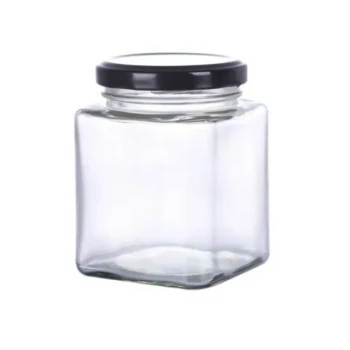
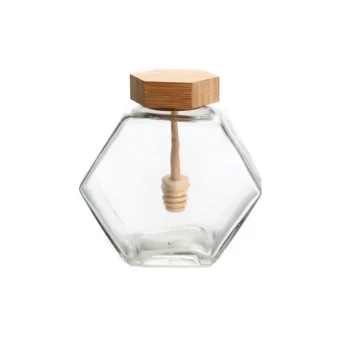
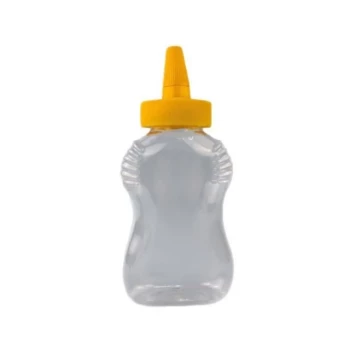
Plastic packaging offers a practical, cost-effective solution for honey producers prioritizing durability and logistical efficiency. While it significantly reduces the risk of breakage and lowers shipping costs, it introduces distinct challenges regarding chemical stability and long-term product preservation compared to inert materials like glass.
The choice to use plastic involves trading the absolute purity and long-term stability of your honey for superior durability, design versatility, and reduced logistical costs.
The Logistical and Economic Edge
Durability and Safety
The most immediate advantage of plastic is its resistance to breakage. Unlike glass, plastic containers—whether small retail bottles or industrial pails—can withstand rough terrain and handling during transport without shattering.
Cost and Weight Efficiency
Plastic is significantly more affordable to manufacture and purchase than glass. Furthermore, its lightweight nature reduces overall shipping weights, leading to lower carbon emissions and reduced freight costs for large-scale logistics.
Versatility in Design
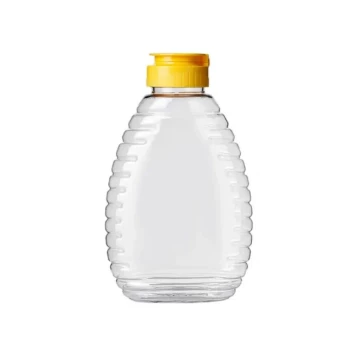
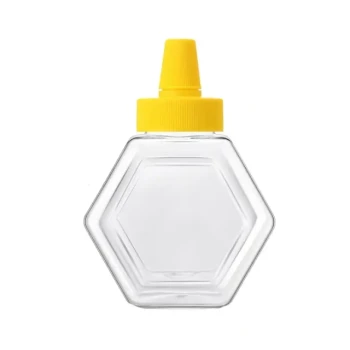
Plastic offers a wider range of sizes and styles than most other materials. This flexibility allows for unique branding opportunities, such as squeeze bottles, bear-shaped containers, or custom molded jugs that stand out on a shelf.
Implications for Honey Quality
The Risk of Chemical Leaching
A critical disadvantage identified in primary testing is the potential for chemical migration. Over time, plasticizers or other compounds from the container can leach into the honey, potentially altering its natural taste profile.
Porosity and Crystallization
Plastic is inherently porous, meaning it is not completely airtight at a microscopic level. This can lead to the gradual evaporation of the honey's water content, which accelerates the natural process of crystallization and changes the texture of the product.
Preservation of Biological Activity
Honey contains unstable antibacterial components, such as hydrogen peroxide, which give it therapeutic value. Plastic barriers are less effective than glass at maintaining the biological activity of these components, potentially reducing the honey's efficacy as a natural remedy over long periods.
Understanding the Trade-offs
Material Grade Selection
Not all plastics carry the same level of risk. High-density polypropylene (PP) containers offer better chemical stability and mechanical strength than standard plastics, providing a middle ground that protects against leaks and external contamination more effectively.
Reactivity Comparison
While plastic has downsides compared to glass, it is superior to metal containers for raw honey. Food-grade plastic does not react with honey's acidic components, avoiding the introduction of metal ions that can degrade purity during bulk storage.
Making the Right Choice for Your Goal
Selecting the right packaging requires aligning the material properties with your product's market positioning.
- If your primary focus is large-scale logistics or bulk transport: Prioritize high-quality, industrial-grade plastic (like PP) to ensure durability and prevent reaction with honey's acidity while keeping shipping costs low.
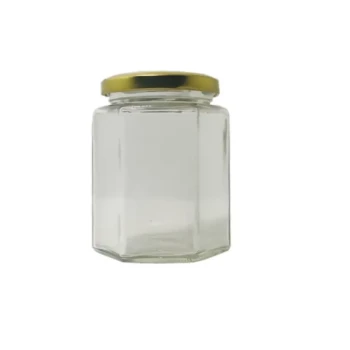
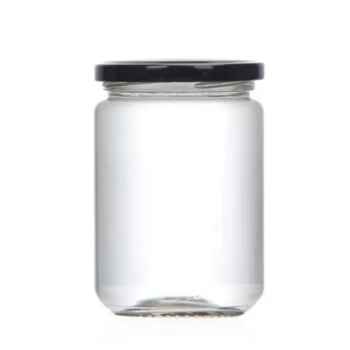
- If your primary focus is premium retail or medicinal value: Choose glass packaging to guarantee an airtight seal, prevent chemical leaching, and preserve the honey's complex flavor and antibacterial properties.
- If your primary focus is consumer convenience: Utilize squeezable plastic formats for table honey where turnover is high, minimizing the window for evaporation or flavor alteration.
Ultimately, the best packaging material is the one that protects the product's journey from the hive to the home while meeting the specific expectations of your end consumer.
Summary Table:
| Feature | Advantages of Plastic | Disadvantages of Plastic |
|---|---|---|
| Durability | Shatter-resistant; ideal for rough transport | Prone to surface scratching over time |
| Logistics | Lightweight; significantly lowers shipping costs | Not as eco-friendly as glass recyclables |
| Product Quality | Non-reactive with honey's acidity (vs. metal) | Risk of chemical leaching & moisture loss |
| Design | High versatility (squeeze bottles, custom shapes) | Microscopic porosity accelerates crystallization |
| Cost | Budget-friendly for high-volume production | Lower perceived "premium" value for consumers |
Elevate Your Honey Business with HONESTBEE
Whether you are a commercial apiary scaling production or a distributor looking for reliable supply chain solutions, HONESTBEE is your strategic partner. We offer a comprehensive wholesale range designed to optimize every stage of your honey journey.
Our Value to You:
- Complete Equipment Solutions: From advanced honey-filling machines to hive-making hardware.
- Premium Consumables: A wide array of high-quality tools and packaging tailored for industry demands.
- Diverse Portfolio: Access everything from specialized machinery to honey-themed cultural merchandise to grow your brand.
Ready to enhance your operational efficiency and product quality? Contact us today to discover how HONESTBEE can support your growth!
Related Products
- Food Grade Plastic Honey Bucket Pail for Beekeeping
- Squeezable No-Drip Beehive-Shaped Honey Jars with Flip-Top Cap
- Classic Beehive Honey Bottle Jar with Squeeze Dispenser Lid
- Hexagonal Glass Honey Jars with Metal Lug Caps Elegant Versatile Packaging
- Professional Plastic Honey Dipper for Easy Honey Drizzling
People Also Ask
- What key operational precautions should be taken when using honey buckets and extractors fitted with bottom drain taps?
- What functions do food-grade honey buckets perform? Safeguard Your Harvest and Optimize Apiary Logistics
- Why are food-grade plastic buckets preferred for honey? Protect Quality with Modern Honey Collection Tools
- What is the significance of food-grade plastic honey collection buckets? Boost Quality in Forest Honey Logistics
- What is a honey pail? The Essential Container for Protecting Your Honey's Value