The synergy between standardized beehives and specialized transport equipment is the cornerstone of modern, high-yield migratory beekeeping. By integrating uniform hive systems like Langstroth or Dadant with mechanical loaders and climate-controlled transport, operators can ensure colony stability, optimize ventilation, and drastically reduce transit times. This combination minimizes bee stress and enables rapid movement between diverse nectar sources, which is essential for multi-seasonal, cross-regional honey production and industrial-scale efficiency.
The integration of standardized beehive components with purpose-built transport machinery transforms beekeeping from a manual labor-intensive task into a highly efficient, scalable industrial process. This technical synergy maximizes honey yields by allowing apiaries to follow flowering cycles with precision while lowering operational costs through modular maintenance.
Optimizing Operational Efficiency and Labor Costs
Modular Interoperability for Rapid Deployment
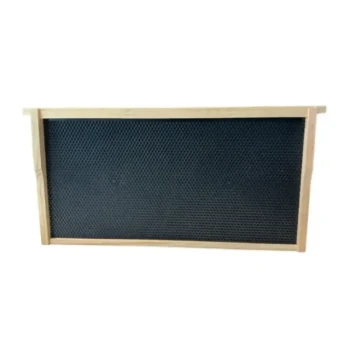
Standardized beehive systems provide a uniform footprint that is essential for mechanized handling. When hive dimensions are consistent, they fit perfectly onto specialized transport platforms and trailers without the need for custom bracing. This modularity allows for the interchangeability of components, ensuring that field management and extraction remain streamlined across thousands of colonies.
Mechanized Loading and High-Speed Transitions
The use of specialized equipment, such as hydraulic loaders and dedicated forklifts, replaces manual lifting, which is the primary bottleneck in large-scale operations. These machines allow for the rapid loading and unloading of hundreds of hives during narrow transit windows. By accelerating the movement process, distributors can help clients reach peak nectar flows exactly when flowering begins, maximizing the foraging window.
Protecting Colony Health and Honey Quality
Mitigation of Transit Stress and Vibration
Specialized transport vehicles are engineered to minimize mechanical vibration and heat stress, two of the leading causes of colony loss during migration. These platforms often feature enhanced suspension and airflow designs that maintain optimal ventilation even when hives are densely packed. By protecting the physical integrity of the brood and the queen, these systems ensure worker bees can begin foraging immediately upon arrival at a new site.
Precision Flowering and Yield Maximization
Mobile beekeeping relies on the ability to track flowering sequences across different altitudes and geographical regions, such as moving from acacia to tropical fruit trees. The combination of standardized hives and fast transport allows beekeepers to "chase the bloom" with surgical precision. This proactive migration strategy significantly increases honey yield and quality by ensuring colonies are always situated in high-density nectar zones.
Commercial Scalability and Supply Chain Reliability
Lowering Per-Unit Maintenance Costs
Implementing a standardized equipment configuration allows for centralized tool management and reduces the complexity of repairs. Because all components are uniform, B2B resellers can offer a full-spectrum product portfolio where every part—from frames to corrosion-resistant machinery—is compatible. This consistency lowers the long-term maintenance burden for commercial apiaries, making the operation more profitable and resilient.
Professionalizing the Honey Production Facility
Standardization helps solve the problem of production fragmentation, allowing small to mid-sized apiaries to adopt industrial-grade standards. For distributors, providing a "one-stop" solution that includes both the hives and the specialized transport gear builds long-term trust and technical authority. This professionalized approach raises the competitive capacity of the entire honey production facility in the global market.
Understanding the Trade-offs and Risks
High Initial Capital Investment
The primary barrier to adopting this integrated system is the significant upfront cost of specialized machinery and high-durability standardized hives. While the long-term ROI is high due to increased yields and lower labor costs, it requires a strategic financial commitment. Distributors must be prepared to explain the amortization of these costs through improved operational efficiency and reduced colony mortality.
Dependency on Mechanical Maintenance
Shifting to a mechanized model creates a dependency on equipment uptime and specialized technical support. If a loader or a specialized trailer fails during a critical migration window, the entire production season can be compromised. It is vital for wholesalers to offer rapid response times and comprehensive after-sales support to ensure their clients' fleets remain operational during peak seasons.
Implementing Integrated Systems for Growth
To successfully transition to a mechanized, standardized beekeeping model, your strategy should align with your specific operational scale and regional nectar availability.
- If your primary focus is maximizing annual honey volume: Invest in a fully standardized Langstroth system paired with hydraulic loaders to enable rapid, multi-state migration that follows the flowering calendar.
- If your primary focus is reducing operational overhead: Focus on modular hive components and centralized tool management to minimize maintenance costs and streamline the extraction process.
- If your primary focus is colony health and premium honey: Prioritize specialized transport platforms with advanced ventilation and vibration dampening to ensure bees arrive at nectar sources in peak condition.
The strategic alignment of standardized hardware and specialized transport is the most effective way to transform beekeeping into a predictable, high-performance commercial enterprise.
Summary Table:
| Key Advantage | Practical Benefit | Commercial Impact |
|---|---|---|
| Modular Interoperability | Uniform hive footprints allow for perfect stacking and bracing. | Lower labor costs and faster deployment. |
| Mechanized Handling | Hydraulic loaders replace manual lifting for rapid transitions. | Higher operational scale and reduced fatigue. |
| Enhanced Ventilation | Specialized platforms minimize heat stress and vibration during transit. | Improved colony survival and immediate foraging. |
| Uniform Maintenance | Standardized components across thousands of colonies. | Streamlined supply chain and easier repairs. |
Scale Your Apiary Business with HONESTBEE Solutions
Partner with HONESTBEE to access a premium one-stop sourcing platform designed specifically for distributors, wholesalers, and large-scale commercial apiaries. We offer a comprehensive, full-spectrum product portfolio—from standardized hive components and specialized hive-making machinery to industrial honey-filling equipment and essential consumables.
Why choose HONESTBEE for your B2B needs?
- Deep Industry Expertise: We provide professional guidance to help you navigate complex industrial-scale requirements.
- OEM/ODM Support: Tailor our high-durability hardware and cultural merchandise to your specific brand needs.
- Supply Chain Reliability: Benefit from our ultra-fast delivery, rapid response times, and exceptional customer service.
- Wholesale Competitive Edge: Secure high profit margins with our efficient order fulfillment and certified quality standards.
Ready to professionalize your honey production facility? Contact us today to explore our wholesale offerings and see how we can drive your business growth.
References
- Polya Yordanova. New Challenges for the Development of Beekeeping in Bulgaria – Trends and Problems. DOI: 10.54664/okhc1840
This article is also based on technical information from HonestBee Knowledge Base .
Related Products
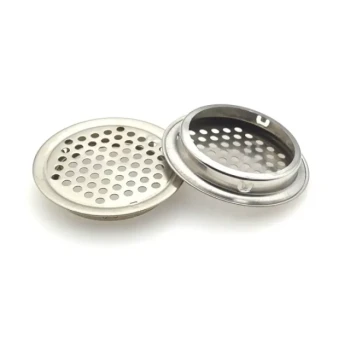
- Stainless Steel Round Beehive Air Vents for Ventilation
- High Security Emlock Strap System
- Modern Flat-Mount Hive Number Set for Beekeeping
- Professional Large-Format Hive Number Set for Beekeeping
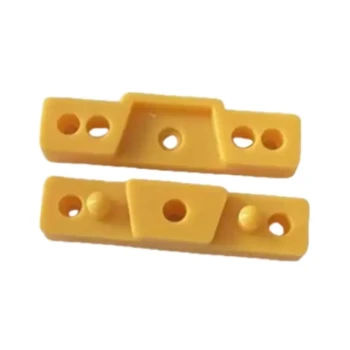
- Durable Plastic Interlocking Hive Connector for Beekeeping
People Also Ask
- How does ventilation affect colony health, and how should it be managed seasonally? A Guide to Preventing Moisture & Overheating
- Why is proper ventilation important in a beehive? Prevent Mold, Regulate Temperature, and Boost Colony Health
- How can a beekeeper provide proper ventilation for a beehive throughout the year? Seasonal Strategies for Bee Health
- Why is good ventilation crucial when transporting beehives? Protect Your Colony from Lethal Overheating
- How can ventilation be added to a beehive without using an inner cover? Simple, Effective Solutions for Healthy Hives