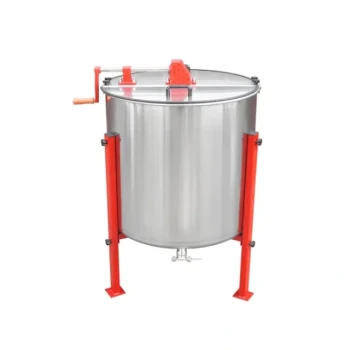
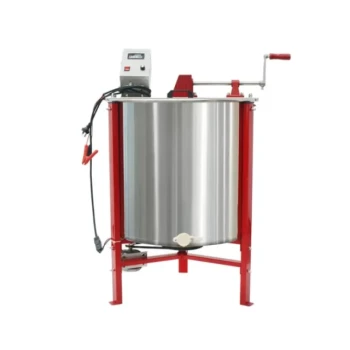
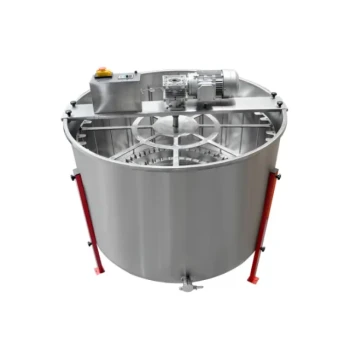
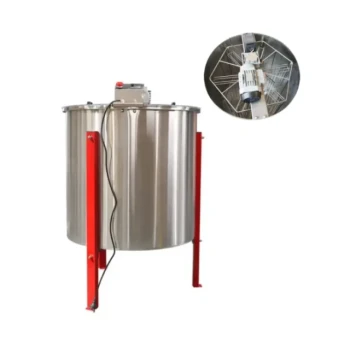
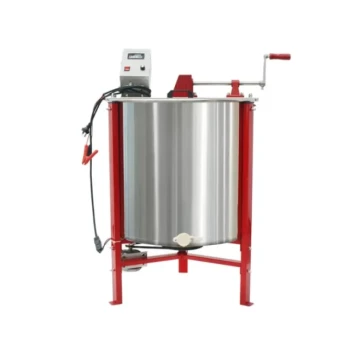
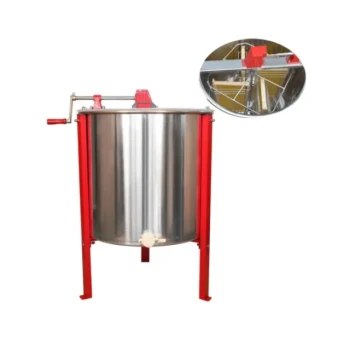
High-performance honey extraction complexes fundamentally transform large-scale apiary operations by maximizing throughput while minimizing operational waste. These systems provide industrial-grade speed for the primary processing of raw materials, allowing operators to process frames from a massive number of colonies in a short period. By automating the workflow, these complexes ensure superior product hygiene, drastically reduce honey loss during centrifugation, and significantly enhance overall enterprise profitability by slashing manual labor costs.
The core value of a high-performance extraction complex is not merely faster harvesting; it is the decoupling of production volume from labor intensity. By automating critical processes, industrial apiaries can achieve consistent hygiene standards and preserve valuable hive assets, ensuring sustainable growth and higher yields per hive over time.
Maximizing Throughput During Peak Seasons
Accelerating Turnover Time
In large-scale operations, timing is critical. Industrial-grade machinery significantly shortens honey turnover time within the apiary.
This speed is essential during peak honey flow periods, ensuring that beekeepers can harvest quickly and return frames to the hives. This capability allows the apiary to capture the maximum possible output from honey source bases, even in areas with high-density bee populations.
Streamlining Production Workflows
Standardized equipment automates critical bottlenecks such as filtering, dehydration, and precise filling.
By integrating these steps into a single high-performance complex, apiaries can process large volumes of honey in a short duration. This efficient handling prevents bottlenecks that typically occur with manual or semi-manual processing methods.
Enhancing Profitability and Asset Preservation
Reducing Labor Dependency
The most direct impact on profitability is the reduction of manual labor costs.
High-performance complexes utilize automation to handle repetitive tasks, minimizing the number of personnel required for harvesting. This improves production efficiency and allows staff to focus on colony management rather than extraction labor.
Protecting the Honeycomb Structure
Modern extraction equipment utilizes centrifugal force to separate honey without destroying the physical structure of the honeycomb.
This acts as a critical asset protection strategy. By preserving the high-value wax combs, the apiary avoids the cost and time associated with replacing destroyed frames.
Increasing Annual Yields
There is a direct biological benefit to preserving the honeycomb structure.
When bees receive intact combs, they do not need to expend energy rebuilding wax. Instead, they can focus their energy on foraging and nectar production, which substantially increases the annual honey yield per hive.
Ensuring Hygiene and Product Consistency
Automating Hygiene Standards
Industrial complexes are designed to meet strict commercial distribution standards.
The automation within these systems minimizes human contact with the product, ensuring high levels of hygiene. This standardization minimizes deviations from Good Beekeeping Practices, protecting the quality of the final product.
Preserving Bioactive Integrity
Beyond basic cleanliness, industrial-grade equipment is engineered to preserve the chemical profile of the honey.
By streamlining the process, the equipment ensures the preservation of honey's natural bioactive components and flavor profiles. This consistency is vital for maintaining brand reputation in large commercial supply chains.
Understanding the Operational Trade-offs
Maintenance and Protocol Adherence
While automation reduces manual extraction labor, it introduces a need for strict maintenance protocols.
To ensure long-term production safety, extracted frames must be processed according to standard protocols. For example, specific care must be taken to prevent residual cells from becoming breeding grounds for pests like wax moths.
Capital Investment vs. Scale
High-performance complexes represent a significant upfront investment in specialized machinery.
This equipment is an essential foundation for scaling, but it requires a sufficient volume of colonies to justify the expense. Smaller operations may not realize the same return on investment regarding labor savings and throughput efficiency.
Making the Right Choice for Your Goal
To select the right extraction complex, align the equipment capabilities with your specific operational targets:
- If your primary focus is Volume and Speed: Prioritize systems with high-efficiency centrifugal capacities to maximize harvest capture during short peak flow windows.
- If your primary focus is Profitability via Efficiency: Look for complexes that offer the highest degree of automation to drastically lower labor costs and ensure comb preservation for higher biological yields.
- If your primary focus is Market Quality: Ensure the equipment specifications emphasize precise filtration and dehydration to maintain bioactive integrity for strict commercial standards.
Investing in high-performance extraction infrastructure is the decisive step that moves an apiary from agricultural management to industrial-scale production efficiency.
Summary Table:
| Key Feature | Operational Benefit | Industrial Impact |
|---|---|---|
| High-Speed Automation | Faster frame turnover during peak flow | Maximized harvest volume |
| Centrifugal Protection | Preserves physical honeycomb structure | Reduced hive rebuilding energy |
| Labor Decoupling | Minimizes repetitive manual tasks | Drastically lower operational costs |
| Precision Processing | Automated filtering and dehydration | Superior hygiene and bioactive integrity |
| Scalable Infrastructure | Streamlined production workflows | Higher annual yields per colony |
Scale Your Production with HONESTBEE Industrial Solutions
Transition from agricultural management to industrial-scale efficiency with HONESTBEE. We specialize in supporting commercial apiaries and distributors with high-performance honey extraction complexes, specialized hive-making machinery, and precision honey-filling systems.
From industrial-grade hardware to essential industry consumables, our comprehensive wholesale offering is designed to maximize your throughput and protect your biological assets.
Contact HONESTBEE today for a custom equipment consultation
References
- G. V. Komlatskiy, T. A. Usenko. BEEKEEPING AS A NECESSARY FACTOR OF APC DEVELOPMENT. DOI: 10.21515/1990-4665-157-005
This article is also based on technical information from HonestBee Knowledge Base .
Related Products
- HONESTBEE 72 Frame Industrial Electric Honey Extractor for Beekeeping
- 32 Frame Commercial Electric Honey Extractor for Beekeeping and Honey Production
- Commercial 48-Frame Stainless Steel Honey Extractor
- Commercial Electric 12 Frame Honey Extractor Spinner Motorized Honey Extractor
- 24 Frame Honey Extractor Commercial Radial Honey Frame Extraction Machine
People Also Ask
- What is the importance of balancing honeycomb frames within a honey extractor? Ensure Stability and Protect Machinery
- How is honey separated from the frames after they are uncapped? Efficient Extraction Methods for High Yields
- What are the main benefits of using a honey extractor? Maximize Yields and Protect Your Honeycomb
- What are the recommended methods for removing honey from the honeycomb? Top Extraction Techniques for Maximum Efficiency
- How do manual honey extractors compare to electric honey extractors? Choosing the Right Tool for Your Apiary Growth