High-density polypropylene (PP) plastic containers are the superior choice for logistical efficiency and durability. They provide excellent chemical stability and mechanical strength, ensuring honey remains protected from external contamination and leaks. Furthermore, their lightweight nature optimizes large-scale transport, significantly reducing carbon emissions while strictly maintaining food safety standards.
Core Takeaway While glass is often chosen for aesthetics, high-density PP plastic is the definitive choice for supply chain resilience and bulk preservation. It balances critical protection against spoilage with a lightweight form factor that reduces shipping costs and environmental impact.
Optimizing Logistics and Safety
Mechanical Strength
The primary advantage of high-density PP is its robust mechanical strength. Unlike glass, which is prone to shattering, PP containers are durable and resilient against impact.
Leak Prevention
High-density PP offers superior sealing capabilities. This stability prevents leaks during handling, ensuring that the product reaches its destination intact without loss of volume.
Reducing Carbon Footprint
Because PP is significantly lighter than glass, it offers a tangible environmental benefit during logistics. Using lightweight PP containers reduces the fuel required for transport, thereby lowering total carbon emissions within the supply chain.
Preserving Honey Quality
Chemical Stability
High-density PP is chemically inert and food-safe. It acts as a reliable barrier against external contaminants, ensuring the honey maintains its chemical integrity from the packing facility to the consumer.
Moisture Control
Properly sealed PP containers act as a physical barrier that reduces hygroscopicity (the absorption of moisture from the air). By keeping water content at or below 21%, these containers prevent fermentation and spoilage, allowing honey to meet international trade standards.
Versatility in Design and Scale
Bulk and Retail Adaptability
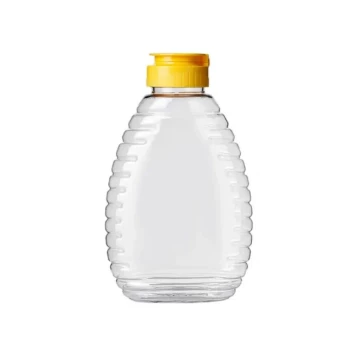
PP is highly versatile, suitable for everything from small retail jars to large-scale pails and jugs. This makes it the standard material for bulk packaging where weight and safety are paramount.
Branding Flexibility
Plastic offers unique opportunities for custom molding that glass cannot easily match. Manufacturers can utilize specific shapes or opaque colors to create distinct branding or improve shelf appeal.
Understanding the Trade-offs
Porosity and Crystallization
While PP is a strong barrier, plastics are generally more porous than glass. Over extended periods, this can allow minute evaporation of the honey's water content, which may accelerate crystallization.
Potential for Leaching
Although high-density PP is food-grade, there is a general industry caution regarding plastics and long-term chemical leaching. While modern high-density PP minimizes this, it remains a consideration for brands marketing ultra-premium, unaltered purity.
Making the Right Choice for Your Goal
To select the best packaging, you must align the material properties with your specific operational focus:
- If your primary focus is logistics and export: Choose high-density PP to eliminate breakage losses and minimize shipping weight, ensuring the most cost-effective transport.
- If your primary focus is bulk storage: Utilize PP pails or jugs to prevent fermentation and spoilage through effective moisture control while maintaining easy handling.
- If your primary focus is retail safety: Select PP containers to provide a shatter-proof experience that is safe for family environments and shipping directly to consumers.
High-density polypropylene offers the most practical balance of safety, cost-efficiency, and durability for the modern honey supply chain.
Summary Table:
| Feature | High-Density PP Plastic Benefits | Impact on Honey Quality |
|---|---|---|
| Durability | Shatter-proof & high mechanical strength | Prevents product loss & contamination |
| Weight | Lightweight compared to glass | Reduces shipping costs & carbon footprint |
| Sealing | Superior leak prevention | Maintains moisture levels below 21% |
| Safety | Chemically inert & Food-grade | Protects chemical integrity & purity |
| Versatility | Suitable for bulk pails or retail jars | Adaptable to various supply chain needs |
Scale Your Honey Production with HONESTBEE Professional Packaging Solutions
Are you looking to optimize your logistics and ensure the highest safety standards for your honey? HONESTBEE is your strategic partner, catering specifically to commercial apiaries and global distributors.
We provide a comprehensive wholesale offering that includes everything from high-durability PP pails and jars to specialized honey-filling machines and hive-making equipment. Our solutions are designed to reduce your shipping costs while protecting the purity of your harvest.
Maximize your supply chain efficiency today—Contact our experts for a custom quote!
References
- Jani Sillman, Helena Kahiluoto. Contribution of honeybees towards the net environmental benefits of food. DOI: 10.1016/j.scitotenv.2020.143880
This article is also based on technical information from HonestBee Knowledge Base .
Related Products
- Food Grade Plastic Honey Bucket Pail for Beekeeping
- Squeezable No-Drip Beehive-Shaped Honey Jars with Flip-Top Cap
- Hexagonal Glass Honey Jars with Metal Lug Caps Elegant Versatile Packaging
- Classic Beehive Honey Bottle Jar with Squeeze Dispenser Lid
- Modern Square Glass Honey Jar with Twist Off Lid
People Also Ask
- What key operational precautions should be taken when using honey buckets and extractors fitted with bottom drain taps?
- What functions do food-grade honey buckets perform? Safeguard Your Harvest and Optimize Apiary Logistics
- Why are food-grade plastic buckets preferred for honey? Protect Quality with Modern Honey Collection Tools
- What is the significance of food-grade plastic honey collection buckets? Boost Quality in Forest Honey Logistics
- What is a honey pail? The Essential Container for Protecting Your Honey's Value