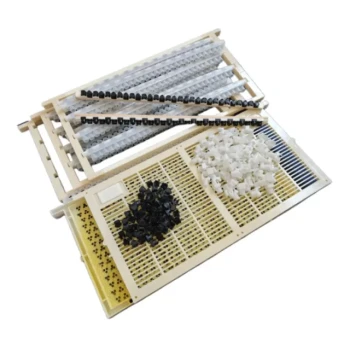
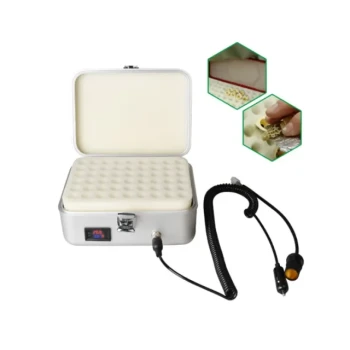
Larva-free queen rearing technology maximizes Royal Jelly quality by ensuring synchronized secretion and eliminating the physical trauma of manual grafting. This advanced method allows for precise control over the queen’s egg-laying schedule, resulting in highly standardized 48-hour and 72-hour samples. For B2B partners, this translates to a consistent supply of high-purity raw materials that meet the rigorous requirements of pharmacological research and premium health markets.
This technology represents a shift from artisanal harvesting to scientific production, offering distributors a reliable way to source Royal Jelly that is consistent in bio-active composition and free from the variability of traditional methods.
Achieving Unmatched Sample Consistency
Synchronized Larval Development
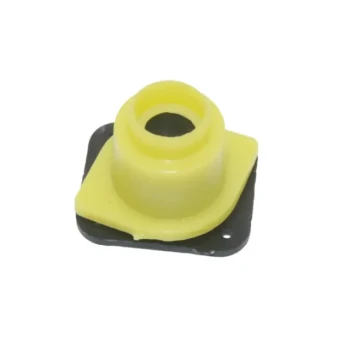
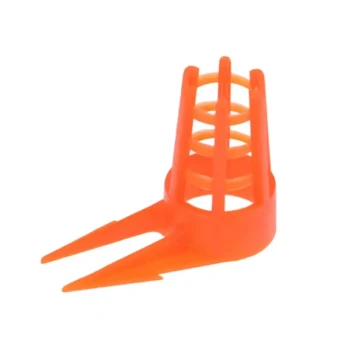
Traditional methods rely on manual grafting, which often results in larvae of slightly different ages within the same batch. Larva-free technology ensures that the queen lays eggs directly into specialized cell cups at a controlled time, meaning every larva begins its development simultaneously.
Precise Secretion Windows
Because all larvae are the exact same age, the worker bees begin secreting Royal Jelly for the entire batch at once. This precision allows for the harvesting of 48-hour or 72-hour samples with extreme accuracy, ensuring the chemical profile of the jelly remains uniform across the entire shipment.
Pharmaceutical-Grade Purity
Standardization is the primary requirement for comparative pharmacological studies. By removing human error and age variance, this technology provides the high-purity raw materials necessary for clinical-grade applications and high-end supplement manufacturing.
Enhancing Production Efficiency and Yield
Increased Acceptance Rates
In traditional grafting, larvae can be easily damaged or stressed, leading to rejection by the nurse bees. Integrated, grafting-free systems significantly increase the acceptance rate, ensuring that a higher percentage of queen cells are successfully filled with Royal Jelly.
Significant Yield Improvements
Research indicates that these integrated systems can increase the Royal Jelly yield per queen cell by approximately 26.8 percent compared to standard plastic cells. For wholesalers, this means more efficient production cycles and more reliable volume fulfillment during peak seasons.
Reduction in Labor Intensity
Manual grafting is a labor-intensive process that requires high levels of dexterity and time. Moving to a larva-free system streamlines the operation, allowing producers to scale up collection without a proportional increase in skilled labor costs.
Quality Assurance through Biological Integrity
Elimination of Mechanical Damage
Traditional grafting needles, even when used by experts, can cause microscopic injuries to delicate one-day-old larvae. Larva-free technology removes this risk entirely, preserving the biological activity of the colony and ensuring the larvae remain healthy throughout the secretion process.
Optimized Nutritional Environment
Integrated systems often allow for a more natural simulation of the queen-rearing environment. This induces worker bees to secrete larger volumes of jelly, as the biological triggers within the hive are more effectively activated compared to manual intervention methods.
Enhanced Disease Resistance
By minimizing the time larvae spend outside the controlled environment of the hive, the risk of dehydration and infection is lowered. This results in a healthier hive population, which is essential for maintaining a stable, long-term supply chain for international distributors.
Understanding the Trade-offs
Initial Equipment Investment
Implementing larva-free technology requires a higher upfront investment in specialized queen-rearing kits and integrated cell systems. While these costs are offset by higher yields, they represent a barrier to entry for smaller-scale apiaries.
Technical Expertise Requirements
While the system reduces manual labor, it requires a deep professional understanding of bee biology and colony management. Success depends on the operator’s ability to precisely time the queen’s movement and manage the hive's nutritional needs.
Maintenance of Specialized Components
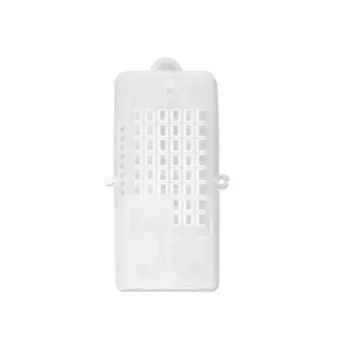
The specialized plastic cell cups and cages used in these systems must be meticulously cleaned and maintained to ensure continued acceptance by the bees. Any residue or damage to these components can quickly negate the efficiency gains of the technology.
How to Apply This to Your Sourcing Strategy
Making the Right Choice for Your Goal
- If your primary focus is Pharmaceutical or Lab Supply: Prioritize suppliers using larva-free technology to guarantee the 10-HDA consistency and purity required for research-grade samples.
- If your primary focus is High-Volume Wholesale: Look for partners utilizing integrated systems to benefit from the 26.8% yield increase and more stable order fulfillment timelines.
- If your primary focus is Premium Retail Branding: Emphasize the "grafting-free" aspect in your marketing to highlight the superior biological integrity and "damage-free" nature of the product.
Adopting larva-free technology is the definitive path for distributors to secure a high-quality, scientifically standardized Royal Jelly supply in a competitive global market.
Summary Table:
| Key Advantage | Technical Detail | B2B / Wholesale Benefit |
|---|---|---|
| Unmatched Consistency | Synchronized 48h/72h secretion | Reliable 10-HDA levels for pharma labs |
| Higher Production Yield | ~26.8% increase per queen cell | Improved order fulfillment during peak seasons |
| Pharmaceutical Purity | Zero manual grafting or trauma | High-end market positioning & certification ease |
| Reduced Labor Costs | Automated, grafting-free system | Lower operational overhead & easier scalability |
| Biological Integrity | No mechanical injury to larvae | Superior bioactive profile & healthier colonies |
Scale Your Royal Jelly Supply with HONESTBEE
Are you looking to source high-purity Royal Jelly or the advanced machinery to produce it? HONESTBEE is your premier B2B partner, offering a one-stop sourcing solution for commercial apiaries and global distributors. From specialized larva-free queen rearing kits to honey-filling machines and essential consumables, we provide the tools you need to maximize profit margins and ensure supply reliability.
Why Partner with HONESTBEE?
- Comprehensive Portfolio: Full spectrum of beekeeping tools, machinery, and cultural merchandise.
- Efficiency-Driven: Ultra-fast delivery and rapid response times to keep your supply chain moving.
- Expert Support: Deep professional expertise with dedicated OEM/ODM services for wholesalers.
Ready to upgrade your inventory with premium beekeeping technology? Contact our expert team today to request a catalog or a custom quote!
References
- Sheng Li, Zhi-Yong Liu. Hepatoprotective Effect of Royal Jellies with Different Harvesting Time. DOI: 10.17957/ijab/15.1182
This article is also based on technical information from HonestBee Knowledge Base .
Related Products
- Retractable Chinese Queen Rearing Grafting Tools Equipment
- Stainless Steel Beekeeping Queen Grafting Tool for Honey Bee Rearing
- Plastic Chinese Queen Grafting Tool for Bee Queen Rearing
- Plastic Beekeeping Honey Bee Larvae Grafting Tools for Queen Rearing and Chinese Grafting
- Stainless Steel Queen Grafting Tool for Beekeeping and Bee Queen Grafting
People Also Ask
- Which specialized tools are necessary for implementing standardized queen rearing? Scale Your High-Yield Apiary
- How does selective queen rearing benefit an apiary? Discover Essential Tools for High-Quality Queen Bees
- Why are specialized queen rearing tools necessary to mitigate winter hive losses? Boost Apiary Survival and Recovery
- What operational workflows and queen rearing tools are required for implementing instrumental insemination and isolated mating in commercial queen breeding programs?
- How do queen-rearing tools facilitate the sustainability and expansion of a commercial apiary? Drive Scalable Growth