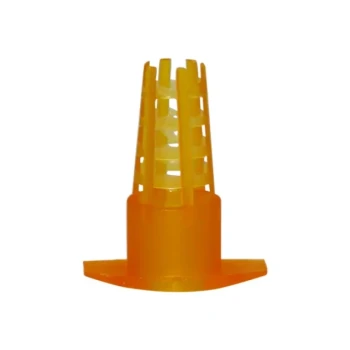
Polymer plastic queen cell cups offer distinct advantages over natural wax by providing standardized dimensions, superior durability, and chemical stability. These features make them particularly suited for scenarios requiring high consistency, such as mass production or scientific research involving royal jelly extraction.
The Core Takeaway While natural wax closely mimics the hive environment, polymer plastic cups provide the mechanical strength and geometric precision necessary for efficient, reproducible, and contaminant-free royal jelly collection.
Standardization and Consistency
Precise Geometric Specifications
Plastic cups are manufactured to possess highly standardized diameters and depths. Unlike handmade wax cups which vary in shape, plastic ensures that every larva is housed in an identical space.
Scientific Reproducibility
This geometric consistency is critical for scientific experiments. By eliminating the variable of cup shape, researchers can ensure that data regarding royal jelly production is standardized and reproducible.
Durability and Extraction Efficiency
Resistance to Deformation
A major advantage of polymer plastic is its high physical strength. Natural wax is fragile and prone to breaking or warping, whereas plastic maintains its structure under stress.
Withstanding Extraction Tools
In the context of royal jelly collection, technicians often use micro-tools to extract the jelly. Plastic cups do not deform or break under the pressure of these tools, streamlining the extraction process.
Ease of Sanitation and Reuse
Plastic cups are significantly more durable than wax, allowing them to be sanitized and reused multiple times. This durability simplifies the process and reduces the need to constantly manufacture new cups.
Purity and Chemical Stability
Preventing Contamination
As industrial-grade consumables, polymer cups possess excellent chemical stability. This ensures that the royal jelly is not contaminated by impurities that might be present in variable wax sources.
Protection During Grafting
The rigid structure of the plastic cup offers better protection for the larvae against mechanical damage during the grafting process. This stability helps maintain consistent survival rates.
Understanding the Trade-offs
The "Natural" Factor
While plastic offers industrial efficiency, it lacks the biological familiarity of beeswax. Natural wax cups mimic the nesting environment more closely, which can lead to higher initial acceptance rates by worker bees.
Impact on Queen Quality
If the goal shifts from jelly collection to rearing virgin queens, natural wax may be superior. Research suggests that wax cups can yield queens with better morphological characteristics compared to those reared in plastic.
Making the Right Choice for Your Goal
To select the best material for your operation, consider your primary objective:
- If your primary focus is Royal Jelly Collection: Choose polymer plastic cups for their durability during extraction, chemical stability, and geometric consistency.
- If your primary focus is Queen Rearing: Consider natural wax cups to maximize larval acceptance rates and optimize the biological quality of the virgin queens.
By leveraging the durability of plastic, you ensure a standardized process that protects the purity of the yield.
Summary Table:
| Feature | Polymer Plastic Cups | Natural Wax Cups |
|---|---|---|
| Consistency | Highly standardized dimensions | Variable handmade shapes |
| Durability | High; resists deformation | Fragile; prone to breaking |
| Reuse | Easy to sanitize and reuse | Generally single-use |
| Extraction | Withstands micro-tools easily | Risk of wax contamination |
| Primary Use | Commercial royal jelly production | Specialized queen rearing |
Maximize Your Apiary's Productivity with HONESTBEE
At HONESTBEE, we understand that commercial success in beekeeping requires professional-grade reliability. Whether you are a large-scale commercial apiary or a distributor, we provide a comprehensive wholesale portfolio tailored to your needs. From high-precision beekeeping tools and machinery to essential industry consumables and specialized honey-filling equipment, our products are designed to ensure purity and efficiency in every harvest.
Ready to scale your operation? Contact us today to learn how our premium equipment and expert solutions can optimize your royal jelly collection and hive management.
References
- Khalid Ali Khan, Hamed A. Ghramh. Evaluation of queen cell acceptance and royal jelly production between hygienic and non-hygienic honey bee (Apis mellifera) colonies. DOI: 10.1371/journal.pone.0266145
This article is also based on technical information from HonestBee Knowledge Base .
Related Products
- Clear Black Plain Polystyrene Queen Bee Grafting Cell Cups No Lug for Bee Queen Cup
- JZBZ Type Wide Base Plastic Queen Cell Cups for Base Mounting and Queen Rearing
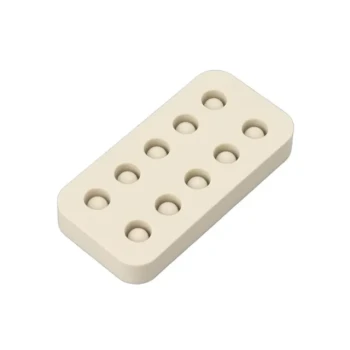
- 10-Cell Silicone Beeswax Bee Queen Cups Forming Mold
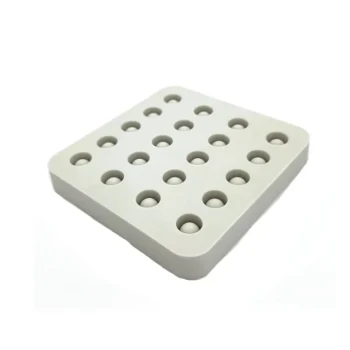
- High-Efficiency 20-Cell Silicone Mold for Beeswax Bee Queen Cup Production
- Brown Nicot Queen Cell Cups for Breeding Queen Bees Beekeeping
People Also Ask
- What materials are used to make artificial queen cell cups for grafting? Beeswax vs. Plastic Guide
- What role do specialized queen rearing tools play in developing mite-resistant honeybee stock? Master Genetic Selection
- What roles do specialized queen cell cups play in royal jelly production? Optimize Your Hive's Secretion and Yield
- What types of cell cups are commonly used in grafting? Plastic vs. Wax for Queen Rearing Success
- Why is a diluted royal jelly solution applied to queen cell cups? Boost Acceptance in Artificial Grafting