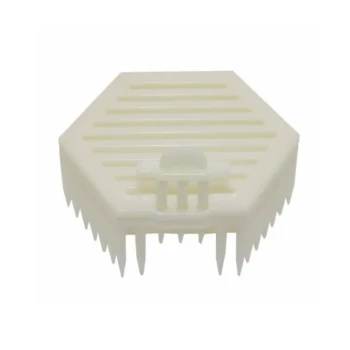
Polypropylene (PP) is the superior material choice for constructing bee bioassay cages because it combines exceptional chemical resistance with optical clarity and economic efficiency. It specifically withstands corrosion from harsh solvents like acetone used in acaricide research, while simultaneously allowing researchers to monitor bee mortality and behavior without disrupting the enclosed environment.
Core Takeaway: Polypropylene resolves the tension between durability and observability in toxicological research. It provides a chemically inert environment that resists solvent degradation while remaining transparent enough for accurate, non-invasive data collection.
Chemical Stability and Durability
Resistance to Solvents
The primary advantage of polypropylene is its excellent chemical stability. In bioassay experiments, researchers frequently use strong solvents, such as acetone, to dilute acaricides (mite-killing pesticides).
Preventing Structural Degradation
Unlike weaker polymers, PP resists corrosion when exposed to these solvents. This durability ensures the cage maintains its structural integrity throughout the experiment, preventing leaks or environmental contamination that could invalidate results.
Observational Clarity
Non-Invasive Monitoring
Polypropylene can be manufactured to be translucent or transparent. This optical property is critical for biological observation.
Minimizing Experimental Disturbance
Researchers must frequently check bee activity and mortality rates. Using clear PP allows for direct observation from the outside, eliminating the need to open the cage. This prevents stress to the bees and ensures the internal atmosphere remains stable.
Scalability and Cost
Economic Feasibility
Polypropylene is a low-cost material. This makes it ideal for manufacturing cage components on a mass scale.
Enabling Large-Scale Screening
Because the material is inexpensive, researchers can produce a high volume of cages. This is essential for large-scale screening projects where hundreds or thousands of replicates are required to generate statistically significant data.
Simulation of Real-World Conditions
Standardized Testing Environment
While PP provides the structural shell, it supports the use of specific plastic strips for standardized chemical attachment.
Accurate Volatilization
By utilizing the stable environment of a PP cage, researchers can apply quantified drug solutions to internal strips. This setup ensures uniform volatilization and contact, accurately simulating the strip-based medication methods used in commercial beehives.
Understanding the Trade-offs
Material vs. Delivery Mechanism
It is important to distinguish between the cage material and the drug delivery method. While PP offers a stable enclosure, the cage walls themselves are not typically used as the primary surface for chemical application.
The Necessity of Internal Components
To achieve the accurate assessment mentioned in the supplementary data, the PP cage must be paired with specific internal plastic strips. Relying solely on the cage walls for drug application could lead to uneven volatilization. Therefore, the "advantage" of PP is best realized when part of a system that includes these standardized internal delivery strips.
Making the Right Choice for Your Research
To maximize the effectiveness of your bioassay designs, select materials based on your specific experimental variables.
- If your primary focus is toxicological accuracy: Rely on PP for its inertness to ensure that solvents like acetone do not degrade the cage and alter the chemical concentration.
- If your primary focus is behavioral data: Prioritize high-transparency PP grades to ensure you can detect subtle changes in bee activity without physical interference.
- If your primary focus is high-volume screening: Leverage the low cost of PP to increase your sample size and statistical power without inflating your budget.
By selecting polypropylene, you ensure your equipment is robust enough to handle chemical exposure yet clear enough to yield precise biological insights.
Summary Table:
| Feature | Advantage for Bioassay Research |
|---|---|
| Chemical Stability | Resists harsh solvents like acetone used in acaricide testing. |
| Optical Clarity | Enables non-invasive monitoring of bee behavior and mortality. |
| Cost-Efficiency | Low material cost allows for high-volume, statistically significant screening. |
| Structural Integrity | Prevents leaks and contamination by maintaining shape under chemical exposure. |
| Versatility | Supports standardized internal drug delivery systems for accurate simulation. |
Elevate Your Beekeeping Operations with HONESTBEE
At HONESTBEE, we specialize in empowering commercial apiaries and distributors with high-performance solutions. Whether you are conducting rigorous research or managing large-scale honey production, our comprehensive wholesale portfolio has you covered.
Our Value to You:
- Full Spectrum Supply: From specialized hive-making and honey-filling machinery to essential industry consumables.
- Durable Equipment: High-quality beekeeping tools and hardware designed to withstand professional use.
- Wholesale Advantage: Competitive pricing and bulk availability for global distributors.
- Cultural Merchandise: Unique honey-themed products to expand your market reach.
Ready to scale your business with the industry's most reliable equipment? Contact us today to discuss your specific needs and let HONESTBEE be your partner in beekeeping excellence.
References
- Rassol Bahreini, Olivia de Herdt. New bioassay cage methodology for in vitro studies on Varroa destructor and Apis mellifera. DOI: 10.1371/journal.pone.0250594
This article is also based on technical information from HonestBee Knowledge Base .
Related Products
- Professional Bamboo Queen Isolation Cage
- Professional Queen Bee Introduction and Transport Cage
- Hexagonal Direct Comb Introduction Queen Bee Cage
- Durable Galvanized Steel Spring Queen Bee Cage
- Professional Multi-Functional Queen Bee Cage
People Also Ask
- Why are specialized queen bee cages used for the banking of mated queen bees? Maximize Commercial Apiary Storage Efficiency
- What is the mechanism of action for using temporary queen bee cages? Master Successful Queen Introduction
- How does the side ventilation design of a queen bee cage impact the safety of the queen during long-distance transport?
- What should you do if the queen is still in the cage and the worker bees have not accepted her? Protect Your Colony from Queen Rejection
- What technical precaution must be taken regarding the mesh or grill side of a queen bee cage? Ensure Queen Survival