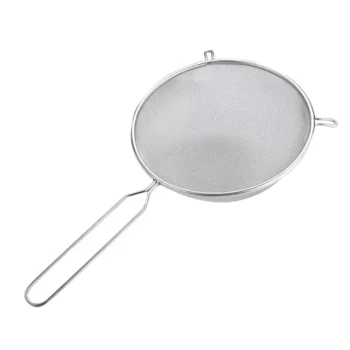
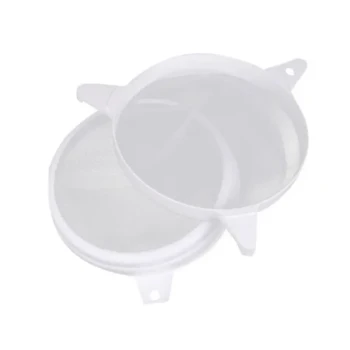
Professional honey processing equipment provides a decisive advantage over manual extraction by achieving a critical balance: rigorous purification without biological degradation. Unlike manual squeezing or pressing, these systems efficiently remove physical impurities and control moisture levels while preserving the delicate enzymes and antioxidants that define premium natural honey.
Core Insight: The transition to professional equipment is not merely about speed; it is about standardized quality control. These systems allow producers to scale operations and meet strict international food safety standards while maintaining the specific bio-active properties required for high-value organic certification.
Preserving Bio-Active Integrity
Protecting Physiological Components
The primary advantage of professional processing is the preservation of the honey's "living" elements. Manual heating or straining can often be inconsistent, risking thermal damage.
Professional equipment utilizes controlled environments to maintain the honey's physiological active components. This ensures that heat-sensitive enzymes and antioxidants remain intact, satisfying the criteria for natural honey classification.
Consistent Moisture Control
Manual extraction leaves moisture content largely to chance, increasing the risk of fermentation. Professional systems often include mechanisms to strictly control moisture levels.
By keeping moisture within specific parameters, the equipment prevents yeast growth and spoilage. This capability is essential for ensuring the long-term stability and bio-activity of the final product.
Operational Efficiency and Yield
Non-Destructive Extraction
Traditional manual methods often involve crushing or squeezing the honeycomb, which destroys the structure. Professional centrifugal extractors spin the honey out while leaving the comb intact.
This preservation allows apiaries to reuse the empty honeycombs immediately. Because bees do not need to rebuild the wax, the production cycle efficiency of the apiary improves significantly.
Speed and Labor Reduction
Industrial-grade equipment automates the most labor-intensive parts of the harvest. By utilizing mechanical centrifugal principles, producers can process large volumes in a fraction of the time required for manual draining.
This reduction in processing time directly lowers labor costs. It also minimizes the time honey is exposed to the open air, preserving its physical properties and flavor profile.
Hygiene and Market Standards
Superior Contamination Control
Manual handling increases the risk of introducing environmental contaminants. Professional machinery is typically constructed from food-grade stainless steel, creating a closed or semi-closed loop.
This construction minimizes oxidation risks and metal contamination. It also ensures the removal of specific debris, such as larval remains and beeswax residue, which are common in manual pressing.
Standardization for Commerce
To compete in global markets, honey must meet precise sensory and physicochemical properties. Professional filtration utilizes specialized mesh with precise pore sizes.
This technology removes fine dust and particles that cause cloudiness, resulting in superior clarity and consistency across batches. This standardization is the technical foundation required for large-scale export strategies and high-level quality certifications.
Understanding the Trade-offs
The Balance of Filtration and Identity
While professional equipment excels at clarity, operators must manage the level of filtration carefully. High-efficiency filtration removes impurities, but aggressive processing can potentially remove pollen particles.
While removing pollen enhances clarity and inhibits crystallization (as noted in industrial processing), some niche markets prefer "raw" honey with high pollen counts. The equipment must be configured to match the specific market definition of "purity" you are targeting.
Complexity and Maintenance
Transitioning from manual to mechanical systems introduces a requirement for technical maintenance. The benefits of food-grade stainless steel are only realized if the equipment is rigorously cleaned and sanitized.
Unlike simple manual tools, these systems require strict adherence to operational protocols to prevent cross-contamination between batches.
Making the Right Choice for Your Goal
Whether you are upgrading a small apiary or designing a commercial facility, the equipment should align with your end-product goals.
- If your primary focus is Commercial Export: Prioritize systems with multi-stage filtration and moisture control to ensure shelf stability and compliance with international trade standards.
- If your primary focus is Organic Certification: Select stainless steel centrifugal extractors that emphasize the preservation of enzymes and reuse of honeycombs to meet strict organic production cycles.
- If your primary focus is Operational Scale: Invest in high-capacity automated extraction lines to minimize labor costs and maximize the reuse of honeycombs for faster production turnovers.
Professional processing is the bridge that turns a raw agricultural product into a stable, safe, and commercially viable commodity without sacrificing its natural essence.
Summary Table:
| Feature | Manual Extraction | Professional Equipment | Benefit of Professionalism |
|---|---|---|---|
| Enzyme Preservation | Risk of thermal damage | Controlled environments | Higher bio-active value |
| Comb Integrity | Often crushed/destroyed | Centrifugal preservation | Combs are reusable; faster production |
| Hygiene & Safety | Higher contamination risk | Food-grade stainless steel | Meets international export standards |
| Consistency | Batch-to-batch variation | Standardized filtration | Uniform clarity and moisture levels |
| Labor Efficiency | High manual labor | Automated processing | Significantly lower operational costs |
Elevate Your Honey Production with HONESTBEE
Transitioning from manual methods to industrial-grade processing is the key to scaling your apiary and accessing premium markets. HONESTBEE provides the expertise and equipment necessary to ensure your honey meets the highest global standards while maximizing your operational yield.
How we support commercial apiaries and distributors:
- Comprehensive Wholesale Catalog: From honey-filling and hive-making machines to essential beekeeping consumables.
- Quality Engineering: Durable, food-grade equipment designed to preserve the delicate bio-active integrity of your honey.
- Scalable Solutions: We cater to large-scale distributors and specialized commercial operations with tailored machinery.
Ready to modernize your honey production and increase your profitability? Contact HONESTBEE today for a consultation and discover how our equipment can transform your harvest.
References
- Csaba Bálint Illés, László Mucha. Honey production competitiveness between the Visegrad countries analysis based on the relative comparative advantages indices. DOI: 10.21003/ea.v189-06
This article is also based on technical information from HonestBee Knowledge Base .
Related Products
- Electric Double Wall Honey Filtering Machine Purifier Equipment for Honey Processing Plant
- 0.5T Capacity Honey Dehumidifier Dryer with Vacuum Heating and Thickening Filtering Machine
- Honey Concentrating and Filtering Dehumidifier Machine 2T Capacity for Honey
- Professional Honey Filter with Tripod Support Stand
- Professional Stainless Steel Honey Filtering Machine with Water Bath Heating for Beekeeping
People Also Ask
- What is the process of filtering honey? A Guide to Clean, Pure, and Market-Ready Honey
- What types of equipment are used in honey filtering? Build an Efficient System for Pure, Marketable Honey
- What is the overall importance of using the right equipment in honey filtering? Boost Quality & Marketability
- What role do professional honey harvesting and filtering equipment play in meeting honey market quality standards? Boost ROI
- What is a potential concern associated with filtering honey? Balancing Clarity and Pollen Preservation