Ten-frame wooden beehives equipped with hygienic bottom boards offer a superior balance of environmental stability and non-invasive diagnostic capability. This specific configuration provides the thermal insulation and structural consistency required for natural colony development, while simultaneously allowing for precise health monitoring without disrupting the hive's internal ecosystem.
By combining the spatial standardization of ten-frame boxes with the debris management of hygienic bottom boards, you create a controlled environment where colony strength can be assessed accurately. This setup minimizes variables caused by equipment differences and reduces the stress of inspection, ensuring that data reflects the true biological state of the colony.
The Role of Structural Standardization
Thermal and Environmental Stability
Wooden hives provide natural thermal insulation that aligns with the biological requirements of honeybees. This structural environment mimics natural nesting conditions, reducing the metabolic stress on the colony as they regulate hive temperature. By stabilizing the internal climate, you ensure that observed fluctuations in colony strength are due to biological factors rather than environmental stress caused by the housing itself.
Consistent Spatial Metrics
The ten-frame standard creates a uniform physical measurement for colony volume. When every hive offers the exact same spatial capacity, frame occupancy becomes a reliable metric for assessing biomass. This consistency eliminates the variable of available space, ensuring that a "full hive" means the same thing across your entire apiary.
Accurate Biomass Estimation
Because the ten-frame volume is standardized, technicians can use frame occupancy as a direct proxy for colony mass. A single standard frame fully covered by bees represents approximately 200 grams of biomass or roughly 2,000 adult bees. This allows for rapid, quantitative calculations of adult and larval populations without the need for destructive sampling or weighing.
The Diagnostic Advantage of Hygienic Bottom Boards
Non-Invasive Parasite Monitoring
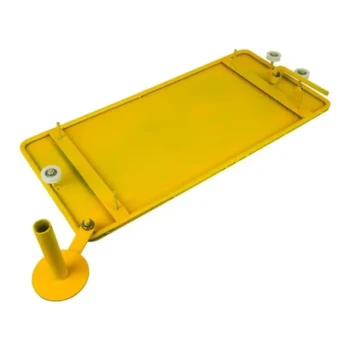
The integration of a hygienic bottom board is critical for monitoring parasitic loads, particularly Varroa mites. These boards allow mites and debris to fall through a screen onto a removable tray/insert. This enables you to quantify infestation levels accurately without opening the brood chamber, preserving the colony's integrity during the assessment.
Minimizing Inspection Stress
Frequent inspections can stress a colony and alter its behavior, potentially skewing "strength" assessments. Hygienic bottom boards facilitate the removal of hive debris and the collection of health data with minimal interference. This ensures that the parameters you are measuring—such as population growth or resource accumulation—are not negatively impacted by the measurement process itself.
Understanding the Trade-offs
Weight and Maneuverability
While wooden ten-frame hives offer excellent stability and standardization, they are significantly heavier than eight-frame or polystyrene alternatives. This can make physical manipulation of the hive bodies more difficult for the beekeeper, potentially slowing down operations that require lifting deep boxes.
Maintenance Requirements
Wooden components are susceptible to environmental degradation over time. Unlike synthetic materials, they require regular maintenance (such as painting or sealing) to prevent rot and warping. If the equipment degrades, it may compromise the "standardized" internal volume or thermal properties relied upon for accurate assessment.
Estimation vs. Precision
While frame occupancy is a strong indicator, it remains an estimation technique. Visual assessments of "full frames" can still be subject to human error compared to precise weighing or computer-aided image processing. However, using the standardized ten-frame box significantly reduces the margin of error in these visual estimates compared to non-standard equipment.
Making the Right Choice for Your Goal
To maximize the value of this equipment configuration, align your usage with your specific objectives:
- If your primary focus is Scientific Accuracy: Rely on the hygienic bottom board to separate environmental variables from parasitic pressures, ensuring changes in colony strength are attributed to the correct cause.
- If your primary focus is Production Management: Use the standardized ten-frame metrics to rapidly calculate bee mass (2,000 bees per frame) to make immediate decisions regarding feeding or splitting.
Ultimately, this configuration transforms the hive from a simple shelter into a standardized scientific instrument, enabling data-driven decisions while prioritizing colony health.
Summary Table:
| Feature | Benefit for Colony Assessment |
|---|---|
| Standard Ten-Frame Volume | Provides uniform metrics; 1 frame $\approx$ 2,000 bees for easy biomass estimation. |
| Wooden Construction | Natural thermal insulation reduces metabolic stress and environmental variables. |
| Hygienic Bottom Board | Enables non-invasive Varroa mite monitoring and debris analysis without opening the hive. |
| Structural Consistency | Minimizes equipment variables, ensuring data reflects true biological colony health. |
Scale Your Apiary Operations with HONESTBEE
Maximize your colony productivity and monitoring accuracy with premium equipment designed for professional beekeepers. HONESTBEE specializes in serving commercial apiaries and distributors with a robust wholesale catalog.
From standardized ten-frame wooden hives and hygienic bottom boards to advanced honey-filling machines and specialized hardware, we provide the full spectrum of tools you need to succeed. Our portfolio also includes essential industry consumables and honey-themed cultural merchandise to help you grow your brand.
Ready to upgrade your equipment or stock your distribution center?
Contact HONESTBEE Today to discuss our wholesale offerings and how we can support your business growth.
References
- Łukasz Nicewicz, Mirosław Nakonieczny. Vitellogenins Level as a Biomarker of the Honeybee Colony Strength in Urban and Rural Conditions. DOI: 10.3390/insects16010025
This article is also based on technical information from HonestBee Knowledge Base .
Related Products
- Solid Bottom Board Australian Pine Wood Langstroth Bottom Board for Wholesale
- Langstroth Solid Bottom Board for Beekeeping
- Wooden Bee Hive Frames for Beekeeping and Wholesale
- Assembled Wooden Bee Frames with Plastic Foundation for Durability and Convenience by HONESTBEE
- Wholesales Dadant Size Wooden Bee Hives for Beekeeping
People Also Ask
- In what conditions is a solid bottom board preferred over a screened bottom board? Maximize Hive Heat and Treatment
- What are the characteristics of a solid bottom board? A Guide to Hive Foundation & Climate Control
- What is the primary function of a solid bottom board on a beehive? Key Benefits for Hive Stability and Insulation
- What is the primary function of a solid bottom board? Essential Thermal Insulation for Cold Climate Beekeeping
- How is the wood of the solid bottom board treated to enhance its durability? Discover the 100% Beeswax Dipping Secret